

Why AI Use Cases Matter More Than Theory
Artificial Intelligence grew out of interest and experimentation. In 2026, the actual conversation isn’t always about what AI is, but how AI is used to deliver measurable enterprise cost.
Organizations that focus on clear AI use cases outperform competition that undertake Artificial Intelligence without a approach.
AI’s Shift From Experimentation to Execution
.png)
Early Artificial Intelligence adoption target on pilot and proof of concept. Today, businesses are scaling Artificial Intelligence throughout core workflows.
Key drivers of this shift:
- Mature cloud Artificial Intelligence platforms
- Better data availability
- Lower deployment costs
- Stronger governance frameworks
This evolution marks a turning point for Artificial Intelligence-led transformation.
Artificial Intelligencein customer experience optimization
Customer experience is one of the highly growing Artificial Intelligence use cases.
How companies use Artificial Intelligence:
- Intelligent chatbots for everyday support
- sentiment analysis of feedback from customers
- Personal product recommendations
Artificial Intelligence enables faster responses, higher satisfaction and lower support costs.
AI for Predictive Business Intelligence
Traditional analytics explain the past. Artificial Intelligence predict the future.
Key Capabilities:
- Revenue forecasting
- Market trend prediction
- Demand planning
By the usage of Artificial Intelligence-powered insights, leaders make proactive, facts-pushed choices.
AI-powered sales forecasting
Sales teams use artificial intelligence to:
- predict deal closing
- Identify high value leads
- Optimize pricing strategies
This results in improved accuracy and shorter sales cycles.
AI in Operations and Process Automation
Operational efficiency is a major reason companies invest in Artificial Intelligence.
Applications:
- Workflow automation
- Quality control using computer vision
- Predictive maintenance
These Artificial Intelligence solutions reduce downtime and operational waste.
Artificial Intelligence in Human Resource Management
HR groups are an increasing number of relying on Artificial Intelligence for better staff control.
Artificial Intelligence-powered HR features:
- Resume screening
- Employee attrition prediction
- Skills gap analysis
This helps to organizations for build a stronger, future-ready teams.
Artificial Intelligence for Financial Risk and Compliance
In finance, Artificial Intelligence improve accuracy while reducing risk.
Use Cases:
- Fraud detection
- Credit risk assessment
- Regulatory compliance monitoring
Artificial Intelligence in Supply Chain and Logistics
Supply chains have become greater resilient with Artificial Intelligence.
Key Benefits:
- Inventory optimization
- Demand fore casting
- Route optimization
Artificial Intelligence-pushed logistic guarantee quicker delivery and decreasing costs.
Artificial Intelligence-Powered Content and Publishing Workflows
For digital publishers like Arkentech Publishing, Artificial Intelligence enhances not replaces human creativity.
Artificial Intelligence in Publishing:
- Content research assistance
- SEO optimization insights
- Performance analytics
Artificial Intelligence in cyber security or Threat Detection
Cyber threats are changing hastily. Artificial intelligence is very crucial with regards to protecting in opposition to these cyber threats. Artificial intelligence enables us stay safe from cyber threats.
Security Advantages:
- Real-time anomaly detection
- Automated threat response
- Behavioral monitoring
Artificial Intelligence in Product Development and Innovation
Product teams use Artificial Intelligence to:
- Analyze customer feedback
- Test features virtually
- Accelerate R&D cycle
This shortens time-to-market and improve product quality.
Common Mistakes in Business Make With Artificial Intelligence
Despite growing adoption, many agencies struggle with Artificial Intelligence implementation.
Common Errors:
- Poor records first-class
- No clear use case
- Lack of worker schooling
- Unrealistic expectations
Avoiding those pitfalls guarantees sustainable Artificial Intelligence success.
How to Choose the Correct Artificial Intelligence Use Case
Before adopting Artificial Intelligence, businesses should ask:
- What problem are we solving?
- Do we have reliable data?
- Can Artificial Intelligence scale this solution?
Strategic alignment is essential.
Artificial Intelligence ROI: Measuring Real Business Impact
Measuring go back on funding is critical for Artificial Intelligence tasks.
Metrics to Track:
- Cost reduction
- Revenue growth
- Productivity improvements
- Customer satisfaction
Artificial Intelligence Adoption Roadmap for 2026
Step-by using-Step Guide:
- Define targets
- Define objectives
- Build a data foundation
- Select scalable Artificial Intelligence platforms
- Pilot and optimize
- Scale responsibly
This roadmap helps businesses move from Artificial Intelligence experimentation to enterprise value.
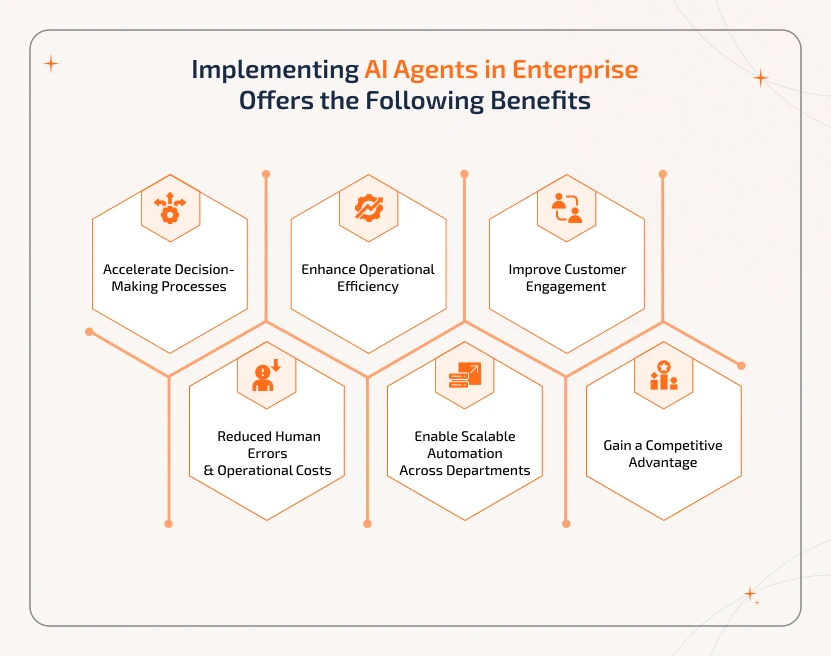
The Strategic Advantage of Artificial Intelligence-First Companies
Artificial Intelligence-first companies layout workflows with Artificial Intelligence embedded from the begin, gaining:
- Faster decision cycles
- Better customer engagement
- Higher operational agility
This creates long-term competitive advantage.
Conclusion
In 2026, Artificial Intelligence achievement is described via execution, no longer ambition. Businesses that focus on practical, scalable Artificial Intelligence use instances are seeing actual consequences. For publishers, establishments, and digital leaders, Artificial Intelligence is no longer optionally available it’s far a strategic necessity.
