
Skip to content
SUBSCRIBE
  • Technology
    Intelligent Choice: The Business Benefits of Using RingCentral
    Technology
    Intelligent Choice: The Business Benefits of Using RingCentral
    January 28, 2026
    Saurav Dhawale
    No posts found
    Essential Guide
    Technology
    The Essential Guide to SIEM
    Reimagine Retail and Consumer Goods Innovation with Generative AI
    Technology
    Reimagine Retail and Consumer Goods Innovation with Generative AI
    download - 2025-07-11T144744
    Technology
    Reporting on Risk in the Public Sector
    No posts found
    View All
  • HRTech
    Screenshot-2026-01-19-212318
    Hrtech
    Dell PowerEdge Rack Servers vs. HPE ProLiant DL Servers Reviews, Tips and Advice from Real Users
    January 19, 2026
    Saurav Dhawale
    No posts found
    Centralized Overview of School Operations
    Hrtech
    Centralized Overview of School Operations
    Cyberproof Multicloud Environments
    Hrtech
    Cyberproof Multicloud Environments
    Parents and Student Portal – Stay Connected to Your Educational Journey
    Hrtech
    Parents and Student Portal – Stay Connected to Your Educational Journey
    No posts found
    View All
  • Finance
    download 83
    Finance
    Why Zero Trust Cant be Bought and Must be Earned.
    July 16, 2025
    Saurav Dhawale
    No posts found
    A CIO’S Guide to Navigating the Boardroom
    Finance
    A CIO’S Guide to Navigating the Boardroom
    5 Key Elements of a Data-driven Culture
    Finance
    5 Key Elements of a Data-driven Culture
    IT Leaders Need IT Services To Achieve Business Outcomes
    Finance
    IT Leaders Need IT Services to Achieve Business Outcomes
    No posts found
    View All
  • Marketing
    Hotel Marketers: Stand Out From the Pack & Keep Customers Engaged
    Marketing
    Hotel Marketers: Stand Out From the Pack & Keep Customers Engaged
    January 15, 2026
    Saurav Dhawale
    No posts found
    How MedTech sales operations leaders are driving growth
    Marketing
    How MedTech sales operations leaders are driving growth
    Reimagine the Employee Experience: A Guide for Public Sector Organizations
    Marketing
    Reimagine the Employee Experience: A Guide for Public Sector Organizations
    6 Tips For Better Digital Learning In The Workplace
    Marketing
    6 Tips For Better Digital Learning In The Workplace
    No posts found
    View All
  • Resources
    • Web Development
    • Technology 2025
    • Supply Chain
    • Storage
    • Security
    • Networking And Communication
    • MSP
    • Library
    • IT Security
    • IT Management
    • IT Infrastructure
    • IOT
    • Global Trade
    • Stock Market
    • Insurances
    • Banking
    • Finance 2025
    • ERP
    • Ecommerce
    • Ebook
    • Digital Advertising
    • Data Security
    • Data Management
    • Content Marketing
    • Cloud Migration
    • Cloud Computing
    • Big Data
    • B2B Marketing
    • Audit And Compliance
    • Artificial Intelligence
    • Application Development
    • API
    • Analytics
    • Abm Marketing
  • Contact
  • About
    • Privacy Policy
    • Terms of Use
    • Cookies Notice
  • work-with-us
    • Advertise With-Us
  • Technology
    download 57
    Technology
    Deliver extraordinary experiences in the 5G era
    July 9, 2025
    Saurav Dhawale
    No posts found
    The Rise of Big Data in Fleet Management
    Technology
    The Rise of Big Data in Fleet Management
    Migrate to a modern virtualization platform
    Technology
    Migrate to a modern virtualization platform
    8 Things to Know When Switching from Windows to Linux
    Technology
    8 Things to Know When Switching from Windows to Linux
    No posts found
    View All
  • HRTech
    Why IT struggles with innovation and what to do about it:
    Hrtech
    Why IT struggles with innovation and what to do about it:
    January 22, 2026
    Saurav Dhawale
    No posts found
    Level Up: LLMOps and MLOps With Dataiku & Snowflake
    Hrtech
    Level Up: LLMOps and MLOps With Dataiku & Snowflake
    A CSO guide: Unlocking value with a diverse carbon dioxide removal portfolio
    Hrtech
    A CSO guide: Unlocking value with a diverse carbon dioxide removal portfolio
    3 Ways to Maximize the Effectiveness of Your Renewable Energy PPAs
    Hrtech
    Modernize your IT services and operations with AI
    No posts found
    View All
  • Finance
    Equinix Experiences Strong Growth Driven by AI, Hyperscale, and Digital Infrastructure
    Finance
    Equinix Experiences Strong Growth Driven by AI, Hyperscale, and Digital Infrastructure
    January 27, 2026
    Saurav Dhawale
    No posts found
    Hybrid Cloud Offers The Most Flexible Path To Cloud Adoption, Say Technology Leaders
    Finance
    Hybrid Cloud Offers The Most Flexible Path To Cloud Adoption, Say Technology Leaders
    Hybrid Cloud Backup For Dummies
    Finance
    Hybrid Cloud Backup For Dummies
    Rugged Workflows
    Finance
    Rugged Workflows
    No posts found
    View All
  • Marketing
    How-B2B-Tech-Publishers-Can-Use-Google-Ads-to-Boost-Lead-Quality
    Analytics B2B marketing Marketing
    How B2B Tech Publishers Can Use Google Ads to Boost Lead Quality
    December 12, 2025
    Saurav Dhawale
    No posts found
    The Wise Guide: The Do’s and Don’ts of Data Storage From Our Customers Point of View
    Marketing
    The Wise Guide: The Do’s and Don’ts of Data Storage From Our Customers Point of View
    Tools designed for security could be your biggest cybersecurity threat
    Marketing
    Tools Designed for Security Could Be Your Biggest Security Threat
    Pioneering the race to zero: Key strategies and innovations to scale up carbon dioxide removal
    Marketing
    Pioneering the race to zero: Key strategies and innovations to scale up carbon dioxide removal
    No posts found
    View All
  • Resources
    • Web Development
    • Technology 2025
    • Supply Chain
    • Storage
    • Security
    • Networking And Communication
    • MSP
    • Library
    • IT Security
    • IT Management
    • IT Infrastructure
    • IOT
    • Global Trade
    • Stock Market
    • Insurances
    • Banking
    • Finance 2025
    • ERP
    • Ecommerce
    • Ebook
    • Digital Advertising
    • Data Security
    • Data Management
    • Content Marketing
    • Cloud Migration
    • Cloud Computing
    • Big Data
    • B2B Marketing
    • Audit And Compliance
    • Artificial Intelligence
    • Application Development
    • API
    • Analytics
    • Abm Marketing
  • Contact
  • About
    • Privacy Policy
    • Terms of Use
    • Cookies Notice
  • work-with-us
    • Advertise With-Us
Home » Finance 2025
Category:

Finance 2025

FinanceFinance 2025

AI Fraud Detection: How Financial Institutions Stay Ahead of Cyber Threats

by ailcia sierra August 14, 2026
written by ailcia sierra

As banking and financial services become increasingly digital, cybercriminals are using more advanced tactics such as identity theft, phishing, account takeovers, and payment fraud. AI fraud detection helps financial institutions identify suspicious activities in real time, detect emerging fraud patterns, and prevent financial losses more effectively than traditional rule-based systems.

Conventional fraud detection systems rely heavily on predefined rules and manual reviews. While these methods can identify known patterns of suspicious activity, they often generate false positives, delay transaction approvals, and fail to detect newly emerging fraud techniques. As digital banking, mobile payments, and real-time transactions continue to grow, financial institutions need faster and more intelligent ways to protect customers and their assets.

This is where AI fraud detection in banking is transforming financial security. By using artificial intelligence, machine learning, predictive analytics, and behavioral analysis, banks can monitor millions of transactions in real time, identify unusual activity, and respond to potential threats within seconds. Instead of waiting for fraud to occur, AI enables financial institutions to detect suspicious behavior before significant damage is done.

AI Fraud Detection: How Financial Institutions Stay Ahead of Cyber Threats

What Is AI Fraud Detection in Banking?

AI fraud detection in banking is about using intelligence to find, stop and deal with fake financial activities automatically. Banks use AI to look at lots of information from transactions and customer behavior to spot problems and assess risks away.

Banks do millions of transactions every day. On mobile apps at ATMs and through payment systems. It’s impossible for people to check all these transactions manually. AI systems look at each transaction. Consider things like how much is being spent what the customer usually buys what device they’re using, where they are and how they normally spend their money.

Why Traditional Fraud Detection Is No Longer Enough

Financial fraud has evolved rapidly over the past decade. Cybercriminals now use advanced technologies, automation, and social engineering techniques to bypass conventional security systems.

Traditional fraud detection methods are based on predefined rules. For example:

  • Flag transactions above a certain amount.
  • Block payments from restricted countries.
  • Alert users after multiple failed login attempts.
  • Review unusually large withdrawals manually.

Although these rules remain useful, they cannot adapt quickly to new fraud techniques. Fraudsters constantly modify their behavior to avoid triggering fixed security rules.

Why AI Fraud Detection Is Becoming Essential

The way we do banking has changed a lot because of the internet. Now people do a lot of transactions online.

People want to be able to pay bills and do banking on their phones and computers. They want it to be easy and fast.. This also means that bad people have more chances to do bad things.

AI helps financial institutions maintain security without slowing down customer transactions.

Some of the main reasons banks are investing in AI fraud detection include:

  • Real-time fraud monitoring
  • Faster threat identification
  • Reduced financial losses
  • Improved customer trust
  • Better compliance with financial regulations
  • Lower false-positive rates
  • Continuous learning from new fraud patterns
  • Enhanced cybersecurity

Rather than replacing fraud analysts, AI works alongside security teams by identifying suspicious activities that require human investigation.

How AI Fraud Detection Works

AI fraud detection combines several advanced technologies to analyze financial data and identify unusual behavior almost instantly.

The process begins when a customer performs a financial activity such as making a payment, transferring money, logging into online banking, or using a credit card.

The AI system immediately collects relevant information, including:

  • Transaction amount
  • Customer spending history
  • Device information
  • Geographic location
  • IP address
  • Login behavior
  • Payment method
  • Time of transaction

Machine learning models compare this information with historical customer behavior and millions of previous transactions.

Technologies Behind AI Fraud Detection

AI fraud detection combines multiple technologies to identify and prevent financial fraud in real time.

  • Artificial Intelligence (AI): Analyzes large volumes of transactions to detect suspicious activity quickly.
  • Machine Learning (ML): Learns from past fraud cases to identify new and evolving fraud patterns.
  • Behavioral Analytics: Monitors customer spending habits and flags unusual behavior.
  • Predictive Analytics: Uses historical data to forecast potential fraud before it occurs.
  • Natural Language Processing (NLP): Analyzes emails, documents, and customer communications to detect fraudulent activity.

Key Benefits of AI Fraud Detection in Banking

Financial institutions are adopting AI because it provides measurable improvements across multiple areas of fraud prevention.

BenefitBusiness Impact
Real-Time MonitoringDetects suspicious transactions instantly
Higher Detection AccuracyIdentifies complex fraud patterns
Reduced False PositivesImproves customer experience
Faster ResponsePrevents financial losses quickly
Continuous LearningAdapts to evolving cyber threats
Better Regulatory ComplianceSupports audit and compliance requirements
Lower Operational CostsReduces manual investigations
Improved Customer TrustEnhances confidence in digital banking

These advantages make AI fraud detection one of the most valuable investments for modern banks and financial institutions.

Financial Fraud That Artificial Intelligence Can Find

AI systems can find kinds of fake activities in banks and places that deal with money.

Some things that happen a lot are:

  • Credit card fraud
  • Debit card fraud
  • Account takeover attacks
  • Identity theft
  • Money laundering
  • Loan application fraud
  • Payment fraud
  • Wire transfer fraud
  • Insurance fraud
  • Synthetic identity fraud
  • Merchant fraud
  • Insider financial fraud

Each type of fraud has its own special ways of working and artificial intelligence models keep getting better at finding these new ways that people try to cheat and they do it better than old systems that just follow rules. Artificial intelligence systems are good, at finding fraud because they can look at a lot of things and see patterns that people might miss. Financial fraud is a problem but artificial intelligence can help find it.

Financial Fraud That Artificial Intelligence Can Find

Credit Card Fraud Detection

Credit card fraud remains one of the most common financial crimes worldwide. Criminals use stolen card information to make unauthorized purchases, withdraw money, or conduct online transactions.

Traditional fraud detection systems often rely on fixed rules such as transaction limits or unusual purchase amounts. While useful, these methods cannot always recognize sophisticated fraud techniques.

AI improves credit card security by evaluating multiple risk factors simultaneously, including:

  • Spending habits
  • Purchase location
  • Device information
  • Transaction timing
  • Merchant history
  • Customer behavior

For example, if a customer regularly shops within one city but suddenly makes several expensive purchases in another country within a short period, AI immediately recognizes the unusual behavior and assigns a high fraud risk score.

Payment Fraud Detection

Digital payments are growing fast. People are using banking, mobile apps, QR code payments and digital wallets more and more.

These new payment methods make it easy, for customers.. They also create new chances for fraud to happen.

AI systems that detect fraud watch every transaction as it happens. They look at how people make payments and compare it to how they made payments

They check if the payment patterns match what the customer usually does.

Loan and Credit Application Fraud

Financial institutions process thousands of loan applications every day.

Fraudsters often submit false documents, synthetic identities, or manipulated financial information to obtain loans illegally.

AI simplifies the verification process by analyzing multiple sources of information simultaneously.

These include:

  • Identity verification
  • Income validation
  • Credit history
  • Employment records
  • Document authenticity
  • Behavioral indicators

Machine learning models compare new applications with previous fraud cases, helping banks identify suspicious applications much earlier than manual reviews.

Insurance Fraud Detection

Many banks also provide insurance services.

AI helps identify fraudulent insurance claims by analyzing historical claim records, customer behavior, supporting documents, and payment history.

Claims that contain unusual patterns or inconsistent information are automatically flagged for further investigation. This reduces fraudulent payouts while improving claim processing efficiency for legitimate customers.

Benefits of AI Fraud Detection for Financial Institutions

Beyond improving security, AI delivers measurable operational and financial advantages that support long-term business growth.

  • Faster Fraud Detection: AI identifies fraudulent transactions in real time by analyzing millions of data points within seconds.
  • Improved Customer Experience: AI reduces false fraud alerts, allowing genuine transactions to be processed quickly and securely.
  • Lower Operational Costs: AI automates routine fraud monitoring, helping financial institutions reduce manual effort and improve efficiency.
  • Better Compliance: AI supports regulatory compliance by continuously monitoring transactions and maintaining accurate audit records.
  • Continuous Learning: AI continuously learns from new data and emerging fraud patterns, improving detection accuracy over time without manual rule updates.

Industries Benefiting from AI Fraud Detection

Although banking is the largest adopter, AI fraud detection is transforming many other industries that process financial transactions.

IndustryCommon AI Fraud Detection Applications
BankingTransaction monitoring, account security, AML
InsuranceClaims verification, policy fraud detection
E-commercePayment fraud, fake accounts, refund fraud
FinTechDigital wallet protection, identity verification
HealthcareMedical billing fraud, insurance fraud
RetailPayment monitoring, loyalty fraud detection
TelecommunicationsSubscription fraud, account misuse

The widespread adoption of AI demonstrates its ability to strengthen security across multiple sectors.

AI Fraud Detection vs Traditional Fraud Detection

Understanding the difference between traditional systems and AI-powered fraud detection helps explain why financial institutions are investing heavily in intelligent technologies.

FeatureTraditional Fraud DetectionAI Fraud Detection
Decision MethodRule-basedMachine learning and predictive analytics
SpeedSlowerReal-time detection
AccuracyModerateHigh
False PositivesHigherLower
AdaptabilityLimitedContinuously improves
Threat DetectionKnown fraud patternsKnown and emerging threats
Data AnalysisLimitedLarge-scale data processing
Customer ExperienceMore transaction interruptionsFaster and smoother verification

This comparison highlights why AI has become the preferred approach for modern fraud prevention.

AI Fraud Detection vs Traditional Fraud Detection

How AI Improves Fraud Investigation

Detecting suspicious activity is only the beginning of the fraud prevention process. AI helps fraud investigation teams work more efficiently by automatically prioritizing high-risk cases based on the likelihood of fraud. Instead of manually reviewing thousands of alerts, investigators receive ranked cases with valuable insights such as transaction history, customer behavior patterns, risk scores, and supporting evidence. This enables security teams to focus on genuine threats, reduce false positives, accelerate investigations, and simplify audit and regulatory reporting.

Why AI Fraud Detection Is Becoming a Competitive Advantage

In today’s digital banking landscape, customer trust is just as important as financial products and services. Customers expect fast, secure, and seamless transactions, and even a single fraud incident can damage an institution’s reputation. By adopting AI-powered fraud detection, banks can strengthen security, detect threats more quickly, and deliver a smoother customer experience with fewer unnecessary transaction delays. Financial institutions that successfully balance strong fraud prevention with exceptional customer service are better equipped to build trust, retain customers, and gain a long-term competitive advantage.

Challenges of Implementing AI Fraud Detection in Banking

While AI has significantly improved fraud detection, implementing it comes with several challenges. Financial institutions need high-quality data, secure infrastructure, seamless system integration, and continuous model updates to ensure AI delivers accurate and reliable fraud prevention.

  • Data Privacy and Security: AI relies on large volumes of sensitive customer data, making strong encryption, access controls, and continuous security monitoring essential.
  • High Implementation Costs: Deploying AI fraud detection requires investment in technology, infrastructure, training, and integration, although it delivers long-term cost savings.
  • Integration with Legacy Systems: Many banks use outdated core banking systems, making AI integration more complex and requiring a gradual modernization approach.
  • False Positives: AI can occasionally flag legitimate transactions as suspicious, requiring continuous model training to improve accuracy and reduce customer friction.
  • Evolving Cyber Threats: As fraud tactics become more sophisticated, AI models must be regularly updated to detect emerging threats such as deepfakes, AI-powered phishing, and synthetic identity fraud.

Best Practices for Implementing AI Fraud Detection

Implementing AI successfully requires a clear strategy, high-quality data, and continuous improvement. Financial institutions should combine advanced AI technologies with strong governance and human expertise to maximize fraud detection while meeting regulatory requirements.

  • Define Clear Fraud Prevention Goals: Set measurable objectives such as reducing payment fraud, detecting money laundering, minimizing false positives, or strengthening customer authentication.
  • Invest in High-Quality Data: Accurate, complete, and well-maintained transaction data helps AI models detect fraud more effectively and improve decision-making.
  • Combine AI with Human Expertise: AI can identify suspicious activity quickly, while experienced fraud analysts provide the judgment needed for complex investigations.
  • Monitor AI Performance Continuously: Regularly evaluate detection accuracy, false positives, and emerging fraud patterns to keep AI models effective over time.
  • Prioritize Regulatory Compliance: Ensure AI systems support AML, KYC, data privacy, audit trails, and compliance reporting to meet evolving regulatory standards.

Future Trends in AI Fraud Detection

As fraud techniques become more advanced, AI is evolving to deliver faster, smarter, and more proactive fraud prevention. Emerging technologies are helping financial institutions strengthen security while improving the customer experience.

  • Behavioral Biometrics: AI verifies user identity by analyzing unique behaviors such as typing patterns, mouse movements, and touchscreen interactions.
  • Generative AI for Fraud Prevention: Banks are using generative AI to simulate cyberattacks, improve fraud investigations, and strengthen security testing.
  • Explainable AI: Transparent AI models help investigators understand why transactions are flagged, improving trust, accuracy, and regulatory compliance.
  • Real-Time Risk Scoring: AI continuously evaluates transaction and behavioral data to calculate dynamic risk scores and detect fraud instantly.
  • AI-Powered Identity Verification: Advanced authentication methods, including facial recognition, voice biometrics, and document verification, provide stronger protection against identity fraud and account takeover attacks.

How to Choose the Right AI Fraud Detection Solution

Every financial institution has unique operational requirements, customer expectations, and compliance obligations.

When evaluating AI fraud detection platforms, organizations should consider:

Evaluation CriteriaWhy It Matters
Real-Time MonitoringDetects fraud immediately
Machine Learning CapabilitiesImproves detection accuracy over time
ScalabilitySupports business growth
Integration SupportWorks with existing banking systems
Regulatory ComplianceMeets AML, KYC, and privacy requirements
Reporting and AnalyticsProvides actionable fraud insights
User ExperienceMinimizes friction for legitimate customers
Security FeaturesProtects sensitive financial information

Selecting a flexible and scalable platform ensures long-term success as fraud threats continue to evolve.

Conclusion

The way banks work with people has changed a lot because of banking. This has also made them more open to bad cyber attacks. The old systems that banks used to catch fraud are not good enough anymore. They cannot find the ways that people try to cheat the system or keep the banks safe when people do a lot of things online.

AI fraud detection is a way to do things. It looks at a lot of information in real time. It finds people who are acting suspiciously. It reduces the number of alarms.. It keeps learning about new ways that people try to cheat. From credit card fraud to people taking over accounts from payment fraud to money laundering and identity theft AI is helping banks be safer. It is also making things easier and faster for customers.

It is not easy to start using AI fraud detection. The bank has to spend money on it. They need data. They need to train their employees.. They need to keep watching everything that is happening.. It is worth it in the end. Banks that use AI to catch fraud can work efficiently. They can lose money. They can follow the rules better.. They can make their customers trust them more.

As AI gets better it will be even easier to stop fraud. Banks that start using AI now will be ready to fight the cyber attacks that will come in the future. They will make digital banking safer, for everyone. Digital banking will be safer because of AI fraud detection. AI fraud detection will help banks and people who use banking.


August 14, 2026 0 comment
0 FacebookTwitterPinterestEmail
Finance 2025

How AI Agents Could One Day Trade Entire Portfolios Independently

by ailcia sierra July 7, 2026
written by ailcia sierra

Financial markets are entering an era where automation is not just about simple computer programs that buy and sell things. Over the ten years the way people trade has changed a lot. It used to be that people made decisions on their own. Now computers use special math and machine learning to make decisions based on a lot of data.. Now something new is happening that is very different from what we had before. Computers that can manage and trade entire investment portfolios on their own.

These computer systems are designed to work with little help from people. They are not like the computer programs that just followed a set of rules. Financial markets are. Investment strategies are changing too. AI agents can look at what’s happening in the market learn from what has happened before adapt to new things that are happening and make complicated financial decisions very quickly.

The idea of using intelligence to make trading decisions on its own is becoming more and more important as financial markets get more complicated and have more data. Investors have to deal with an amount of information including Financial markets prices, news from, around the world how the economy is doing how people are feeling about things and what is happening in politics. Financial markets and investment portfolios are too much for human traders to handle on their own.

What are AI trading agents?

AI trading agents are systems that use intelligence to look at financial markets and make trading decisions on their own. These AI trading agents use things, like machine learning and predictive analytics to make investment decisions.

They can look at a lot of information at the time and change what they do based on what is happening in the market.

Key features of AI trading agents include

  • decision making
  • Looking at the market in time
  • Models that can learn and change
  • Executing trades automatically
How AI Agents Can Handle Whole Portfolios

There are types of AI trading agents

  1. Rule-Based AI Agents: These agents follow rules that people have set up for them to make trades.
  2. Learning-Based AI Agents: These agents get better over time by looking at what happened in the market
  3. Reinforcement Learning Agents: These agents try to make the trading strategy by using a system that gives them rewards when they do things right.

How AI Agents Can Handle Whole Portfolios

AI agents can handle whole portfolios because they are capable of monitoring the level of risks, diversification approaches, and the market performance.

These agents can rebalance the portfolio, alter asset allocation, and optimize gains in accordance with current financial information.

Key Attributes

  • Portfolio management automation
  • Asset allocation dynamicism
  • Risk-oriented decision-making
  • Continuous optimization

Human Traders vs AI Trading Agents

AspectHuman TradersAI Trading Agents
Decision SpeedModerateInstant
Emotional BiasHighNone
Data ProcessingLimitedMassive scale
Market AdaptabilitySlowReal-time

The Role of Machine Learning in AI Trading Systems

Machine learning is very important for AI agents to understand how the market works and to predict what prices will be in the future. Machine learning helps AI agents to do this. These systems look at what happened in the past find patterns and get better at predicting what will happen in the market over time.

Key Features

  • Predictive modeling
  • Pattern recognition
  • Continuous learning
  • Data-driven forecasting

There are types of Machine Learning in Trading.

  • Supervised Learning.: uses information that is already labeled to predict what will happen in the market in the future.
  • Unsupervised Learning.: finds patterns in market data that’re not easy to see.
  • Reinforcement Learning: learns the trading strategies by getting rewards or penalties.

AI Agents in Algorithmic Trading

trading is used a lot in financial markets.

Ai agents are even better because they can think and change their strategies based on what is happening in the market. AI agents are different from algorithms because they can change their strategies on their own based on market conditions.

Key Features

  • Adaptive trading strategies
  • High-frequency execution
  • Real-time optimization
  • Reduced human intervention

Risk Management Using AI Trading Agents

Managing risk is very important when it comes to taking care of a portfolio. AI agents help reduce risks by always watching how volatile the market is and changing their strategies as needed. AI agents can see losses before they happen and take action automatically to prevent them.

Key Features

  • Real-time risk analysis
  • Portfolio protection strategies
  • Volatility monitoring
  • risk modeling

Machine learning and AI agents are important for trading systems. They help with Machine Learning, in AI Trading Systems and Risk Management Using AI Trading Agents.

How AI Agents Can Handle Whole Portfolios

AI Risk Management Functions

FunctionBenefit
Risk DetectionEarly warning signals
Portfolio DiversificationReduced exposure
Market MonitoringReal-time insights
Loss PreventionSmarter decision-making

Benefits of AI Agents in Portfolio Trading

AI trading agents offer several advantages over traditional trading systems, especially in speed, accuracy, and scalability. They allow financial institutions and investors to make data-driven decisions with reduced emotional bias.

Key Features

  • Faster trade execution
  • Improved accuracy
  • Reduced emotional bias
  • Scalable investment strategies

AI in Algorithmic Trading Systems

AI brings intelligence to conventional algorithmic trading systems.

Key Components

  • Intelligent trading algorithms
  • Market reactions on the spot
  • Predictive analysis

Application of Machine Learning in Stock Price Prediction

Machine learning aids in predicting stock prices based on past trends.

Key Components

  • Identification of patterns
  • Predictive models
  • Market trend analysis

AI-Fueled Hedge Fund Strategies

AI is revolutionizing hedge fund investment strategies.

Key Components

  • Automated decision-making
  • Optimized risk-reward
  • Portfolio management based on data

Reinforcement Learning in Financial Trading

Reinforcement learning enables AI systems to improve trading decisions over time.

Key Features

  • Reward-based learning
  • Strategy optimization
  • Adaptive trading behavior

5. The Future of Autonomous Financial Systems

Financial systems are moving toward full automation with AI integration.

Key Features

  • Autonomous investment platforms
  • Intelligent financial ecosystems
  • Real-time decision systems

Challenges of Fully Autonomous AI Trading Systems

While such systems possess multiple benefits, there exist some drawbacks associated with them, which need to be considered. Financial market is characterized by a high degree of unpredictability, hence requiring an appropriate solution from AI-based tools.

How AI Agents Can Handle Whole Portfolios

Important Features

  • Unpredictable nature of the financial market
  • Concerns about regulation
  • Dependence on the quality of data
  • Transparency of the system

Challenges Associated with AI-based Trading System Types

  • Regulatory Challenges: Such fully automated solutions may be restricted by financial institutions.
  • Ethical Challenges: AI-based decisions should always be ethical.
  • Technical Challenges: A high dependence on the quality of data used.

Compared to Human Hedge Fund Managers

AI agents have been compared with human hedge fund managers because of similar objectives. The key difference lies in the significantly high speed and data processing capabilities of AI agents.

Key Features

  • Data-driven approach
  • Emotionless decision-making
  • Continuous monitoring of the market
  • Execution systems

Financial Market Future for AI Agents

The future of financial markets will be very much dependent on automated AI solutions. Hedge funds, retirement funds, and institutions may eventually be managed by AI agents with very little human intervention.

Main Features

  • Automated trading systems
  • AI investment solutions
  • Intelligent financial ecosystem
  • Adaptive portfolios

Consclusion

AI agents are going to change trading and portfolio management a lot. They use machine learning, predictive analytics and reinforcement learning to look at financial data and make investment decisions on their own.

Traditional trading systems rely on judgment and rules but AI agents bring speed, accuracy and adaptability to financial markets. They can watch data all the time manage risks and optimize portfolios right away.

There are challenges like regulation, transparency and market unpredictability that need to be solved before autonomous trading systems become common. With these challenges finance is clearly moving towards AI-driven automation.

As technology gets better AI agents might become tools for managing investments. This will change how global financial markets work and how portfolios are built and optimized. AI agents will play a role in this change. Financial markets will rely on AI agents more and more.

Frequently Asked Questions:

1. What are AI trading agents?

AI trading agents are systems that look at the markets and make trades on their own. They use machine learning and predictive analytics to do this.

2. Can AI manage investment portfolios?

Yes AI agents can look at the data. Make changes to the portfolios. They can also try to make the investments better with little help from people.

3. What technologies power AI trading systems?

AI trading systems use machine learning and other technologies like reinforcement learning and deep learning. They also use analytics to make good decisions.

4. Are AI trading systems than human traders?

AI systems are very fast. They make decisions based on a lot of data.. Human traders are still important because they can make big decisions and watch over everything.

5. What is the future of AI in trading?

In the future AI trading agents will be able to make all the trades on their own. AI will also manage investment portfolios. Help make the financial system smarter. The future of AI trading agents and AI, in trading is going to be very interesting.

July 7, 2026 0 comment
0 FacebookTwitterPinterestEmail
7-Powerful-Stock-Market-Insights-Every-Smart-Investor-Must-Know-in-2026
Stock Market

7 Powerful Stock Market Insights Every Smart Investor Must Know in 2026

by Saurav Dhawale January 6, 2026
written by Saurav Dhawale
how the stock market works globally

Stock Market

The stock marketplace plays a essential role in the worldwide financial device. It allows organizations to elevate capital and offers traders possibilities to grow wealth through the years. In 2026, the inventory marketplace is greater reachable than ever, powered by way of era, data analytics, and virtual structures.

How Stock Market Works

The share market is a platform in which shares of publicly indexed agencies are bought and bought. When traders buy shares, they benefit partial possession in a business enterprise.

Stock exchanges consisting of the NYSE, NASDAQ, and NSE facilitate those transactions. Prices circulate based on call for, supply, organization overall performance, monetary situations, and investor sentiment.

Types of Trading Market Investments

There are numerous approaches to make investments within the share market:

  • Equity Stocks – Ownership in groups
  • Dividend Stocks – Regular income opportunities
  • Index Funds – Track normal marketplace performance
  • ETFs – Low-cost diversification
  • Blue-Chip Stocks – Stable and set up companies

Each funding type fits special danger profiles and financial desires.

Important trends in the share market in 2026

The stock market is developing rapidly. Some important trends include:

  • AI-powered trading and analysis
  • Emergence of retail investors
  • The evolution of ESG investments
  • Increase in automation and algorithmic trading
  • global market integration

These trends are reshaping buyers’ approach to the share market

Smart Stock Market Investment Strategies

Successful share market traders attention on method in place of emotion. Key techniques include:

  • Long-term making an investment
  • Portfolio diversification
  • Regular market evaluation
  • Risk management
  • Investing based totally on basics, no longer hype

Consistency and discipline are important for share market success.

Risk Involve in the Stock Market

While the share market offer strong return, it also carries risk:

  • Market uncertainty
  • Economic slowdown phases
  • Company-specific risks
  • Emotional decision-making

Understanding these risk helps investor make informed decisions and avoid unnecessary loss.

The work of technology in the modern share market

Technology has changed the share market. AI, Big Data, mobile trading apps and automated platforms now provide real-time information and faster execution.

Digital tools helps investors to analyze trends, manage portfolios and easily access global stock markets.

Beginner Tips for share market Investing

If you’re new to the stock market, comply with these guidelines:

  • Start with clear monetary dreams
  • Learn earlier than making an investment
  • Avoid brief-term hypothesis
  • Track performance regularly
  • Stay updated with marketplace information

Patience and training are the keys to long-time period inventory marketplace boom.

The importance of market indices in the share market

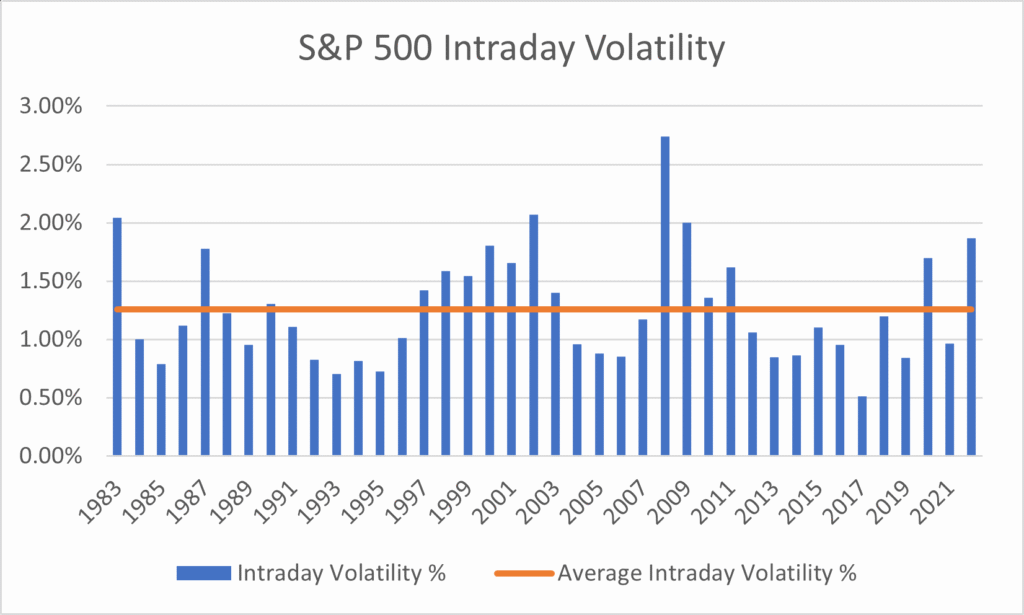
Market indices play an important role in understanding the development of the stock market. They represent a group of top performing companies and serve as a benchmark.

Popular indices include:

  • S&P 500
  • Dow Jones Industrial Average
  • NASDAQ Composite
  • NIFTY 50
  • Sensex

Tracking indices help investors analyze general share market trends rather than focusing only on individual stocks.

stock market impact of global economic indicators

long term vs short term Stock Investment

Investors often choose between a long-term and short-term approach in the stock market.

long-term investment

  • Focuses on company fundamentals
  • Benefits from compounding
  • Lower stress and transaction costs

Short-Term Trading

  • continuous monitoring is required
  • High risk and volatility
  • Time and technical analysis is dependent

For most individuals, long-term stock market investing proves to be more sustainable and profitable.

Stock Market Regulations and Investor Protection

The stock market is regulated to ensure transparency and protect investor. Regulatory bodies enforce rules that maintain fair trading practice.

Examples include:

  • SEC (USA)
  • SEBI (India)
  • FCA (UK)

These organizations monitor market activities, prevent fraud, and promote investor confidence in the share market.

Future Outlook of the Stock Market

The future of the share market look promising as technology, globalization, and digital platforms continue to evolve.

Key drivers for future growth :

  • Artificial intelligence in trading
  • Increased retail investor participation
  • Expansion of emerging markets
  • Sustainable and ESG investing

Despite short term volatility, the share market remains a powerful engine for long term financial growth.

Final Thought

The stock market stays one of the maximum powerful gear for wealth advent. With the right know-how, method, and discipline, investors can take benefit of marketplace possibilities whilst coping with dangers efficiently.

As technology and global markets evolve, expertise the share market will become even greater vital for financial achievement in 2026 and beyond.

January 6, 2026 0 comment
0 FacebookTwitterPinterestEmail
Finance 2025

Powerful Ways Digital Banking Is Revolutionizing Finance in 2025

by Saurav Dhawale September 2, 2025
written by Saurav Dhawale

Introduction

The financial world has entered a new era of convenience, speed, and personalization — all thanks to digital banking. In 2025, banking is no longer confined to physical branches. Instead, customers expect secure mobile experiences, AI-powered insights, and 24/7 access to their money. With fintech innovations and rising customer demand for smarter solutions, digital banking is no longer a luxury — it’s the foundation of the financial ecosystem.

In this blog, we’ll explore the 7 most powerful ways digital banking is revolutionizing finance in 2025, creating opportunities for individuals, businesses, and the global economy.

Seamless Mobile Banking Experiences

The emergence of mobile first platforms has made it easier for customers to manage accounts, pay bills and transfer funds with just one pressure. In 2025, banks focus on intuitive interfaces, biometric authentication and AI Chatbot to offer real -time support and convenience.

With Digital Bank, people no longer need to stand in long queues or wait for the branch hours. Mobile applications provide immediate account opening, remote control deposits and fast international transfer, making everyday financial management comfortable and safe.

AI-Powered Personal Finance Insights

One of the most exciting trends in Digital Bank is the integration of artificial intelligence. Banks benefit from AI for individual savings tips, consumption analysis and provide future budget equipment. This insight allows customers to make smart financial decisions with less effort.

By combining AI and Digital Bank, financial institutions can offer individual credit scores, initial fraud alerts and silver investments proposals. This active approach ensures that customers feel supported by improving the confidence and loyalty of digital economic systems.

Blockchain and Secure Transactions

Security is top priority in finance. Blockchain-operated digital banking solutions reduce the risk of fraud by ensuring fast and transparent border transition transactions. This technology also enables new services such as Smart Contracts and Decentralized Finance (DEFI) integration.

As digital banking blockchain adopt, banks improve data security, verification of transactions and compliance controls. Customers achieve security with safe transfers, while companies benefit from low costs and rapid disposal time, do

Open Banking & Fintech Collaboration

In 2025, the Open Banking API promotes collaboration between traditional banks and Fintech start -ups. This change now allows customers to more services – from debt to investment – within the same app. Result? A customer -centric ecosystem produced on openness and choice.

Through Digital Bank, open bank users allow the data to control their data, compare offers and easy switching suppliers. It also encourages innovation by letting Fintech create unique solutions to complement existing banks, providing more flexibility and freedom to customers.

Hyper-Personalized Customer Experiences

Digital banking is no longer size-pass all. With advanced data analysis, banks can now tailor products and services based on customer behavior. From customized credit to investment proposals, privatization improves both loyalty and satisfaction.

In 2025, digital bank platforms use an AI-driven privatization engine to recommend the flexible loan’s refund program, design flexible loan repayment programs and even use patterns. This helps customers achieve services that fit their lifestyle and strengthen the relationship with the selected bank.

Green & Sustainable Digital Finance

Stability has come into the spotlight. Many banks integrate environmentally friendly practice and offer paperless bank, carbon tracking tools and green investment portfolio. Digital Banking ESG is in line with goals, which allows customers to invest responsibly.

With Digital Bank, banks can reduce environmental footprints, promote renewable energy projects and enable carbon-offset initiatives. Customers quickly prefer institutions that prefer stability, and this trend helps shape a future in which finance

The Rise of Embedded Banking

Banking is quickly woven in everyday apps. With riding sharing platforms that provide immediate loan to e-commerce checkout box with built-in wallet, built-in digital banking financing makes the financing invisible, friction-free and more accessible.

In 2025, Digital Banking integration extends to gaming platforms, retail purchases and member services, enabling spontaneous financial interactions without switching apps. Intended not only finances time, but also provides business new revenue streams, while customers like unmatched convenience.

Conclusion

By 2025, Digital Banking is not just a trend – it is a revolution that shapes our interaction with our money. From the AI-driven insight into permanent financial solutions, digital shifts are fast, which enables smart and safer financial services. For customers it means empowerment. For companies, this means development. For the global economy that means flexibility.

As technology develops, one thing is clear: Digital banking is a heartbeat for modern finance.

September 2, 2025 0 comment
0 FacebookTwitterPinterestEmail
business bank account in India at a digital-friendly bank, reviewing documents for account setup in 2025.
Banking

How to Open a Business Bank Account in India: Step-by-Step Guide for 2025

by Saurav Dhawale June 14, 2025
written by Saurav Dhawale

Introduction

To start a business in India requires business bank account in India more than just a good idea – you also need a solid financial basis. One of the first stages of setting up is to open a business bank account in India. Whether you are a single owner, an LLP or a private limited company, which has a dedicated business account ensures financial transparency, reliability and legal compliance.

This blog will run through top banks to assess a step-by-step process, necessary documents, eligibility criteria and 2025 to assess a step-by-step process in India.


Why You Need a Business Bank Account in India

OPenning A business bank account in India provides many benefits:

  • Separas individual and professional funding
  • Enables even GST and tax submission
  • Creates reliability with customers and suppliers
  • Provides easy access to business loans and credit
  • Simply simplifies accounting and audit processes

Whether you run a start -up or a well -established company, it is an important part of your financial infrastructure.


Types of Business Entities Eligible

Before opening a business account, you must register your business under one of the following types:

  1. Sole Proprietorship
  2. Partnership Firm
  3. Limited Liability Partnership (LLP)
  4. Private Limited Company (Pvt Ltd)
  5. Public Limited Company
  6. One Person Company (OPC)

The required documents vary slightly depending on your entity type.


Documents Required to Open a Business Bank Account in India

1. For Sole Proprietorships
  • PAN Card of the proprietor
  • Aadhaar card / Voter ID / Passport
  • GST registration certificate (if applicable)
  • Shops & Establishment license
  • Utility bill as proof of address
  • Recent passport-size photograph
2. For Partnerships
  • PAN Card of the firm
  • Partnership deed
  • Registration certificate of the firm (if registered)
  • ID & address proof of partners
  • GST certificate (if applicable)
  • Business address proof

3. For LLPs and Companies

  • Certificate of Incorporation
  • Company PAN Card
  • Memorandum and Articles of Association (MOA/AOA)
  • Board resolution authorizing account opening
  • Director KYC (PAN, Aadhaar, Photo)
  • Business address proof

Step-by-Step Process to Open a Business Bank Account in India

Step 1: Choose the Right Bank

Research banks that offer specialized business banking solutions like:

  • ICICI Bank
  • HDFC Bank
  • Axis Bank
  • State Bank of India (SBI)
  • Yes Bank
  • Kotak Mahindra Bank

Compare features like digital banking, transaction limits, annual charges, and support for international payments.

Step 2: Gather Documents

Depending on your business structure, collect all the required documents mentioned above.

Step 3: Visit the Bank or Apply Online

Many private banks in India allow you to initiate account opening online. However, an in-person visit may be required for verification and KYC compliance.

Step 4: Verification and Processing

The bank will verify your documents and business credentials. This may take 2–7 working days depending on the bank.

Step 5: Account Activation

Once approved, your business account will be activated. You will receive:

  • Account number and customer ID
  • Net banking credentials
  • Cheque book and debit card
  • Welcome kit

Tips for Choosing the Best Business Bank Account in India

  • Opt for zero balance business accounts if you’re a startup
  • Choose banks that provide POS terminals, UPI support, and dedicated relationship managers
  • Look for low transaction fees if you have high payment volumes
  • Ensure integration with accounting software like Zoho Books or Tally

Top Banks Offering Business Accounts in India – 2025

Bank NameKey Features
ICICI BankSmart Business Account with digital banking tools
HDFC BankCustomizable plans for SMEs and startups
SBITrusted government bank with rural penetration
Axis BankHigh daily transaction limits
Kotak BankNo minimum balance and online application

Common Mistakes to Avoid

  • Mixing personal and business funds
  • Not updating the bank about business changes
  • Ignoring bank charges and compliance rules
  • Not linking PAN/GST properly

Conclusion

Opening a business bank account in India is a smart and essential move for any entrepreneur in 2025. It simplifies your financial operations, builds credibility, and opens doors to funding opportunities. With digital banking and relaxed KYC norms, the process is smoother than ever.

Be sure to compare different banks, prepare all documents in advance, and pick a banking partner that aligns with your business growth.

June 14, 2025 0 comment
0 FacebookTwitterPinterestEmail
stock market analysis 2025S: Key Trends, Investment Tip
Stock Market

Stock Market Analysis 2025

by Saurav Dhawale June 9, 2025
written by Saurav Dhawale

Introduction

The stock market analysis 2025 Paint has a vivid picture of investment dynamics, AI-controlled equipment and the development of global economic changes. As we move deeply in this transformation decade, it is important to understand the future of stock market trends for smart investments and portfolio management.

In 2025, the limitations of traditional investments are defined by advanced technologies, decentralized finance (DEFI) and increased global participation. The lines between professional and retail investors become blurred as access to tools and data and become more democratic. When the market situation becomes more dynamic, it is not only useful to be informed with date-driven insight-it is necessary to succeed.

Key Stock Market Trends in 2025

  • SESG-focused portfolio receives dominance among institutional investors.
  • Emerging markets such as India and Brazil become global investment in investment.
  • Retail investors still affect trends through platforms such as Robinhood and Zeroda.

According to stock market analysis 2025, digital changes, decentralized finance (DEFI) and Token property will play an important role in diversification of portfolios. Investors are quickly dependent on real -time analyzes and emotion -driven equipment to make informed decisions in the rapidly growing market scenario.

According to a report from Forbes, ESG’s assets are expected to reach $ 50 trillion by 2025, which strengthens the importance of permanent investments


Impact of AI in Stock Trading

stock market analysis 2025 is the integration of AI into stock trading, one of the deepest changes in 2025. Machine learning algorithms are used for future analysis, fraud detection and emotional analysis.

AI equipment uses:

  • Robo-comment for portfolio automation
  • NLP-based Bhavna trackers
  • Elgorithm trading for decisions to buy/sell real time

AI not only improves accuracy, but also reduces emotional prejudice, making it a gaming chain for both institutional and retail investors.

Investment Strategies for 2025

In order to succeed in the economic landscape sometimes, it is important to use investment trends. Here are described how In order to succeed in the economic landscape sometimes, it is important to use investment trends. Here are described how investors can stay longer:

  • Green and Technical Shares Diversity
  • AI-operated platforms like Quontant or Trade Idea
  • Adopt long -lasting ETF -er focused on AI, robotics and ESG -Tema
  • Monitor geopolitical trends for risk reduction

Depending on the stock market analysis 2025, successful investors are expected to integrate both technology and stability in the portfolio. Active approach, such as swing trade, achieves traction as an inactive income strategy as dividend investment, as well as the use of AI tools. Flexibility, computer knowledge and landscape plan will be important to maximize the return in the complex market environment in 2025.

Risks and Volatility Factors

While the opportunities are ignorant, stock market analysis shows some major risks from 2025:

  • Inflation and interest
  • Geophysical instability, especially in Europe and Asia
  • Threats for cyber security in digital trading platforms
  • Exceeding on AI, flash crash or black box leading to risk

In addition, regulatory uncertainty – especially in areas such as cryptocurrency and green energy – can cause sudden market fluctuations. Disorders in the supply chain, incidents with climate change and economic recession in large economies also contribute to unexpected behavior. Investors should make strong risk management plans, including STOP-loss trigger, diversification in asset classes and regular portfolio build-up

Conclusion

The future of stock market analysis 2025 Is both exciting and challenging stock market analysis 2025, armed with insight, investors can use AI in stock trading, adopt innovative strategies and with certainty navigate the risk.

As market volatility and innovation accelerate, education and adaptability become important. Investors who are agile, embrace technology and adjust their strategies with long goals, most likely. Whether you are an experienced trader or a beginning, the trends that form 2025 ensure that you are distributed for financial flexibility and permanent development in the coming years.

June 9, 2025 0 comment
0 FacebookTwitterPinterestEmail
AI in Banking enhancing customer experience
Banking

AI in Banking: Enhancing Customer Experience and Operational Efficiency

by Saurav Dhawale May 22, 2025
written by Saurav Dhawale

Introduction

The integration of AI in Banking has revolutionized the financial industry by automating processes, increasing customer service and increasing operating efficiency. Since banks compete in a rapidly developed digital scenario, you provide innovative ways to adapt artificial intelligence experiences in financial services, detect and adapt to operations.

When a back-office tool has now become an important driver for digital customer commitment and compliance. AI not only helps banks fulfilling, but also crossing the expectations of customers by distributing hyperpersonalized experiences. From on board to loan 24/7, AI forms a single, skilled and safe banking system

The Role of AI in Modern Banking

Artificial Intelligence is no longer a futuristic concept—it’s a cornerstone of digital transformation in banking. From AI chatbots to fraud detection algorithms,Future of AI-Powered Banking provide accurate, real-time responses to customer needs while minimizing human error.

Key areas where AI is used in banking:

  • Chatbots and Virtual Assistants
  • Predictive Analytics for Loan Approvals
  • Risk Management and Fraud Detection
  • Process Automation through RPA (Robotic Process Automation)

Enhancing Customer Experience with AI

Providing a better customer experience in banking is a top priority, and AI plays an important role in making it possible. The AI ​​system helps banks analyze customer behavior, predict needs and adapt services.

AI improves the customer experience:

  • 24/7 AI -Chatbots: Responds to customer issues immediately without delay.
  • Personal banking: Suggestions for products based on habits and financial goals.
  • Voting recognition: A competent banking and hand-free bank.

Example: “Erica” ​​from Bank of America is an AI-driven assistant who helps users use tracks, use tracks and receive financial advice in real time.

Boosting Operational Efficiency Using AI

Efficiency is fundamental in banking, and AI substantially reduces the time and resources wanted for routine duties.

Efficiency advantages of AI in banking:

  • Automated Document Processing: Cuts down loan processing time.
  • Fraud Detection Algorithms: Identify suspicious patterns immediately.
  • Data-Driven Decision Making: AI enables managers make knowledgeable selections the usage of huge information.

A 2024 report via McKinsey discovered that banks using AI for back-cease tactics saved as much as 30% in operational costs.

AI’s application for the real world in bank of AI in Banking

Banks all over the world benefit from AI to be competitive and obedient.

  • JP Morgan Chase: Uses AI for contract analysis, treats thousands of legal documents in seconds.
  • Wales Fargo: Machine uses learning for personal financial advice.
  • HSBC: AI applies to the detection and prevention of real -time fraud.

These examples show that AI is not just a trend in banking, but a strategic need.

Challenges of Implementing of AI in Banking

Despite the benefits, there are obstacles to adopting of AI in Banking :

  • Data Privacy Regulations: Compliance with strict laws such as GDPR and CCPA.
  • Integration with cultural monuments: Many banks still work with old software.
  • Talent gap: Lack of skilled professionals in AI and machine learning.
  • Ethical ideas: Secure justice and openness in AI decisions

Future of AI-Powered Banking

As technology develops, AI will continue to redefine the banking experience. Future of AI-Powered Banking includes:

  • Hyper-personalized banking experience
  • AI driven financial advisor
  • Evaluation of real -time credit risk
  • Blockchain -integration for smart contracts
  • AI interest esg compliance monitoring

In addition, banks are expected to invest more in the moral AI structure, which ensures fair lending practices, openness in algorithm decisions and data regime in all AI -Tutchpots improves.

Conclusion

Integration of AI in Bank is a game change for both customers and institutions. It allows banks to offer fast, safe and more individual services by cutting operating costs. When the challenges are addressed, using AI-controlled banking solutions will only shape the future of financial services.

In the long run, AI will not only be a unit – it will be the backbone of intelligent bank ecosystem. Today, the institutions embracing AI will lead to the market by offering better digital experiences tomorrow, will continuously handle risks and work with unmatched efficiency. It’s time to adopt AI in bank

May 22, 2025 0 comment
0 FacebookTwitterPinterestEmail
Stock Market Tips for Smart Investing in 2025
Stock Market

Tips on stock market: Smart strategies for successful investments in 2025

by Saurav Dhawale May 9, 2025
written by Saurav Dhawale

Why investment in the stock market still matters in 2025

The stock market is still a powerful opportunity to create funds in 2025. With the development of global economies and the formation of technological propulsion industries, investment in shares offers unmatched opportunities when it is wise. Whether you are a beginner or an experienced investor, it is important to keep up to date and use smart strategies.

Investors today have access to money from platforms such as Arctake Publishing and Publish Me World, which provides insight into the financial markets and Stock Market Tips for 2025 

Top Stock Market Tips for 2025 for beginners and experts

Here are some practical proposals for the stock market that work for both early and experienced investors:


1.Diversity in Your Portfolio

Avoid putting all your money into a single inventory or area. Spread your investments throughout a number of asset lessons to reduce chance:

•Blue-chip stocks – Stable, installed organizations with a music document of reliable performance.

•Index price range – Broad market publicity, offering diversification at a lower value.

•Sectors inclusive of generation, healthcare, and energy – These industries regularly perform differently, supplying balance at some point of market fluctuations.

By diversifying throughout sectors and asset kinds, you help shield your investments from unexpected marketplace downturns whilst positioning your self to advantage from lengthy-term increase in diverse industries.

2. Do your own research

Never rely on social media or make tips completely. Analysis:

• Business Economics

•Evaluate the industry’s approach

• Historical performance

 3. Focus on long -term profits

The benefits of a short time are fantastic, but risky. Long -lasting investment helps you cycle market volatility and benefit from composition.

 4. Use stop-loss order

This simple risk management tool helps limit your loss and protect your capital. Determine the loss per share percentage (eg 5-10%).

 5. Keep feelings during examination

Emotions such as fear and greed often lead to bad decisions. Stick to your strategy and do not panic under the market.

Common mistakes to escape

Even experienced traders make mistakes. Avoid these general losses:

  • Frequent trading can lead to increased transaction fees and higher tax liabilities.
  • Neglecting proper research and relying solely on tips can result in uninformed losses.
  • Trying to time the market is risky—consistently buying low and selling high is nearly impossible. A steady investment approach is more dependable.
Be Informed with Reliable Resources

It is essential to stay updated with financial news and market trends to make informed investment decisions. Follow trusted resources such as:

  • Investopedia – Great for financial definitions, in-depth guides, and expert analysis.
  • SEBI – India’s official market regulator, offering insights into compliance and regulations.
  • Publish Me World – Covers the latest trends in publishing, financial education, and market insights.
  • Arkentech Publishing – Provides industry insights, technological innovation analysis, and expert commentary on the financial sector.

Additionally, subscribing to newsletters and financial podcasts can keep you ahead of the curve, ensuring that you’re always well-informed and prepared for market shifts. Reliable information is crucial to navigating the complexities of the stock market.

Also consider using a mobile app like MoneyControl or Yahoo Finance to monitor your portfolio and indicate the stock movement notification. 

Final thoughts

Success in the stock market does not come from luck; This is the result of strategy, patience and continuous learning. Following these tips on the stock market and avoiding normal errors will bring you to a strong position to increase 2025 and beyond the investment. Constant, thoughtful investment, combined with discipline to stay in the course during market fluctuations, can help you create money over time.

It is also necessary to look at your strategy regularly, especially when the market situation develops. Use technological progress, such as AI and financial analysis tools, to stay informed. Remember: Invest what you can lose and always learn. Stay focus on long -term goals, be suitable for market changes, and never discourage volatility in a short time by sticking to your plan. By forming the patient and informing, you will be better placed to exploit opportunities and reduce the risk in the dynamic world of stock market investment.

May 9, 2025 0 comment
0 FacebookTwitterPinterestEmail
Insurance Policy Guide-2025
Insurances

Insurance Policy: A full guide to select the correct coverage in 2025 

by Saurav Dhawale May 8, 2025
written by Saurav Dhawale

What is an insurance?

An Insurance Policy e is a contract between a person and an insurance company, which provides financial security in exchange for a regular payment, known as a premium. Insurance policies help to reduce the risk associated with health, real estate, life or business. With almost 2025, the alternative with the right insurance scheme has become more important than ever. This insurance policy -2025 aims to help individuals make informed decisions and choose the most appropriate coverage for their needs.

Types of insurance policies

Choosing the right insurance can be heavy due to the diversity of available guidelines. The most common types here are:

1. Health Insurance

Health Insurance Policy includes medical expenses, hospitalization and sometimes preventive care. This ensures that you are financially protected if you face unexpected health problems.

2. Life insurance

Life Insurance Policy provides an financial security trap for your relatives in case of your out of death. It helps to change lost revenues and cover ongoing expenses.

3. Car insurance

Car Insurance Policy covers financial responsibility as a result of accidents, theft or damage to vehicles. This is mandatory in most countries and can vary in coverage based on the insurance company.

4. Home Insurance

Home insurance protects your property from damage caused by incidents such as fire, theft or natural disasters. It can cover both the structure and individual goods in the house.

5. Trade insurance

For business owners, insurance is important to protect commercial real estate, employees and operations. Business insurance may include property, responsibility and employee insurance. 

How to choose the right insurance

When choosing an insurance, follow these steps to make you the right choice:

1. Assess your requirements

Understand your financial position and potential risks. Do you need life insurance to protect your family? Or health insurance to cover medical emergency conditions?

2. Compare many guidelines

Do your research! Compare different insurance providers and schemes they provide. See factors such as coverage options, cuts, premiums and requirements processing.

3. Check the reputation of the insurance provider

Choose a well -known insurance company known for your customer service and requirements for a settlement process. Check online reviews and rankings.

4. Evaluate the costs

Think of both premium and cutable. A low prize may look attractive but high cuts can increase your spending outside your pocket   

Factors to consider before buying insurance

Before you are committed to any insurance policies, remember these important factors so you can choose the most appropriate coverage for your needs:

  • Political exclusion: Understands the specific events, circumstances or items not covered under the policy. These exceptions are just as important as coverage as they define your security limits. Knowing these boundaries can lead to unexpected disappointment under a requirement.
  • Requirements Removal: This indicates significantly the efficiency and credibility of treatment and claims from the important metric insurance company. A high relationship usually suggests the experience of smooth and more reliable claims. Investigating this relationship can provide valuable insight into the insurance company’s track record.
  • Flexibility: Choose the guidelines that provide compatibility with your changed life conditions. Can you adjust the coverage limits because your requirements are developing? Does politics allow riders to add specific security to riders or  endorsement? Flexibility ensures that your insurance remains relevant over time.
  • Premium Payment Rate: Select a Premium Payment Plan (monthly, quarterly, annually) that matches comfortably with the budget and cash flow. Consider any possible exemption that is introduced for less frequent payment.

conclusion

Choosing the right insurance in 2025 can give you peace and financial security. Whether you are looking for life insurance to protect your family or health insurance for medical emergency relationships, it is necessary to carefully consider your needs, compare plans and choose a reliable supplier. By following the suggestions and insights shared in this guide, you will be better equipped to make an informed decision on your coverage. Don’t rush the decision time to understand the printout and make sure the policy matches both your short -term needs and long -term goals. With proper insurance you can protect yourself and your loved ones from unexpected financial burden.

May 8, 2025 0 comment
0 FacebookTwitterPinterestEmail
Finance policies for Indian businesses in 2025
Finance 2025

Finance Policies for Indian Business in 2025: Key Updates & Insights

by Saurav Dhawale May 6, 2025
written by Saurav Dhawale

Introduction

Finance Policies for Indian Business in 2025 also changed its corporate tax regime to attract foreign investment and improve the ease of doing business. The government reduced corporate tax rates for certain industries, particularly those contributing to key sectors like technology, green energy, and manufacturing. This move aims to help Finance Policies for Indian Business in 2025 remain globally competitive while making India a more attractive investment destination.

Key Finance Policies Impacting Indian Businesses in 2025

Tax Reforms

The Indian Finance Policies government has introduced several significant tax reforms in 2025 to streamline the taxation system and ensure compliance. Businesses in India are now benefiting from simplified GST structures and reduced tax burdens, allowing them to focus more on growth and innovation. One major development is the GST simplification, aimed at reducing the compliance burden for small and medium-sized enterprises (SMEs). These changes include faster refund processing and clearer tax slabs, which promote efficiency.

Corporate Tax Adjustments

India has Finance Policies also made changes to its corporate tax regime in 2025 to attract foreign investment and improve the ease of Finance Policies doing business. The government has reduced corporate tax rates for certain industries, particularly those that contribute to key sectors like technology, green energy, and manufacturing. This move is designed to help businesses remain competitive globally while ensuring that India becomes a more attractive investment destination.

The introduction of tax incentives for R&D is another positive development. Indian businesses, especially startups and tech firms, can now benefit from tax deductions on research and development expenses, helping to foster innovation and long-term growth.

Financing for start -up and SMB

Start -up and small businesses promotes in 2025 through targeted financial plans. The Government has offered easy access to credits, and offers low -recommendation loans and simplified it to get financing for companies. These initiatives are expected to encourage entrepreneurship and help companies meet any financial challenges.

In addition, the government is increasing risk capital funding by creating a favorable environment for private equity investments in India. With the implementation of these new financial guidelines, Indian companies can access funding more easily and expand into new markets.

Government schemes to promote commercial development

The government has introduced several schemes to support Indian businesses, especially those focusing on innovation, stability, and exports. The Make in India Initiative continues to encourage entrepreneurs to build companies, while Startup India fosters a vibrant ecosystem for new businesses. Additionally, the government supports companies involved in renewable energy projects by offering green fiscal policies that include low interest rates and grants.

The policy of self-reliant India (Atmanirbhar Bharat) encourages businesses to rely on local production and supply chains, reduce dependence on foreign imports, and boost the domestic economy. The government integrates these schemes to create a favorable business environment in India.

Effect of fiscal policy for Indian businesses

The effect of this fiscal policy will be marked in different sectors in the economy. Simplified tax structures will reduce the burden on businesses, especially small and medium -sized companies, so that they can distribute more resources for growth and innovation. Low corporate tax rates will make India an attractive destination for foreign businesses to expand operations in Asia.

In addition, the introduction of financing support for start -up will create a dynamic entrepreneurial ecosystem, and encourage more individuals to pursue business companies. The overall result is a more inclusive and diverse business environment that nourishes competition, innovation and employment generation.

conclusion

Finance Policies for Indian Business in 2025 is designed to conduct development, innovation and competition. By simplifying tax structures, offering corporate tax adjustments, providing financial assistance to startups and presenting government schemes, India is a position as an attractive center for business development. This policy will play an important role in shaping the future of Indian businesses and helping them grow rapidly in the global economy. As India develops, this fiscal policy will not only promote commercial growth, but will also promote a more durable and flexible economy. Business owners who follow these guidelines will position themselves well to exploit new opportunities and elevate their operations to new heights.

May 6, 2025 0 comment
0 FacebookTwitterPinterestEmail
Newer Posts
Older Posts

Latest Posts

  • 1

    What Is AIoT? How AI and IoT Are Creating Smarter Connected Systems

    August 28, 2026
  • 2

    Outsourcing Demand Generation for B2B Tech & SaaS Companies: What to Know Before You Choose a Partner

    August 28, 2026
  • 3

    What Is API Management? How Businesses Secure, Monitor, and Scale APIs

    July 24, 2026
  • 4

    AI in e-commerce: Revolution in Online Retail in 2025

    May 10, 2025
  • 5

    Supply Chain Risk Management in 2025: Top Strategies to Stay Resilient

    June 16, 2025

Address

INDIA

Office No. 612, Wing A, Orville Business Port, Viman Nagar, Pune, Maharashtra 411014

US

2166 W Broadway, 1056, Anaheim, California 92804, US

Phone : +91 9766115291

US Number : +1 657-582-3789

Email : info@arkentechpublishing.com

About Us

With the constant evolution of modern technologies and innovative marketing solutions businesses now are reaching new heights however it takes time and efforts to identify the right effective strategies to market Your business you’re our architect technology publishing display accurate marketing solutions which will fuel up your business growth.

Categories

  • Abm Marketing (7)
  • Analytics (8)
  • API (4)
  • Application Development (5)
  • Artificial Intelligence (15)
  • Audit And Compliance (1)
  • Automation (3)
  • B2B marketing (15)
  • Banking (2)
  • Big Data (5)
  • Cloud Computing (9)
  • Cloud Migration (4)
  • Content Marketing (4)
  • Data Management (6)
  • Data Security (3)
  • Digital Advertising (7)
  • Ebook (3)
  • Ecommerce (3)
  • Erp (6)
  • Finance (67)
  • Finance 2025 (7)
  • Hrtech (88)
  • Insurances (2)
  • IOT (2)
  • IT Infrastructure (4)
  • IT Management (8)
  • IT Security (6)
  • Marketing (55)
  • Marketing 2025 (10)
  • MSP (1)
  • Networking And Communication (3)
  • Security (16)
  • Stock Market (3)
  • Storage (1)
  • Supply Chain (4)
  • Technology (122)
  • Technology 2025 (10)
  • Web Development (4)
<

Edtior's Picks

5 ways IT leaders leverage cloud native application development
Technology
Path to Cloud Native App Dev
ai agents
Artificial Intelligence
How AI Agents Are Quietly Controlling What Buyers Discover First
How to Select an MDR Service That’s Right for Your Company
Hrtech
How to Select an MDR Service That’s Right for Your Company
No posts found

Latest Articles

What Is AIoT? How AI and IoT Are Creating Smarter Connected Systems
IOT
What Is AIoT? How AI and IoT Are Creating Smarter Connected Systems
Outsourcing Demand Generation for B2B Tech & SaaS Companies: What to Know Before You Choose a Partner
B2B marketing
Outsourcing Demand Generation for B2B Tech & SaaS Companies: What to Know Before You Choose a Partner
What Is Embedded AI? How Artificial Intelligence Works Inside Smart Devices
No posts found

Subscribe To Our NewsLetters

Stay updated with the latest news, insights, and exclusive updates delivered straight to your inbox. Subscribe to our newsletter and never miss important announcements, expert tips, and special offers. Be part of our growing community and get valuable content that inspires, informs, and helps you stay ahead. Sign up today!

Subscribe
arkentech-publishing-main-logo-footer

Arkentech Solutions is a marketing agency that caters to Enterprise and Technology companies across the globe to improve ROI on their marketing spend. 

Certified by TopCertifier
Instagram Linkedin

Useful Links

    • IT Security
    • Big Data
    • Technology
    • Finance
    • IT Management
    • HRTECH
    • Marketing

SIte Map

    • Home
    • About Us
    • Work With Us
    • Terms of Use
    • Privacy Policy
    • Feedback
    • Contact Us
Copyright © 2026 Arkentech Publishing