
Artificial intelligence is no longer limited to large cloud servers and powerful data centers. Today, AI is increasingly becoming part of the physical devices people use every day.
A smart camera can identify unusual activity. A wearable device can analyze health-related signals. A factory sensor can detect equipment problems. A vehicle can process information from cameras and sensors in real time.
These capabilities are made possible by Embedded AI.
Embedded AI is the idea of putting intelligence and machine learning right inside devices and embedded systems. Of sending every bit of data to a distant cloud server the device can look at the information locally and make smart choices close to where the data comes from.
Embedded AI is becoming very important because many recent applications need answers, less delay, better privacy and the chance to work even when the internet is weak. The latest buzz, around Embedded World 2026 shows how artificial intelligence is moving from cloud places into devices, industrial machines and everyday infrastructure.
Embedded AI is therefore changing the role of smart devices. A device is no longer just collecting information and sending it somewhere else. It can increasingly observe, analyze, learn patterns, and respond locally.
This article explains what Embedded AI is, how it works inside smart devices, its benefits, challenges, technologies, and the industries where it is creating new opportunities.
What Is Embedded AI?
Embedded AI is when artificial intelligence skills are built into hardware devices or small embedded systems.
These devices use AI models to read data and do things like spotting objects guessing what will happen next sorting categories watching for changes and making choices.
The intelligence sits near the place where the data is created.
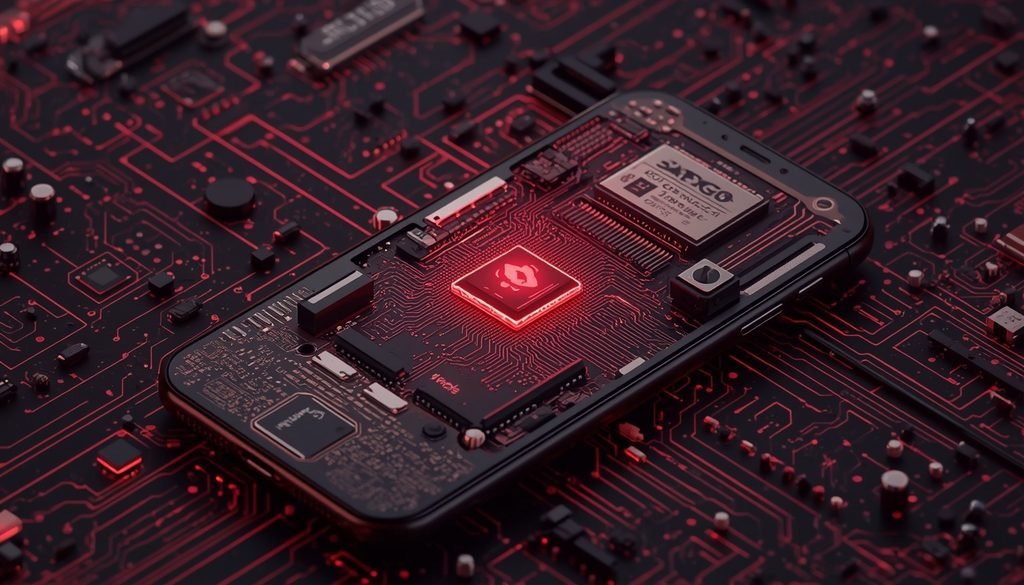
For example a normal security camera might record video. Send it to a cloud service to look at. An Embedded AI camera can look at video inside the camera and spot a person, an object or something odd without having to keep sending all the footage to a faraway server.
This is one of the main ideas behind Embedded AI.
The device becomes more than a simple sensor or data collector. It becomes an intelligent system capable of understanding information and responding to it.
Key Points
- Embedded AI places AI capabilities directly inside devices.
- Data can be processed locally rather than entirely in the cloud.
- AI models are often optimized for limited hardware resources.
- Embedded AI supports faster decision-making.
- It is widely used in IoT, industrial systems, healthcare, robotics, and smart devices.
IEEE describes embedded intelligence as integrating AI and machine-learning capabilities directly into hardware devices so they can perceive, reason, and act without relying entirely on a remote cloud server.
How Embedded AI Works
Embedded AI works by mixing data, AI models, processors and software inside a device.
The exact architecture can vary,. The general process is relatively straightforward.
Step 1: The Device Collects Data
The embedded device receives information from sensors or other inputs.
This information may include:
- Images
- Video
- Audio
- Temperature
- Motion
- Location
- Pressure
- Vibration
- User interactions
For example, a smart factory sensor may continuously collect vibration data from a machine.
Step 2: The AI Model Processes the Data
The AI model analyzes the incoming information.
Instead of applying only predefined rules, the model can identify patterns based on the information it learned during training.
For example, the model may learn the difference between:
- Normal machine vibration
- Unusual vibration
- Potential equipment failure
Step 3: The Device Makes an Inference
An inference is the result produced when a trained AI model processes new data.
The system may determine:
“The equipment is operating normally.”
Or:
“There is a high probability of a fault.”
Step 4: The Device Takes Action
Based on the result, the system can trigger an action.
This may include:
- Sending an alert
- Turning off equipment
- Adjusting a setting
- Unlocking a device
- Activating a safety mechanism
- Recording an event
Step 5: Data Can Also Be Sent to the Cloud
Embedded AI does not mean the cloud disappears.
Many systems use a hybrid approach.
The device handles immediate AI processing, while cloud platforms are used for:
- Model training
- Long-term data storage
- Advanced analytics
- Fleet management
- Software updates
- Monitoring multiple devices
This combination allows businesses to use the advantages of both local and cloud computing.
Embedded AI Workflow
Sensor/Data → AI Model → Local Processing → Inference → Action
A smart camera provides a simple example.
Camera captures video → AI analyzes the image → System identifies an object → Device decides whether the event is important → Alert is triggered
The entire process can happen very quickly and may not require continuous cloud processing.
Embedded AI vs Traditional Cloud AI
The biggest difference between Embedded AI and cloud-based AI is where the AI processing takes place.
| Feature | Embedded AI | Cloud AI |
|---|---|---|
| Processing location | Inside or close to the device | Remote cloud servers |
| Response speed | Very fast | Depends on network |
| Internet dependency | Can operate locally | Often requires connectivity |
| Latency | Low | Higher |
| Data privacy | Data can remain local | Data may be transmitted |
| Bandwidth usage | Lower | Can be higher |
| Computing power | Limited | Very high |
| Best for | Real-time applications | Large-scale AI processing |
Cloud AI remains important for large and complex workloads. However, Embedded AI is particularly useful when decisions need to happen immediately or when transmitting large amounts of data is inefficient.
Recent research on edge-based AI similarly highlights lower latency, reduced bandwidth use, and improved privacy as important advantages of moving AI computation closer to where data is generated.
Why Is Embedded AI Becoming Important?
Several technology trends are making Embedded AI more practical.
The first is the growth of AI hardware. Devices can now include processors and specialized components designed to perform AI tasks more efficiently.
The second is the development of smaller AI models.
Large AI models may require significant computing resources, but techniques such as model optimization, quantization, pruning, and compression can help reduce the hardware requirements for certain AI applications.
The third factor is the rapid growth of connected devices.
IoT environments generate enormous amounts of information. Sending every image, video, or sensor reading to the cloud may increase costs and create unnecessary delays.
Embedded AI allows devices to process important information locally and send only useful results when necessary.
Key Reasons for Embedded AI Growth
- Growing number of IoT devices
- Need for real-time decisions
- Lower latency requirements
- Increased privacy concerns
- Rising cloud data processing costs
- Better AI processors
- More efficient AI models
- Growth of robotics and automation
The Core Components of an Embedded AI System
An Embedded AI system brings together technologies.
1. Sensors
Sensors collect information from the physical environment.
Examples include:
- Cameras
- Microphones
- Temperature sensors
- Motion sensors
- Pressure sensors
- LiDAR
- Accelerometers
Sensors provide the raw data that AI systems analyze.
2. Embedded Processor
The processor performs computing tasks inside the device.
Depending on the application, this may include:
- Microcontrollers
- CPUs
- GPUs
- System-on-Chip platforms
- Neural Processing Units
The choice depends on the complexity of the AI model and the power requirements of the device.
3. AI Model
The AI model is responsible for analyzing data and making predictions or classifications.
Examples include models for:
- Object detection
- Speech recognition
- Anomaly detection
- Image classification
- Predictive maintenance
The model is usually trained before being deployed on the device.
4. Embedded Software
Software connects the AI model with the hardware and the rest of the device.
It manages how data is collected, processed, and used.
5. Output or Action System
Once the AI model produces a result, the device may take action.
For example:
Sensor detects vibration → AI identifies an abnormal pattern → System sends an alert → Maintenance team investigates
This ability to move from data to decision to action is what makes Embedded AI powerful.
Benefits of Embedded AI
1. Faster Decision-Making
One of the biggest benefits of Embedded AI is speed.
The system does not always need to send data to a remote server and wait for a response.
This is particularly important in situations where milliseconds matter.
Examples include:
- Autonomous vehicles
- Industrial safety
- Robotics
- Smart cameras
- Medical monitoring
2. Lower Latency
Latency refers to the delay between receiving data and taking action.
Cloud processing introduces network communication into the process.
Embedded AI can lower this delay by processing information on or near the device. Edge AI deployments are especially useful when real-time decisions cannot wait for round trips.
3. Improved Data Privacy
Not every application needs to send raw data across a network.
For example, a device may analyze sensitive information locally and transmit only the final result. This can help reduce unnecessary data movement.
Privacy remains dependent on the complete system design, but local processing can provide an architectural advantage by reducing the need to transmit raw information continuously.
4. Reduced Bandwidth Usage
Video, images, and sensor data can consume significant bandwidth.
Embedded AI can filter data locally.
For example, instead of uploading 24 hours of security footage, a smart system may transmit only information about detected events.
5. Better Offline Operation
Some devices operate in locations where internet access is unreliable.
Embedded AI allows certain applications to continue functioning locally.
This is useful for:
- Remote industrial sites
- Vehicles
- Agricultural systems
- Smart infrastructure
- Remote monitoring equipment
- 6. Lower Cloud Processing Costs
Processing large volumes of information in the cloud can become expensive. By processing information locally, businesses can reduce the amount of data sent to centralized systems.
Real-World Applications of Embedded AI
1. Embedded AI in Smart Homes
Smart homes increasingly use AI to make devices more responsive.
Examples include:
- Smart cameras
- Voice assistants
- Intelligent thermostats
- Home security systems
- Smart appliances
A smart camera can identify motion patterns locally. A thermostat can learn usage behavior and adjust temperatures more intelligently.
2. Embedded AI in Healthcare
Healthcare devices increasingly require fast and reliable analysis.
Embedded AI can support:
- Wearable monitoring
- Health sensors
- Medical imaging devices
- Patient monitoring
- Early anomaly detection
A wearable device may analyze signals locally and detect patterns that require attention.
This does not mean every device replaces medical professionals. Instead, AI can provide additional monitoring and decision support.
3. Embedded AI in Manufacturing
Manufacturing is one of the most important areas for Embedded AI.
Factories can use intelligent devices for:
- Predictive maintenance
- Quality inspection
- Equipment monitoring
- Robotics
- Safety monitoring
For example, an AI-enabled sensor can monitor equipment vibration and identify patterns associated with potential failure.
This allows businesses to respond before a serious breakdown occurs.
4. Embedded AI in Automotive Systems
Modern vehicles contain large numbers of sensors and computing systems.
Embedded AI can support:
- Driver assistance
- Object detection
- Lane monitoring
- Safety systems
- Predictive maintenance
Because vehicles often require immediate responses, local AI processing can be essential.
5. Embedded AI in Retail
Retail businesses can use Embedded AI for:
- Smart cameras
- Inventory monitoring
- Customer analytics
- Automated checkout
- Loss prevention
Local AI processing can help analyze activity without sending every piece of video data to a central server.
6. Embedded AI in Smart Cities
Cities can use intelligent devices to improve infrastructure.
Applications include:
- Traffic management
- Smart lighting
- Public safety
- Environmental monitoring
- Parking systems
A traffic camera, for example, can analyze local conditions and provide useful information for traffic management.
Embedded AI Use Cases by Industry
| Industry | Embedded AI Application | Business Benefit |
|---|---|---|
| Manufacturing | Predictive maintenance | Reduced downtime |
| Healthcare | Wearable monitoring | Faster detection |
| Automotive | Driver assistance | Improved safety |
| Retail | Smart cameras | Better operations |
| Smart Homes | Intelligent devices | Improved automation |
| Agriculture | Smart sensors | Better resource management |
| Logistics | Asset monitoring | Improved visibility |
| Smart Cities | Traffic analysis | Faster decisions |
Embedded AI vs Edge AI
Embedded AI and Edge AI are closely related, but they are not always exactly the same.
Embedded AI focuses on integrating AI directly into an embedded device or system.
Edge AI is a broader concept involving AI processing at or near the edge of a network.
An edge system may include:
- Embedded sensors
- Smart cameras
- Gateways
- Local servers
- Industrial computing systems
Comparison
| Embedded AI | Edge AI |
|---|---|
| AI inside embedded devices | AI processing near the data source |
| Often highly resource-constrained | Can use more powerful edge hardware |
| Can run on microcontrollers | Can run on gateways or edge servers |
| Focuses on device intelligence | Focuses on decentralized AI processing |
In many real-world environments, Embedded AI becomes one part of a larger Edge AI architecture.
Embedded AI vs TinyML
TinyML focuses on running machine-learning models on very small, low-power hardware such as microcontrollers.
Embedded AI is broader.
An Embedded AI system may use TinyML, but it can also use more powerful processors.
| Embedded AI | TinyML |
|---|---|
| Broad category | Specialized AI approach |
| Can use different hardware levels | Designed for tiny devices |
| May require more computing power | Extremely resource-efficient |
| Supports many embedded applications | Often used for sensors and microcontrollers |
TinyML is therefore an important technology within the broader Embedded AI ecosystem.
How AI Models Fit Inside Small Devices
One of the biggest challenges of Embedded AI is that devices have limited resources.
A cloud server may have access to significant computing power.
A small device may have limited:
- Memory
- Storage
- Battery power
- Processing capacity
Therefore, AI models often need optimization before deployment.
1. Quantization
Quantization reduces the numerical precision used by a model.
This can help reduce memory and computing requirements.
2. Pruning
Pruning removes unnecessary parts of a model.
The goal is to make the model smaller and more efficient.
3. Knowledge Distillation
A smaller model learns from a larger model.
This can help create a compact model for deployment on constrained hardware.
4. Hardware Acceleration
Specialized processors can perform AI operations more efficiently.
These approaches are helping make AI practical across increasingly smaller devices.
Challenges of Embedded AI
Embedded AI provides many benefits, but implementation also creates challenges.
1. Limited Hardware Resources
Small devices cannot always run complex AI models.
Businesses must carefully balance accuracy and performance.
2. Power Consumption
Battery-powered devices need efficient AI processing.
High computing requirements can reduce battery life.
3. Model Updates
AI models may need to be updated after deployment.
Managing large numbers of distributed devices can become complex.
4. Security Risks
Embedded devices may operate in physical locations that are easier to access than centralized cloud servers.
Security needs to address both software and physical risks.
5. Data Quality
An AI model is only as useful as the data used to develop and test it.
Poor data can lead to poor decisions.
6. Integration Complexity
Embedded AI requires hardware, software, AI, and operational systems to work together.
This can make development more complex.
Embedded AI Challenges and Solutions
| Challenge | Potential Approach |
|---|---|
| Limited memory | Model compression |
| Low processing power | Lightweight AI models |
| Battery limitations | Efficient AI hardware |
| Security risks | Device security and encryption |
| Model updates | Remote device management |
| Connectivity issues | Local processing |
| Deployment complexity | Edge AI platforms |
| Accuracy concerns | Continuous testing and monitoring |
How Businesses Can Start Using Embedded AI
Businesses do not always need to build a complete AI system immediately.
A practical approach begins by identifying where local intelligence would create the greatest value.
Step 1: Identify the Problem
Ask:
- Does the process require real-time decisions?
- Is cloud latency a problem?
- Does the application generate large amounts of data?
- Is internet connectivity unreliable?
- Is sensitive data involved?
Step 2: Evaluate Hardware
Determine whether the device needs:
- A microcontroller
- A processor
- An AI accelerator
- An NPU
- An edge computing platform
- Step 3: Select an AI Model
Choose a model that matches the specific problem. Avoid using an unnecessarily large model for a simple task.
Step 4: Optimize the Model: Reduce the model size and resource requirements when necessary.
Step 5: Test in Real Conditions: Testing should consider actual operating conditions rather than only laboratory environments.
Step 6: Monitor Performance
After deployment, businesses should monitor:
- Accuracy
- Response time
- Power consumption
- Hardware performance
- Model reliability
The Future of Embedded AI
The future of Embedded AI is closely connected with the growth of:
- IoT
- Edge computing
- Robotics
- Smart manufacturing
- Autonomous systems
- Wearable technology
- AI hardware
The technology is moving toward a future where intelligence is increasingly distributed across physical systems.
Instead of sending every piece of information to one centralized cloud environment, more devices will be able to process information where it is created.
Recent research and industry activity show continued investment in smaller AI models, specialized hardware, and decentralized AI architectures.
This does not mean cloud AI will disappear.
A more likely direction is a hybrid AI architecture.
Devices will handle immediate tasks locally, while cloud systems will continue supporting large-scale training, centralized analytics, and management.
Conclusion
Embedded AI is changing the way smart devices interact with the world. Instead of acting only as tools that collect data and send it to centralized cloud systems, devices can increasingly analyze information, recognize patterns, make decisions, and trigger actions locally.
This shift is important because many modern applications cannot depend entirely on remote processing. A factory system may need to detect a problem immediately. A vehicle may need to respond in real time. A wearable device may need to process information continuously. In these situations, sending every piece of data to the cloud can introduce delays, increase bandwidth requirements, and create operational challenges.
Embedded AI offers another way by putting thinking close to where the data comes from. When combined with AI models, special hardware and edge computing it can help make systems faster and more reliable.. Companies also have to deal with issues like limited hardware using less energy keeping things safe managing models and making everything work together.
The future of AI is unlikely to exist only inside massive data centers. Increasingly, intelligence will also exist inside the cameras, sensors, machines, vehicles, wearables, and smart devices that interact with the physical world every day. As Embedded AI technology continues to improve, smart devices will become not only more connected but also more capable of understanding and responding to the environments around them.
FAQs
1. What is Embedded AI?
Embedded AI is the integration of artificial intelligence and machine-learning capabilities directly into devices or embedded systems. It enables devices to analyze data and perform intelligent tasks locally.
2. How does Embedded AI work?
Embedded AI collects data through sensors or other inputs, processes that information using an AI model, generates an inference, and then performs an action or sends a result.
3. What is the difference between Embedded AI and Edge AI?
Embedded AI usually refers to AI integrated directly into an embedded device. Edge AI is broader and includes AI processing across devices, gateways, and other infrastructure located close to the data source.
4. What are examples of Embedded AI?
Examples include smart cameras, wearable health devices, industrial sensors, autonomous systems, intelligent appliances, robotics, and driver-assistance technologies.
5. Why is Embedded AI important?
Embedded AI supports faster decision-making, lower latency, reduced bandwidth use, improved offline operation, and more localized data processing.
6. Does Embedded AI require the cloud?
Not always. Some Embedded AI systems can operate locally. However, many use a hybrid model in which local devices perform real-time inference while cloud platforms support training, storage, analytics, and management.
7. What is TinyML?
TinyML is a specialized approach for running machine-learning models on very small and power-efficient devices, such as microcontrollers.
8. What are the biggest challenges of Embedded AI?
Major challenges include limited processing power, memory limitations, power consumption, device security, model updates, integration complexity, and maintaining reliable AI performance.
9. Which industries use Embedded AI?
Embedded AI is used in manufacturing, healthcare, automotive, retail, agriculture, logistics, smart homes, and smart city applications.