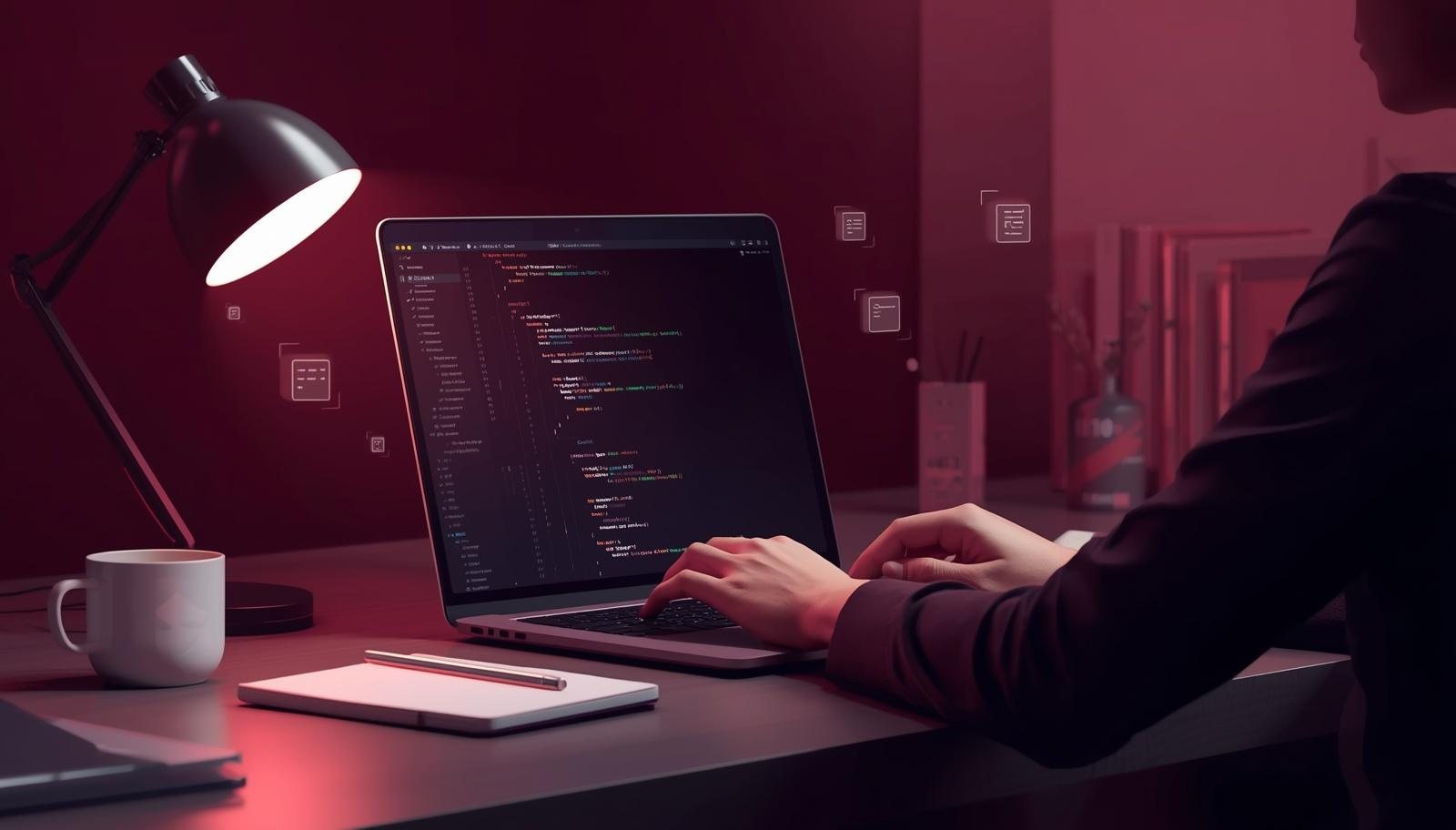
The idea that you must go to school for computer science to become a web developer is not true anymore. This idea is actually becoming old. Nowadays many successful web developers are completely self-taught. They did not go to school for computer science. Instead they learned by building web projects solving problems and getting better at web development over time.
With the rise of learning platforms coding tutorials and open-source resources anyone who is dedicated and consistent can become a web developer. What is important now is not a degree in computer science. Your ability to create functional and user-friendly websites and web applications. Employers care more about what you can do as a web developer than where you went to school.
If you want to know how to become a web developer without going to school and still get your job as a web developer you are in the right place. This guide will help you with the process. From learning the basics of web development to building real-world projects and eventually getting a job, as a web developer.
This guide will not confuse you with a lot of theory. It will focus on steps that you can follow to become a web developer. You will learn what skills to focus on as a web developer, how to practice effectively as a web developer and how to show your work to employers as a web developer. Think of this guide as a map that makes the process simpler and helps you stay on track to become a web developer.
Why You Don’t Need a Degree for Web Development
The tech industry prioritizes skills, problem-solving ability, and real projects over formal education.
Key Reasons:
- Companies focus on what you can build, not your degree
- Many developers are self-taught or career switchers
- Online learning resources are more accessible than ever
- Remote jobs open global opportunities
What Employers Actually Look For:
- Strong portfolio
- Practical coding skills
- Ability to solve problems
- Basic understanding of tools and workflows
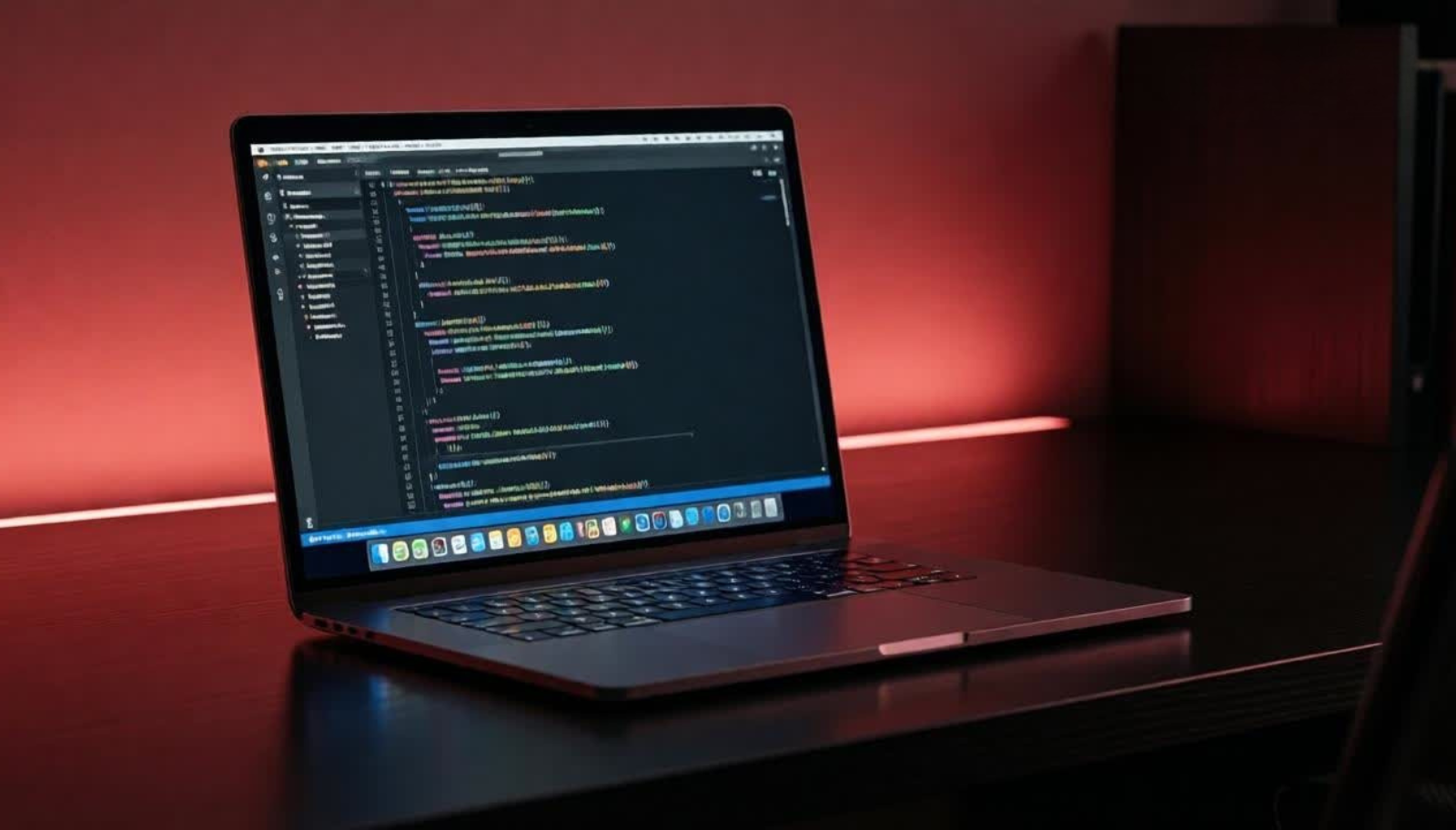
Essential Skills You Need to Learn
To do a job in web development you need to know about the frontend the backend and some other important tools. Web Development is what we are talking about here.
Frontend Development Skills
- HTML it is what makes the structure of web pages.
- CSS it is used for styling. Making the layout of web pages look good. CSS also helps with responsiveness.
- JavaScript it is what makes web pages interactive. It is used for logic. JavaScript is a part of frontend development.
Backend Development Skills
- Node.js or Python – Server-side programming
- Databases – MongoDB, MySQL
- APIs – Connecting frontend and backend
Must-Have Tools
You need to have Git and GitHub these are used for version control. Git and GitHub are tools for web development. You also need a code editor, like VS Code it is a tool for writing code. And you have to know about Browser DevTools they are very useful, for web development. Browser DevTools are tools.
Web Development Roadmap (Beginner to Job Ready)
| Stage | Focus Area | Skills to Learn | Tools |
|---|---|---|---|
| Beginner | Basics | HTML, CSS, JavaScript | VS Code |
| Intermediate | Frontend | React, APIs | GitHub |
| Advanced | Backend | Node.js, Databases | Postman |
| Job Ready | Projects | Full-stack apps | Deployment tools |
Step-by-Step Plan to Become a Web Developer
Step 1: Learn the Fundamentals
Start with the core technologies:
- Build simple static web pages
- Understand layouts and responsiveness
- Practice JavaScript basics
Focus on practice, not just theory
Step 2: Build Small Projects
Projects are critical because they:
- Improve your skills
- Show your abilities to employers
- Help you learn faster
Beginner Project Ideas:
- Personal portfolio website
- Landing page design
- Calculator app
- To-do list app
Step 3: Learn Modern Frameworks
Once comfortable with basics, move to frameworks:
- React (most popular)
- Vue (beginner-friendly)
Frameworks help you:
- Build faster
- Write cleaner code
- Create professional applications
Step 4: Learn Backend Development
Understanding backend makes you more valuable.
Key concepts:
- Server logic
- Databases
- Authentication
Step 5: Build Real-World Projects
Create projects that solve real problems.
Examples:
- E-commerce website
- Blog platform
- Job board app
Best Tools for Web Developers
| Tool | Purpose | Why It Matters |
| VS Code | Code editor | Fast and flexible |
| GitHub | Version control | Showcase projects |
| Chrome DevTools | Debugging | Fix issues quickly |
| Netlify/Vercel | Deployment | Publish websites |
How to Build a Strong Portfolio
Your portfolio is your most important asset.
What to Include:
- 3–5 high-quality projects
- Live demo links
- Clean and responsive design
- GitHub repository links
Tips:
- Focus on quality over quantity
- Add real-world functionality
- Keep design simple and professional

How to Get Your First Web Developer Job
Getting your first job is the hardest part—but very achievable.
1. Apply Strategically
- Use job platforms like LinkedIn and Indeed
- Apply consistently (daily)
- Customize your resume
2. Network Effectively
- Connect with developers on LinkedIn
- Join communities and forums
- Engage with content
3. Start Freelancing
- Platforms: Upwork, Fiverr
- Build small client projects
- Gain experience and testimonials
Mistakes People Make:
If you do not want to waste time and get really annoyed then you should avoid these things:
- Learning something without actually making something with it like a project
- Trying to learn too many different technologies all at the same time
- Not paying attention to the basics, which are really important
- Not practicing every day or at least on a regular basis
Pasting code from somewhere, without taking the time to understand what the code is actually doing which is a big mistake when it comes to coding and learning how to code and also with coding in general and coding projects and coding fundamentals and coding consistently and coding with code that you understand, like when you are coding and you use code that you have written yourself and you understand what the code is doing which is very important when it comes to coding and coding projects and coding in general.
Salary Expectations:
| Experience Level | Average Salary |
| Beginner | $40,000 – $60,000 |
| Intermediate | $60,000 – $90,000 |
| Advanced | $90,000+ |
What Programming Language Should You Learn First?
Why This Matters
When people are just starting out they often get confused about how to begin. Picking the programming language can save you a lot of time. Learning the programming language is really important.
Simple Explanation
If you want to become a web developer you do not need to learn everything all at.
Start with the programming language JavaScript because the programming language JavaScript is used everywhere in web development.
Easy Breakdown:
- JavaScript – the programming language JavaScript is used for both the frontend and the backend
- Python – the programming language Python is great for beginners and backend work
- PHP – the programming language PHP is common, in websites
Quick Comparison:
| Language | Easy to Learn | Best For |
|---|---|---|
| JavaScript | Medium | Full web development |
| Python | Easy | Backend |
| PHP | Easy | Websites |
Freelancing versus a job: what is the choice for you?
Why this is important to think about.
A lot of people who are just starting out want to know if they should get a job, with a company or try freelancing. This is something that can be confusing.
Let us break it down in a way. Both choices are okay. They are not the same.
If you decide to do freelancing:
- You work for yourself
- You can choose when you want to work
- The money you make is not always the same
If you decide to get a full-time job:
- You get a salary that does not change
- You have work
- You can learn things from the people you work with
Simple Comparison:
| Feature | Freelancing | Job |
|---|---|---|
| Income | Not fixed | Fixed |
| Freedom | High | Limited |
| Security | Low | High |
Important Soft Skills Every Developer Needs
Why This Matters
Coding is important, but soft skills help you grow faster in your career.
Simple Explanation
To succeed, you need more than just technical knowledge.
Key Skills:
- Communication – Explain your work clearly
- Problem-solving – Fix issues quickly
- Time management – Meet deadlines
- Adaptability – Learn new tools easily
How to Create a Portfolio That Gets You Hired

Why This Matters
Your portfolio shows your real skills. It can help you get a job even without a degree.
Simple Explanation
Instead of telling employers what you know, show them what you can build.
What to Include:
- 3–5 strong projects
- Live website links
- Clean and simple design
Project Ideas:
- Personal portfolio website
- To-do app
- API-based project
How to Find Remote Web Developer Jobs
Why This Matters
Many people want to work from home as a web developer.
Simple Explanation
Remote jobs allow you to work with companies from anywhere in the world.
Where to Find Jobs:
- Remote job websites
- Freelance platforms
Tips to Get Hired:
- Build a strong profile
- Show your projects
- Apply regularly
Tips to Learn Faster and Stay Consistent
- Practice daily (even 1–2 hours)
- Follow a structured roadmap
- Build projects regularly
- Learn by doing, not watching
- Track your progress
Challenges in Web Development
Why This Section Matters
These are the problems beginners and developers are facing right now.
Common Challenges Today
- Too much information online
There are thousands of tutorials, which makes it hard to choose what to learn. - Lack of consistency
Many beginners start strong but stop practicing after a few weeks. - Understanding concepts deeply
Copying code is easy, but truly understanding it takes time. - No real projects
Learning without building projects makes it hard to get a job. - Job competition
Many people are learning web development, increasing competition.
Future Opportunities in Web Development
Why This Matters
The future of web development is really exciting. There are lots of chances for growth new ideas and opportunities. For people starting out this means more chances to learn make money and have a great career in web development.
High Demand for Web Developers
More and more businesses are going online. This means they need web developers. The demand for web developers is going to keep growing.
More Remote Work Opportunities
Companies are hiring web developers from over the world. You can work from home or anywhere with internet. This is really great for web developers.
Rise of AI as a Helper
AI tools are making it easier to develop websites. They help with coding, finding bugs and design. This makes it easier for web developers to get their work done.
Better Learning Resources
There are free and paid courses, tutorials and communities. These help people learn web development. Web development is a field that is always changing.
Freelancing and Passive Income
Web developers can make money by freelancing. They can also sell website templates. Build online products. This gives web developers a lot of freedom.
New Technologies and Innovation
New technologies like Web3, cloud computing and advanced frameworks are emerging. These are creating career paths for web developers. Web development is a field to be, in.
Conclusion:
Becoming a web developer without a degree is a way to have a successful career. You can do this because there are online resources and real-world projects to work on. If you are dedicated you can become a web developer.
The important thing is that you have web developer skills and you keep working on projects all the time. You need to make a plan, for what you want to learn and practice every day. If you do this you will become more confident. You will get more experience. This will help you get your job as a web developer.
It may be hard sometimes. Every little thing you do will help you reach your goal. Just be patient. Keep learning web developer skills. Do not look at what other web developersre doing and compare yourself to them.
FAQS:
1. Can I become a web developer without a degree in web development?
Yes you can become a web developer without a degree. A lot of web developers are self-. They get hired because of their web development skills and the projects they have worked on and their portfolio not because they have a degree in web development.
2. How long does it take to become a web developer?
It really depends on how consistent you’re how fast you learn web development. You can learn the web development skills in about three to six months. If you want to be ready for a web development job it will take six to twelve months.
3. What skills are required for web development?
To do web development you need to know
- HTML
- CSS
- JavaScript
- a bit, about frameworks
- how to solve problems
- Git and GitHub.
4. Do I need to learn both frontend and backend web development?
No you do not need to learn both frontend and backend web development at the time. You can start with frontend web development. Then learn backend web development later to become a full-stack web developer.
5. Is web development a career?
Yes web development is a career. Web development is in demand and web developers get paid well. You can also work from home as a web developer. There are a lot of opportunities to grow as a web developer.