
Skip to content
SUBSCRIBE
  • Technology
    download (74)
    Technology
    Infor CloudSuite Distribution Enterprise bringt Flexibilitt, Modernisierung und die neuesten Technologien zu Cellnet
    July 9, 2025
    Saurav Dhawale
    No posts found
    download - 2025-07-11T182241
    Technology
    SMB SOLUTIONS: HPE VIRTUAL DESKTOP INFRASTRUCTURE
    The Rise of Big Data in Fleet Management
    Technology
    The Rise of Big Data in Fleet Management
    Intelligent Choice: The Business Benefits of Using RingCentral
    Technology
    Intelligent Choice: The Business Benefits of Using RingCentral
    No posts found
    View All
  • HRTech
    download 20
    Hrtech
    The SUSE Guide to Edge Computing in a Cloud Native World 2022
    July 10, 2025
    Saurav Dhawale
    No posts found
    How Texting Helps Utilities Save Money and Boost Customer Satisfaction
    Hrtech
    How Texting Helps Utilities Save Money and Boost Customer Satisfaction
    Comprehensive Student Management – Stream line Administration and Enhance Student Success
    Hrtech
    Comprehensive Student Management – Streamline Administration and Enhance Student Success
    download 6
    Hrtech
    2023 Executive Survey: The power of mobilizing the boundless workforce - On-Demand Webinar
    No posts found
    View All
  • Finance
    download 15
    Finance
    The state of AI-powered business transformation in banking
    July 10, 2025
    Saurav Dhawale
    No posts found
    download 8
    Finance
    Modernize Your Infrastructure, Apps and Security with VMware Cloud Foundation and Unlock Real Business Value
    Modernize Customer Experiences
    Finance
    Modernize Customer Experiences: A Salesforce for State and Local Government
    IT-Modernisierung leicht gemacht: Cloud-Integration fr alle Workloads
    Finance
    IT-Modernisierung leicht gemacht: Cloud-Integration fr alle Workloads
    No posts found
    View All
  • Marketing
    Securing Operations for Consumer Packaged Goods
    Marketing
    Securing Operations for Consumer Packaged Goods
    January 20, 2026
    Saurav Dhawale
    No posts found
    download (27)
    Marketing
    How grocers are growing their retail media networks
    6 Ways ERP Systems Supercharge Construction Cash Flow
    Marketing
    6 Ways ERP Systems Supercharge Construction Cash Flow
    Screenshot-2026-01-16-195020
    Marketing
    The Operational Efficiency of Hybrid Cloud Deployments and Management
    No posts found
    View All
  • Resources
    • Web Development
    • Technology 2025
    • Supply Chain
    • Storage
    • Security
    • Networking And Communication
    • MSP
    • Library
    • IT Security
    • IT Management
    • IT Infrastructure
    • IOT
    • Global Trade
    • Stock Market
    • Insurances
    • Banking
    • Finance 2025
    • ERP
    • Ecommerce
    • Ebook
    • Digital Advertising
    • Data Security
    • Data Management
    • Content Marketing
    • Cloud Migration
    • Cloud Computing
    • Big Data
    • B2B Marketing
    • Audit And Compliance
    • Artificial Intelligence
    • Application Development
    • API
    • Analytics
    • Abm Marketing
  • Contact
  • About
    • Privacy Policy
    • Terms of Use
    • Cookies Notice
  • work-with-us
    • Advertise With-Us
  • Technology
    NIS2 Compliance: A Supply Chain Risk Management Playbook
    Technology
    NIS2 Compliance: A Supply Chain Risk Management Playbook
    January 30, 2026
    Saurav Dhawale
    No posts found
    Turn your data into dollars
    Technology
    Turn your data into dollars
    Success in the New World of Work Starts with a Digital Collaboration Strategy
    Technology
    Protecting Your C-Store Against the Hidden Costs of Compliance Violations
    download - 2025-07-11T145547
    Technology
    Responsible Printing for a Better Planet
    No posts found
    View All
  • HRTech
    O Total Econômico ImpactoDa VMware ™ Carbon Black Cloud Economia de custos e benefícios comerciais possibilitados pela Carbon Black Cloud
    Hrtech
    O Impacto Econômico Total™ da VMware Carbon Black Cloud Economia de custos e benefícios comerciais possibilitados pela Carbon Black Cloud
    January 30, 2026
    Saurav Dhawale
    No posts found
    A Survey Of 900 Tech Leaders Reveals Hybrid Cloud Is The Most Effective, Long-Term Strategy
    Hrtech
    A Survey Of 900 Tech Leaders Reveals Hybrid Cloud Is The Most Effective, Long-Term Strategy
    photo
    Hrtech
    A CIO'S Guide to Navigating the Boardroom
    Embedding AI Into Technology Strategy: Five Steps to Impact
    Hrtech
    Embedding AI Into Technology Strategy: Five Steps to Impact
    No posts found
    View All
  • Finance
    COMPREHENSIVE GUIDE TO SECURITY OPERATIONS
    Finance
    Comprehensive Guide to Security Operations
    January 21, 2026
    Saurav Dhawale
    No posts found
    A CFOs Playbook to Transform the Indirect Tax Function
    Finance
    A CFOs Playbook to Transform the Indirect Tax Function
    Equinix Experiences Strong Growth Driven by AI, Hyperscale, and Digital Infrastructure
    Finance
    Equinix Experiences Strong Growth Driven by AI, Hyperscale, and Digital Infrastructure
    THE PLATFORM WITH UNMATCHED FUNCTIONALITY FIS® Payments One Credit
    Finance
    THE PLATFORM WITH UNMATCHED FUNCTIONALITY FIS® Payments One Credit
    No posts found
    View All
  • Marketing
    Screenshot-2026-01-16-195020
    Marketing
    The Operational Efficiency of Hybrid Cloud Deployments and Management
    January 16, 2026
    Saurav Dhawale
    No posts found
    “Retailers Are Missing Key Profitability Opportunities – Are You?”
    Marketing
    “Retailers Are Missing Key Profitability Opportunities – Are You?”
    DORA Compliance: Strategies for Securing the Financial Sector’s ICT Supply Chain
    Marketing
    The European Supply Chain Battlefield: Cybersecurity, National Defense, and the NIS2 Regulation
    The Wise Guide: The Do’s and Don’ts of Data Storage From Our Customers Point of View
    Marketing
    The Wise Guide: The Do’s and Don’ts of Data Storage From Our Customers Point of View
    No posts found
    View All
  • Resources
    • Web Development
    • Technology 2025
    • Supply Chain
    • Storage
    • Security
    • Networking And Communication
    • MSP
    • Library
    • IT Security
    • IT Management
    • IT Infrastructure
    • IOT
    • Global Trade
    • Stock Market
    • Insurances
    • Banking
    • Finance 2025
    • ERP
    • Ecommerce
    • Ebook
    • Digital Advertising
    • Data Security
    • Data Management
    • Content Marketing
    • Cloud Migration
    • Cloud Computing
    • Big Data
    • B2B Marketing
    • Audit And Compliance
    • Artificial Intelligence
    • Application Development
    • API
    • Analytics
    • Abm Marketing
  • Contact
  • About
    • Privacy Policy
    • Terms of Use
    • Cookies Notice
  • work-with-us
    • Advertise With-Us
Home » Archives for » Page 3
Author

ailcia sierra

ailcia sierra

B2B marketing

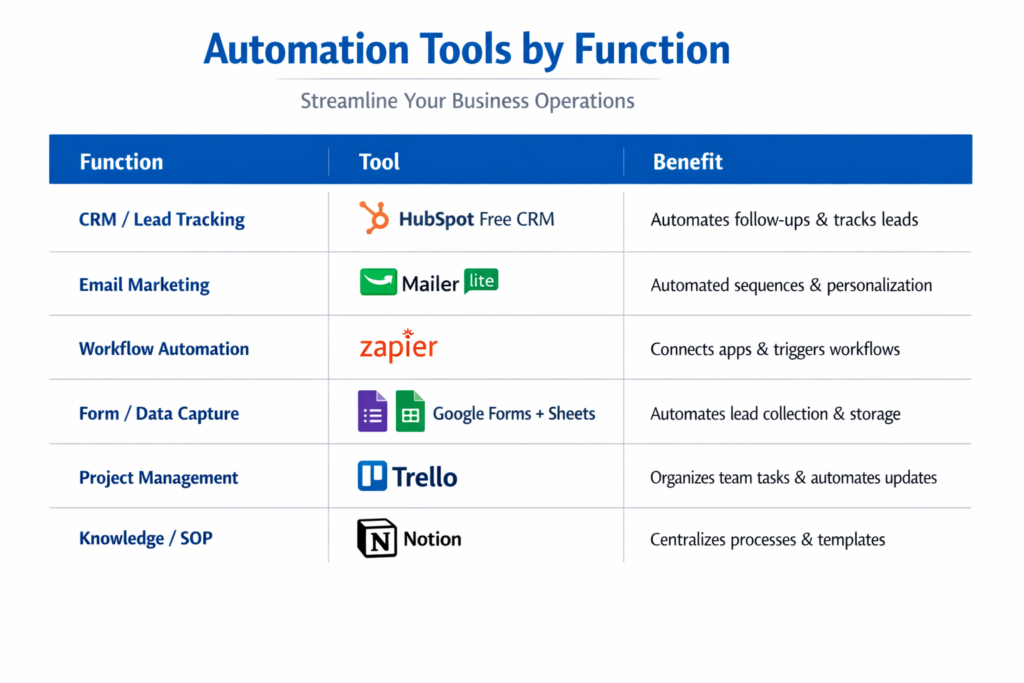
Best B2B Sales Automation Tools and Platforms Businesses Should Consider

by ailcia sierra July 16, 2026
written by ailcia sierra

The way companies sell to companies has changed a lot in the last few years. Companies are not just using the ways of selling like making cold calls looking up information about potential customers by hand and keeping track of leads in spreadsheets. Today buyers want to hear from companies quickly they want the company to talk to them in a way that feels personal and they want to have good interactions with the company when they are buying something.

As more companies try to sell to the customers companies need to find better ways to manage the people who might buy from them make their sales teams more productive and make sure they have a steady stream of money coming in. This is where B2B Sales Automation Tools come in. They are a part of how companies sell to other companies now.

B2B Sales Automation Tools help companies make their sales process simpler by automating tasks that are done over and over organizing information about customers making communication better and giving companies information about how their sales are going. These tools let sales teams spend time doing paperwork and more time getting to know the people who might buy from them.

For example things, like sending emails to follow up with someone updating what you know about a customer, scheduling meetings keeping track of what you have talked about with someone and managing the process of selling to someone can take up a lot of time every week if you do it all by hand. B2B Sales Automation Tools do all these things for you so everything gets done faster and more efficiently.

What Are B2B Sales Automation Tools?

B2B Sales Automation Tools are software solutions that help automate sales activities. These tools help sales teams manage leads communicate with prospects track opportunities and improve sales efficiency.

In sales reps spend a lot of time on repetitive tasks. These tasks are necessary. They reduce time for important tasks like customer conversations and closing deals. Sales automation platforms solve this problem by automating workflows.

What Are B2B Sales Automation Tools?

For example, when a potential customer fills out a contact form on a company website, a sales automation system can automatically:

  • Capture customer information
  • Add the lead to the CRM
  • Assign the lead to a salesperson
  • Send an initial personalized message
  • Schedule future follow-ups
  • Track customer engagement

This creates a smoother experience for both sales teams and customers.

Unlike basic productivity tools, modern B2B Sales Automation Platforms combine multiple capabilities such as CRM management, artificial intelligence, analytics, email automation, lead scoring, and sales forecasting.

Traditional Sales ProcessB2B Sales Automation Process
Manual lead entryAutomatic lead capture
Individual follow-upsAutomated communication sequences
Spreadsheet trackingCentralized CRM management
Limited customer insightsData-driven sales intelligence
Manual reportingAutomated dashboards
Reactive decision-makingPredictive sales insights

The goal of sales automation is not to remove human interaction from sales. Instead, it helps sales professionals work more efficiently by providing better tools, information, and workflows.

Why Businesses Need B2B Sales Automation Platforms

The way people buy things is changing because of the internet. That is making things tough for B2B sales teams. Now companies get people who’re interested in their products from all over the place like their websites, social media, emails, webinars, online events and content marketing.

It can get really hard to keep track of all these people who’re interested in what they have to offer.

A sales team may struggle with questions such as:

  • Which leads should be contacted first?
  • Which prospects are showing buying interest?
  • When should follow-ups happen?
  • Which communication strategy works best?
  • How is the sales pipeline performing?

Without proper automation, businesses may lose valuable opportunities because of slow responses, inconsistent communication, or poor data management.

B2B Sales Automation Platforms provide a structured approach to solving these challenges.

They help businesses create a connected sales ecosystem where customer information, communication, and performance data are available in one place.

Improving Sales Productivity Through Automation

Sales productivity is a reason why companies use automation technology. Sales people usually spend a lot of time at work doing things that are not actually selling like updating records and preparing reports and organizing customer information and sending the messages over and over.

Automation helps with this workload. Lets sales people focus on the things that really affect how much money they make. For example sales automation can send emails to customers for you so you do not have to send follow up emails to hundreds of customers by hand. Sales automation platforms can create email sequences that are personalized. That automatically send emails to Sales Productivity customers based on what they do. This way Sales Productivity improves because sales people can spend their time on Sales Productivity activities that really matter.

Sales ActivityManual ApproachAutomation Approach
Lead managementManaged through spreadsheetsManaged through CRM workflows
Email outreachSent individuallyAutomated sequences
Customer trackingRequires manual updatesReal-time tracking
Sales reportsCreated manuallyAutomated analytics
Follow-upsDepends on remindersTrigger-based communication

By improving productivity, sales automation enables teams to manage more opportunities without increasing workload.

How B2B Sales Automation Tools Help with Lead Management

Lead management is super important for businesses. It is one area where automation really helps. A good B2B sales process starts with finding customers. You need to understand what they need. Then you guide them through the buying process.

Not all leads are the same. Some people are just looking around for solutions. Others are ready to buy. B2B Sales Automation Tools help businesses sort and prioritize leads. They use data to make decisions.

These platforms can analyze:

Lead DataBusiness Value
Website visitsShows customer interest
Email engagementMeasures communication response
Content downloadsIndicates buying intent
Company detailsDetermines customer fit
Previous interactionsProvides sales context

This allows sales teams to focus their attention on prospects that have a higher chance of conversion.

For example, if a prospect repeatedly visits pricing pages, downloads product guides, and interacts with sales emails, the automation system can identify this behavior and increase the lead priority.

This creates a more efficient sales process where representatives spend their time on valuable opportunities.

The Role of CRM in B2B Sales Automation

Customer Relationship Management systems play a role in modern sales automation.

A CRM platform helps businesses keep track of customer information. This makes it easier to understand every interaction with customers throughout the sales journey. When you combine CRM with automation it becomes more powerful.

Instead of simply storing customer information, automated CRM platforms can:

  • Trigger follow-up actions
  • Assign leads automatically
  • Track customer activities
  • Generate sales reports
  • Provide performance insights

A connected CRM helps sales teams maintain a complete view of customer relationships.

CRM Automation FeatureBusiness Impact
Automated lead assignmentFaster response time
Customer activity trackingBetter understanding of prospects
Pipeline managementImproved deal visibility
Automated remindersFewer missed opportunities
Sales analyticsBetter decision-making

Businesses that integrate CRM with sales automation can create a more organized and scalable sales operation.

Key Features to Look for in B2B Sales Automation Tools

Selecting the right automation platform requires understanding which features provide real business value.

Not every tool offers the same capabilities. Businesses should evaluate platforms based on their sales goals and operational requirements.

The most important features include:

FeatureWhy It Matters
CRM IntegrationKeeps customer information organized
Email AutomationImproves outreach efficiency
Lead ScoringIdentifies valuable prospects
Workflow AutomationReduces repetitive tasks
Analytics DashboardProvides performance insights
AI CapabilitiesEnables smarter recommendations

A good B2B Sales Automation Platform should support current business needs while also allowing future growth.

Key Features to Look for in B2B Sales Automation Tools

Top B2B Sales Automation Tools and Platforms

Choosing the B2B Sales Automation Tools is very important for a companys sales process. It can make a difference in how well a company manages its sales.

The best tool for a business depends on its sales model. It also depends on the customer base, industry and growth stage of the business.

Some businesses need a customer management solution. This solution should have automation features. Other businesses focus on generating leads. They also focus on engaging with sales and using intelligence for insights.

A good sales automation platform should help businesses with the customer journey. This journey starts with finding customers. It ends with making them long-term customers.

Modern platforms combine multiple technologies, including:

  • Customer relationship management
  • Email automation
  • Lead scoring
  • Artificial intelligence
  • Sales analytics
  • Workflow automation
  • Pipeline management

Below are some of the most popular B2B Sales Automation Platforms that businesses use to improve sales performance.

1. HubSpot Sales Hub

    HubSpot Sales Hub is one of the widely used sales automation platforms for businesses looking to combine CRM capabilities with sales automation.

    It provides tools that help sales teams manage contacts, automate communication, track deals, and improve customer relationships.

    HubSpot is especially popular among startups, small businesses, and growing companies because of its user-friendly interface and scalable features.

    HubSpot Sales Hub FeatureBusiness Benefit
    CRM ManagementCentralized customer information
    Email SequencesAutomated prospect communication
    Deal PipelineBetter opportunity tracking
    Reporting DashboardSales performance insights
    Workflow AutomationReduced manual tasks

    HubSpot is a strong choice for companies that want an easy-to-use platform with marketing, sales, and customer management capabilities in one ecosystem.

    2. Salesforce Sales Cloud

    Salesforce Sales Cloud is one of the most recognized enterprise-level CRM and sales automation platforms.

    Large organizations often choose Salesforce because of its advanced customization options, powerful analytics, and ability to handle complex sales operations.

    The platform provides automation capabilities that help companies manage large customer databases, multiple sales teams, and complicated buying processes.

    Salesforce uses artificial intelligence through its Einstein AI capabilities to provide predictive insights and recommendations.

    Businesses can use Salesforce for:

    • Lead management
    • Opportunity tracking
    • Sales forecasting
    • Customer analytics
    • Workflow automation
    • Account management
    Salesforce CapabilityImpact on Business
    AI-powered insightsBetter sales predictions
    Advanced CRMComplete customer visibility
    Automation workflowsImproved efficiency
    Sales forecastingMore accurate planning
    Custom dashboardsData-driven decisions

    Salesforce is generally preferred by enterprises that require a highly customizable sales automation environment.

    3. Zoho CRM

    Zoho CRM is a popular choice for businesses looking for affordable and flexible sales automation solutions.

    The platform provides automation features that help companies manage leads, automate workflows, track customer interactions, and improve sales productivity.

    Zoho CRM is commonly used by small and medium-sized businesses because it provides strong functionality at a competitive cost.

    The platform helps sales teams automate tasks such as:

    • Lead assignment
    • Email notifications
    • Follow-up reminders
    • Sales reports
    • Customer segmentation
    Zoho CRM FeatureValue for Businesses
    Workflow automationReduces repetitive activities
    Lead scoringIdentifies better opportunities
    AnalyticsTracks sales performance
    Contact managementOrganizes customer data
    AI assistantProvides sales insights

    Zoho CRM is suitable for businesses that want effective automation without investing in complex enterprise solutions.

    4. Pipedrive

    Pipedrive is a sales-focused CRM platform designed around pipeline management and deal tracking.

    Unlike some platforms that focus on multiple business functions, Pipedrive mainly focuses on helping sales teams manage opportunities effectively.

    The platform provides a visual sales pipeline that allows representatives to understand where each deal stands.

    Pipedrive helps businesses automate:

    • Sales activities
    • Follow-up reminders
    • Deal tracking
    • Communication workflows
    • Reporting
    Pipedrive FeatureSales Advantage
    Visual pipelineEasy opportunity management
    Activity remindersBetter follow-up consistency
    Automation workflowsSaves sales time
    Reporting toolsTracks performance
    Email integrationImproves communication

    Pipedrive is a good option for sales teams that want a simple and efficient way to manage their sales pipeline.

    5. Outreach

    Outreach is a sales engagement platform designed to help businesses improve prospect communication and sales productivity.

    It focuses on helping sales teams create structured outreach campaigns across multiple channels.

    The platform enables businesses to automate:

    • Email sequences
    • Prospect engagement
    • Sales communication
    • Follow-up activities
    • Performance analysis

    Outreach is commonly used by B2B companies that have dedicated sales development teams.

    Outreach FeatureBusiness Impact
    Sales sequencesConsistent prospect communication
    Engagement trackingUnderstand customer interest
    AnalyticsImprove outreach strategy
    Workflow automationIncrease productivity

    For businesses focused on outbound sales, Outreach provides powerful capabilities for managing large-scale prospect engagement.

    6. Apollo.io

    Apollo.io combines sales intelligence with automation capabilities, making it a popular platform for prospecting and outbound sales activities.

    The platform provides access to business contact data and helps sales teams discover potential customers.

    Apollo.io helps businesses with:

    • Prospect research
    • Email outreach
    • Lead generation
    • Contact management
    • Sales engagement
    Apollo.io FeatureBenefit
    Prospect databaseFind potential customers
    Email automationImprove outreach speed
    Contact filteringTarget better prospects
    Engagement trackingMonitor customer response

    Apollo.io is especially useful for businesses that depend heavily on outbound lead generation.

    7. Microsoft Dynamics 365 Sales

    Microsoft Dynamics 365 Sales is an enterprise sales automation platform that integrates CRM capabilities with business intelligence.

    It is commonly used by organizations already using Microsoft products because of its strong ecosystem integration.

    The platform provides automation features for:

    • Customer relationship management
    • Sales forecasting
    • Opportunity tracking
    • AI-based recommendations
    • Workflow management
    Microsoft Dynamics FeatureBusiness Value
    AI insightsBetter decision-making
    CRM integrationImproved customer management
    Forecasting toolsRevenue planning
    Automation workflowsHigher efficiency

    Microsoft Dynamics 365 Sales is suitable for organizations that need enterprise-level automation and integration.

    Comparison of Popular B2B Sales Automation Platforms

    Different businesses require different automation solutions. The following comparison helps understand which platforms are suitable for different needs.

    PlatformBest ForMain Strength
    HubSpot Sales HubStartups and growing businessesEasy CRM automation
    Salesforce Sales CloudLarge enterprisesAdvanced customization
    Zoho CRMSmall and medium businessesAffordable automation
    PipedriveSales-focused teamsPipeline management
    OutreachB2B outbound teamsSales engagement
    Apollo.ioLead generation teamsProspecting automation
    Microsoft Dynamics 365EnterprisesMicrosoft ecosystem integration

    How to Choose the Right B2B Sales Automation Platform

    Choosing the right B2B sales automation platform depends on your business needs, sales process, integration requirements, and long-term growth plans.

    • Business Size and Sales Complexity: Select a platform that matches your business size and sales complexity, offering the right balance of simplicity, customization, and scalability.
    • Integration Capabilities: Choose software that integrates seamlessly with CRM, marketing, communication, customer support, and analytics platforms for smooth data flow.
    • AI and Analytics Features: Look for AI-powered features such as predictive insights, sales forecasting, customer behavior analysis, and intelligent recommendations to improve decision-making.
    • Scalability: Ensure the platform can support future growth by handling more customers, larger sales teams, increased data, and expanding workflows.

    How AI Is Transforming B2B Sales Automation Tools

    Artificial intelligence has become one of the biggest drivers of innovation in modern sales technology. Earlier sales automation platforms mainly focused on automating repetitive activities such as email follow-ups, contact management, and reporting.

    Today, AI-powered B2B Sales Automation Tools are making sales processes more intelligent by analyzing customer behavior, predicting buying patterns, and helping sales teams make faster decisions.

    AI does not simply automate tasks; it understands data and provides valuable recommendations that help sales professionals improve their strategies.

    AI-Based Lead Scoring and Sales Intelligence

    Qualifying leads is a part of selling to other businesses. Sales people need to figure out which potential customers are worth a lot and which ones need a little care. The old way of scoring leads usually involves following rules.

    For example a company might give points to someone based on their job how big their company. What they do on the company website.

    AI can evaluate:

    • Customer interactions
    • Website behavior
    • Email engagement
    • Content consumption
    • Previous purchase patterns
    • Company information

    This helps sales teams prioritize opportunities with higher conversion potential.

    Lead Management MethodTraditional ApproachAI-Powered Approach
    Data analysisLimited informationMultiple data sources
    Lead scoringManual rulesPredictive scoring
    Decision-makingBased on assumptionsBased on insights
    AccuracyDepends on human inputImproves through learning

    AI-based lead scoring helps businesses improve sales efficiency and reduce wasted effort.

    AI Sales Assistants Improving Sales Team Performance

    Sales people have to do a lot of work to get information ready look into customers and handle all the communication. AI sales assistants are making things easier by giving them help away throughout the whole sales process.

    An AI sales assistant can help with:

    • Prospect research
    • Email recommendations
    • Meeting preparation
    • Customer insights
    • Follow-up suggestions
    • Sales content creation

    For example, before contacting a potential customer, an AI assistant can analyze the company profile, previous interactions, and customer interests to provide useful information for the conversation.

    Automated Personalization Using AI

    Personalization is a major factor in B2B sales success. Customers expect businesses to understand their specific problems and provide relevant solutions.

    However, manually creating personalized communication for every prospect can be difficult, especially for companies managing large sales pipelines.

    AI-powered B2B Sales Automation Platforms solve this challenge by analyzing customer information and automatically creating relevant experiences.

    AI can personalize:

    Personalization AreaAI Application
    Email communicationCreates targeted messages
    Content recommendationsSuggests relevant resources
    Customer timingPredicts best engagement moments
    Sales approachRecommends suitable strategies
    Follow-upsAdjusts communication based on behavior

    This helps businesses create meaningful interactions while maintaining efficiency.

    How to Effectively Use B2B Sales Automation Tools

    Using B2B sales automation effectively requires clear goals, quality data, seamless integration, and the right balance between automation and human interaction.

    • Start With Clear Sales Goals: Define measurable sales objectives such as improving lead quality, increasing conversions, or shortening sales cycles to guide your automation strategy.
    • Integrate Automation With Existing Business Systems: Connect automation tools with CRM, marketing, analytics, and customer support platforms to create a unified sales workflow and improve collaboration.
    • Maintain Data Quality: Keep customer data accurate, complete, and up to date to improve lead targeting, automation performance, and sales insights.
    • Combine Automation With Human Interaction: Use automation for repetitive tasks while allowing sales teams to build relationships, provide personalized support, and close complex B2B deals.

    Common Mistakes Businesses Should Avoid When Using Sales Automation Tools

    Avoiding common mistakes helps businesses maximize the value of B2B sales automation and improve overall sales performance.

    1. Choosing a Tool Without Understanding Business Needs

    Select a sales automation platform based on your business goals, sales process, team size, and integration requirements rather than popularity.

    2. Over-Automating Customer Communication

    Use automation to deliver timely and personalized communication without overwhelming customers with excessive or generic messages.

    3. Ignoring Employee Training

    Train sales teams to effectively use automation tools, manage workflows, and leverage data insights to achieve better results.

    Not Measuring Performance

    Businesses should continuously evaluate whether their automation strategy is producing results.

    Important performance indicators include:

    MetricPurpose
    Lead conversion rateMeasures sales effectiveness
    Sales cycle lengthTracks efficiency
    Response timeEvaluates customer engagement
    Revenue growthMeasures business impact
    Customer retentionTracks relationship success

    Regular analysis helps businesses improve their automation strategy.

    Future Trends of B2B Sales Automation Platforms

    The future of sales automation will be shaped by artificial intelligence, predictive analytics, and autonomous workflows.

    Businesses are moving toward intelligent systems that can understand customers, recommend actions, and manage complex sales activities.

    AI Sales Agents

    AI sales agents are expected to become a major part of future sales operations.

    Unlike traditional automation tools, AI agents can perform more complex tasks by analyzing information and making decisions.

    Future AI sales agents may help businesses with:

    • Finding potential customers
    • Qualifying leads
    • Answering customer questions
    • Scheduling meetings
    • Updating CRM systems

    These systems will allow sales teams to manage larger pipelines with greater efficiency.

    Predictive Sales Analytics

    Predictive analytics will help businesses understand future sales opportunities.

    By analyzing historical and real-time data, automation platforms will provide insights into:

    • Customer buying behavior
    • Revenue opportunities
    • Sales risks
    • Market trends

    This will help companies make proactive decisions instead of reacting to problems after they occur.

    Conclusion

    B2B Sales Automation Tools have become an essential technology for businesses looking to improve productivity, increase conversions, and build scalable sales operations.

    The right automation platform helps companies manage leads more effectively, create personalized customer experiences, and make smarter decisions using data-driven insights.

    From CRM automation and sales engagement platforms to AI-powered sales assistants, modern tools are transforming how businesses approach revenue growth.

    However, successful automation requires more than choosing a software platform. Businesses must focus on clear goals, accurate data, employee adoption, and continuous improvement.

    As artificial intelligence continues to evolve, B2B Sales Automation Platforms will become even more intelligent, helping companies create faster, smarter, and more customer-focused sales processes.

    Frequently Asked Questions (FAQs)

    1. What are B2B Sales Automation Tools?

    B2B Sales Automation Tools are software platforms that help businesses automate different sales activities such as lead management, customer communication, follow-ups, sales tracking, and reporting. These tools reduce manual work and help sales teams improve productivity and efficiency.

    Key Point: Sales automation tools help businesses manage sales processes faster with less manual effort.

    2. Why should businesses use B2B Sales Automation Tools?

    Businesses use B2B Sales Automation Tools to improve sales efficiency, manage more leads, increase conversion rates, and create better customer experiences. Automation helps sales teams spend more time on relationship building and closing deals instead of repetitive administrative tasks.

    Key Point: Automation allows businesses to scale sales operations while improving productivity.

    3. What features should businesses look for in a B2B Sales Automation Platform?

    Important features include CRM integration, lead scoring, email automation, workflow management, sales analytics, AI-powered insights, reporting dashboards, and customer tracking capabilities.

    A good platform should support current business needs while allowing future growth.

    Key Point: The right features help businesses create a smarter and more efficient sales process.

    4. What are the best B2B Sales Automation Tools?

    • HubSpot Sales Hub
    • Salesforce Sales Cloud
    • Zoho CRM
    • Pipedrive
    • Outreach
    • Apollo.io
    • Microsoft Dynamics 365 Sales

    Some popular B2B Sales Automation Tools include:

    The best platform depends on business size, sales goals, budget, and automation requirements.

    Key Point: Businesses should select tools based on their specific sales challenges.

    5. How does AI improve B2B Sales Automation?

    AI improves B2B Sales Automation by analyzing customer behavior, predicting buying intent, scoring leads, recommending sales actions, and creating personalized communication.

    AI-powered tools help sales teams make better decisions using real-time data.

    Key Point: AI transforms basic automation into intelligent sales management.

    July 16, 2026 0 comment
    0 FacebookTwitterPinterestEmail
    B2B marketing

    Why B2B Companies Need Sales Automation to Build Faster and Smarter Revenue Growth

    by ailcia sierra July 10, 2026
    written by ailcia sierra

    The way companies sell things has changed a lot in the few years. Buyers know more about what they want to buy. The process of selling to them is getting more complicated. Companies have to deal with a lot of people who might buy something from them. They have to do this on many different platforms. The old ways of selling, where people had to do a lot of research by hand follow up with buyers over and over. Use spreadsheets, are not good enough anymore to meet the goals that companies have for making money.

    That is why a lot of companies are using something called B2B Sales Automation to make their sales teams work better to get work done and to make it more likely that they will make the money they want to make.

    B2B Sales Automation helps companies make their sales teams work better by automating the tasks that people have to do over and over by making it easier to manage the people who might buy something and by letting sales teams focus on the things. Of spending a lot of time doing paperwork sales people can spend more time understanding what buyers need and building good relationships with them.

    All kinds of companies from startups, to big companies are using automated sales processes because they help people see what is going on better they help people talk to each other faster and they help people make good decisions.

    What Makes Traditional B2B Sales Processes Tough?

    To understand why businesses need sales automation we have to look at the problems with sales methods.

    Traditional B2B sales processes are challenging because many B2B companies still use ways to manage leads track what customers do and follow up with people who might buy something. These methods might be okay, for B2B sales teams but they become really hard to handle when the B2B company gets bigger. Traditional B2B sales processes are tough to deal with. That is why we need to think about them.

    What Makes Traditional B2B Sales Processes Tough?

    Some common challenges include:

    Traditional Sales ChallengeImpact on Business
    Manual lead trackingMissed sales opportunities
    Slow follow-upsLower conversion rates
    Repetitive administrative workReduced salesperson productivity
    Poor data managementInaccurate decision-making
    Limited customer insightsLess personalized communication
    Difficult forecastingUnpredictable revenue growth

    These challenges make it harder for sales teams to scale their efforts and compete in a fast-moving business environment.

    Why B2B Companies Are Moving Toward Sales Automation

    Modern B2B sales is all about being fast and giving customers what they want. Customers want businesses to know what they need and give them the solutions when they need it.

    B2B sales is. Companies need to keep up. Sales automation is a part of this change. It helps companies make their sales process better by creating a plan that works for every part of the sales journey.

    Sales automation makes things easier, for B2B companies. Here are the main reasons why B2B companies are using sales automation:

    1. To Increase Sales Team Effectiveness

    With sales automation, manual tasks like updating of the CRM system, sending e-mails and making schedules become unnecessary for sales teams, leaving time for building relationships with customers and making negotiations that can result in successful deal closing.

    2. To Produce and Manage Better-Quality Leads

    Sales automation makes it possible to produce, manage and score B2B leads according to their behavior.

    3. To Cut Down The Sales Cycle

    Using automation technology, sales processes get accelerated through fast leads response and follow-ups and better insight into the sales pipeline.

    4. To Implement Consistent Follow-Up Processes

    Follow-up processes get automated which provides consistent communication with leads and prospects and minimizes losses associated with this process.

    5. To Enhance Sales and Marketing Integration

    Sales automation unites marketing and sales departments due to sharing of common information about customers.

    6. To Make Data-Driven Sales Decisions

    Modern businesses cannot rely only on assumptions. They need accurate data to understand what is working and what needs improvement.

    B2B Sales Automation provides valuable insights through analytics and reporting.

    Businesses can measure:

    Sales MetricBusiness Value
    Lead conversion rateUnderstand sales effectiveness
    Response timeImprove customer engagement
    Pipeline performanceTrack revenue opportunities
    Sales cycle lengthIdentify process improvements
    Customer engagementImprove targeting

    These insights help sales leaders make better strategic decisions.

    7. To Scale Sales Operations Faster

    As companies grow, managing increasing numbers of leads and customers becomes challenging. Without automation, businesses often need to hire more employees to handle additional workload.

    Sales automation allows companies to scale operations without increasing complexity.

    It helps businesses manage:

    • More prospects
    • More communication channels
    • Larger customer databases
    • Complex sales pipelines

    This makes automation especially valuable for growing companies and SaaS businesses.

    Why B2B Companies Are Moving Toward Sales Automation

    How B2B Sales Automation Helps Businesses Increase Revenue

    B2B Sales Automation is really important for businesses that want to make money. Every business wants to grow and make money.. It is not just about finding new customers. Businesses need to have a system in place to find new opportunities take care of the people who might become customers and turn them into actual customers. They also need to build relationships, with these customers.

    B2B Sales Automation is very helpful here. It helps businesses by automating the parts of the sales process. This means that businesses can make a system that always makes money and is more efficient. It also reduces the problems that businesses face every day.

    Sales automation helps companies increase revenue by:

    • Generating more qualified leads
    • Improving sales team efficiency
    • Increasing conversion opportunities
    • Reducing customer acquisition costs
    • Creating better customer experiences
    • Improving sales forecasting

    Instead of relying on manual efforts, businesses can use automation technology to create a scalable sales process.

    8. Increasing Lead Conversion Rate

    B2B Sales Automation increases lead conversion rate through personalized communication, follow-up and interaction tracking for sales representatives to win more deals.

    9. Increasing Customer Personalization

    Sales Automation gives personalized experience through analysis of customer behavior, interests, industries and the stage at which the customer is in the buying process.

    10. Decreasing Customer Acquisition Cost

    Automation minimizes customer acquisition cost through execution of routine tasks in sales, thereby making the company allocate resources to value added tasks.

    11. Increasing Sales Forecast Accuracy

    B2B Sales Automation analyses current sales data to produce accurate forecasts for the company.

    12. Creating a More Efficient Sales Pipeline

    A sales pipeline represents every stage a prospect moves through before becoming a customer.

    A poorly managed pipeline can create problems such as:

    • Lost opportunities
    • Unclear deal status
    • Missed follow-ups
    • Slow decision-making

    Sales automation improves pipeline management by providing visibility into every opportunity.

    An automated sales pipeline can:

    Pipeline StageAutomation Support
    Lead CaptureAutomatically collect prospect information
    QualificationScore and categorize leads
    EngagementSend personalized communication
    Opportunity ManagementTrack deal progress
    Closing StageProvide reminders and insights

    A transparent pipeline allows sales teams to manage opportunities more effectively.

    The Importance of AI in B2B Sales Automation

    AI transforms conventional sales automation into intelligent sales automation. Whereas traditional automation is based on set rules, AI-driven sales automation involves the analysis of data, pattern identification, and providing recommendations.

    AI assists in making sales processes more strategic by:

    1. AI-Based Lead Scoring

    AI analyzes multiple data points to see which leads are the most profitable.

    It takes into account such factors as:

    • Customer behavior
    • Interactions history
    • Information about the company
    • Engagement patterns

    As a result, sales teams can focus on promising opportunities.

    2. AI Sales Assistants

    AI sales assistants assist sales representatives in performing their daily tasks quicker.

    They can assist in:

    • Prospect research
    • Creating emails
    • Meeting preparation
    • Getting customer insights
    • Providing follow-ups

    This way, the work of salespeople becomes more productive.

    3. Predictive Sales Analytics

    With predictive analytics, companies are able to find future sales opportunities using historical and current data.

    Predictive sales analytics helps businesses to know:

    • Who will buy from them
    • What opportunities are not going to be successful
    • What kind of approaches work better

    Key Benefits of B2B Sales Automation for Different Teams

    B2B Sales Automation does not only benefit sales representatives. It creates value across multiple departments.

    Benefits for Sales Teams

    Sales professionals benefit from:

    • Less manual work
    • Better lead information
    • Faster communication
    • Improved productivity
    • More time for customer conversations

    Benefits for Sales Managers

    Sales managers gain:

    • Better pipeline visibility
    • Accurate reporting
    • Improved forecasting
    • Performance insights
    • Easier team management

    Benefits for Marketing Teams

    Marketing teams can use sales automation to:

    • Improve lead nurturing
    • Track campaign performance
    • Understand customer behavior
    • Deliver better-qualified leads

    Benefits for Business Leaders

    Executives benefit from:

    • Predictable revenue growth
    • Better resource planning
    • Lower operational costs
    • Improved customer acquisition

    Real-World Applications of B2B Sales Automation

    Different industries are using sales automation to improve their revenue processes.

    1. SaaS Companies

    Software companies often manage large numbers of potential customers.

    Sales automation helps SaaS businesses:

    • Convert free trials into customers
    • Automate product communication
    • Identify high-intent users
    • Schedule product demonstrations
    • Improve customer onboarding

    2. Technology Companies

    Technology providers often have complex sales cycles involving multiple decision-makers.

    Automation supports:

    • Enterprise lead management
    • Account-based selling
    • Customer research
    • Sales intelligence

    3. Marketing and Advertising Agencies

    Agencies use automation to manage multiple prospects and client relationships.

    Common uses include:

    • Automated inquiry responses
    • Proposal follow-ups
    • Lead nurturing campaigns
    • Client communication

    4. Financial Services Businesses

    Financial companies use automation for:

    • Customer qualification
    • Personalized communication
    • Lead management
    • Relationship tracking

    Automation helps improve customer engagement while maintaining efficient operations.

    5. Manufacturing Companies

    Manufacturers often deal with long sales cycles and distributor networks.

    Sales automation helps with:

    • Managing business inquiries
    • Tracking customer accounts
    • Following up with potential buyers
    • Improving sales coordination

    Why B2B Sales Automation Is Becoming a Big Advantage

    In todays market businesses can’t just rely on old sales methods anymore.

    Companies that use automation get benefits like:

    • Faster response times
    • Better understanding of customers
    • Efficient sales teams
    • Improved revenue predictability

    Sales automation helps businesses compete better by making the sales process smarter and more connected.

    Companies that wait to adopt automation might struggle to keep up with competitors who already use it to get customers and boost sales performance with B2B sales automation.

    They will fall behind those who are using B2B sales automation to improve their sales. Automation gives an edge, in sales.

    Steps for the Effective Implementation of B2B Sales Automation

    The implementation of B2B Sales Automation does not merely mean buying some software tool and automating processes. An effective approach to automation includes proper planning, analyzing current sales processes, choosing an appropriate tool, and developing effective workflows.

    Often, businesses cannot get the expected outcome due to the fact that they concentrate solely on technical matters and neglect other factors related to sales processes, employee engagement, and customers.

    Effective implementation means combining technology with the company’s sales strategy. First of all, one needs to understand what processes take much time and require much effort from the sales force.

    1. Analysis of the Current Sales Process: Analyze the sales process of the company to find the areas where automation will be useful to increase efficiency and customer involvement.

    2. Setting the Sales Automation Objectives: Establish the goals to measure the results obtained by the implementation of the sales automation process.

    3. Choose the Right B2B Sales Automation Platform

    Selecting the right platform is one of the most important decisions for successful automation.

    The ideal solution should match the company’s sales process, team size, industry requirements, and growth plans.

    Important features to consider include:

    FeatureImportance
    CRM IntegrationKeeps customer data organized
    Lead ManagementImproves prospect tracking
    Email AutomationSimplifies communication
    AnalyticsProvides sales insights
    AI CapabilitiesEnables intelligent recommendations
    Workflow AutomationReduces repetitive tasks

    Businesses should avoid choosing tools only based on popularity. The right platform should solve specific sales challenges.

    Key Point: Choose a sales automation solution that supports your business goals, not just a tool with more features.

    4. Develop Automated Sales Workflows: Develop automated workflows that will ensure your leads go through all the stages of the sales cycle in a seamless manner, with appropriate follow-ups and constant communication.

    5. Train Sales Representatives for Greater Adoption: Ensure that your sales representatives receive proper training regarding the use of the automation technology, customer information, and insights generated by AI.

    Best Practices for B2B Sales Automation

    Following the right practices helps businesses maximize the value of their automation investment.

    1. Focus on Personalization

    Automation should never make customer communication feel robotic.

    Modern B2B buyers expect personalized experiences based on their needs, industry, and challenges.

    Businesses should personalize:

    • Email communication
    • Product recommendations
    • Follow-up messages
    • Sales content
    • Customer interactions

    Personalization helps build trust and improves engagement.

    Key Point: Use automation to create personalized experiences, not generic communication.

    2. Maintain High-Quality Customer Data

    Sales automation depends heavily on accurate customer information.

    Poor-quality data can lead to:

    • Wrong targeting
    • Incorrect messaging
    • Poor sales decisions
    • Lost opportunities

    Businesses should regularly update and clean their databases.

    Important data management practices include:

    • Removing outdated contacts
    • Updating customer information
    • Standardizing data formats
    • Monitoring data accuracy

    Key Point: Better data quality creates better automation results.

    3. Combine AI With Human Sales Expertise

    AI-powered sales automation can improve efficiency, but human interaction remains essential.

    Sales professionals are still required for:

    • Building relationships
    • Understanding complex requirements
    • Negotiating deals
    • Creating trust

    The best results come from combining AI capabilities with human decision-making.

    Key Point: AI enhances sales teams; it does not replace relationship-building.

    4. Monitor Performance Regularly

    Sales automation should be continuously improved based on performance data.

    Businesses should track:

    • Lead conversion rates
    • Sales cycle duration
    • Email engagement
    • Customer acquisition cost
    • Revenue generated

    Analyzing these metrics helps companies identify what works and what needs improvement.

    Key Point: Regular measurement helps optimize sales automation performance.

    Common Mistakes to Avoid in B2B Sales Automation

    Avoiding common implementation mistakes helps businesses maximize the benefits of B2B sales automation and achieve better sales outcomes.

    1. Automating Everything at Once: Start by automating high-impact tasks instead of the entire sales process to ensure smoother adoption and better results.

    2. Ignoring Customer Experience: Use automation to deliver timely, relevant, and personalized communication that enhances customer engagement rather than overwhelming prospects.

    3. Poor Integration Between Sales and Marketing: Align sales and marketing teams with shared data and workflows to improve lead quality, collaboration, and overall sales performance.

    The Future of B2B Sales Automation

    The future of B2B Sales Automation will be impacted by artificial intelligence, predictive analytics, and intelligent sales systems.

    Firms are starting to look for automation systems which will be able to analyze customer behavior, suggest recommendations, and conduct complicated sales operations.

    1. AI Sales Agents

    AI sales agents are becoming a new trend in modern sales automation processes.

    Such intelligent systems may assist companies in:

    • Prospect research
    • Lead qualification
    • Customer questions answering
    • Meetings scheduling
    • Sales reps assistance

    AI sales agents will allow firms to manage sales operations faster while leaving humans room for strategic negotiations.

    Key point: AI sales agents will become an important assistant for modern salespeople.

    2. Predictive Sales Intelligence

    Predictive analytics enables companies to analyze the future behavior of customers through historical and real-time data.

    Such technology allows companies to:

    • Discover potential high-value prospects
    • Analyze buying patterns
    • Improve sales forecasts
    • Prioritize sales opportunities

    Thus, it develops a more proactive strategy.

    Key point: Predictive intelligence allows businesses to make better sales decisions.

    Conclusion

    B2B Sales Automation is a deal for businesses that want to sell more stuff and make more money. They want to make their sales process better so they can get customers and grow their business.

    When companies use machines to do tasks they can get a better understanding of their customers and use smart tools to make their sales team stronger. This helps them make sales decisions that will work out well in the long run.

    Making automation work is not just about using technology. Businesses need to plan have good information train their team and make sure their sales approach is personal. They also need to keep making improvements all the time.

    The companies that will be good at sales, in the future are the ones that use B2B Sales Automation and also have people working for them. If businesses use B2B Sales Automation in the way they will be able to find good customers make their customers happy and keep making more money over time.

    Frequently Asked Questions (FAQs)

    1. Why do B2B companies need sales automation?

    B2B companies use sales automation to streamline repetitive tasks, improve sales efficiency, manage leads effectively, and increase revenue opportunities.

    2. What are the main benefits of B2B Sales Automation?

    Key benefits include higher productivity, faster lead response, better lead qualification, shorter sales cycles, accurate forecasting, and improved customer experiences.

    3. How does B2B Sales Automation improve sales productivity?

    It automates repetitive tasks like CRM updates, follow-ups, scheduling, and reporting, allowing sales teams to focus on selling and building customer relationships.

    4. Can B2B Sales Automation help generate better leads?

    Yes, it uses lead scoring, customer insights, and automated nurturing to identify and prioritize high-quality prospects with greater conversion potential.

    5. How does AI improve B2B Sales Automation?

    AI enhances sales automation by analyzing customer behavior, predicting buying intent, personalizing communication, and recommending the next best sales actions.

    July 10, 2026 0 comment
    0 FacebookTwitterPinterestEmail
    B2B marketing

    B2B Sales Automation Explained: How Businesses Are Transforming Their Sales Process

    by ailcia sierra July 10, 2026
    written by ailcia sierra

    In the business world today sales teams have to deal with a lot of pressure to find good leads turn them into customers make the sales process faster and build stronger relationships with customers.. The old way of doing sales involves a lot of boring tasks like typing in data sending follow up emails tracking leads and researching customers, which takes up a lot of time and makes sales teams less efficient.

    This is where B2B Sales Automation comes in as a help for companies that want to make their sales process faster smarter and better. By using automation technology, customer relationship management, artificial intelligence and looking at data to make decisions businesses can make their whole sales process simpler. Let sales people focus on important things.

    B2B Sales Automation helps companies automate the parts of sales while making lead management, communication, forecasting and making money better. Of spending hours working with spreadsheets and manually following up with potential customers sales teams can use automated workflows to take care of leads prioritize good opportunities and give customers a personalized experience.

    As more companies compete with each other they are moving away from the way of selling and, towards using automation to make their sales process better which helps them be more productive and make more money in a predictable way.

    What Is B2B Sales Automation?

    B2B Sales Automation is, about using software, automation tools and artificial intelligence to make B2B sales easier.

    In a B2B sales setup sales reps do everything manually. They search for potential customers send emails, update CRM records, schedule meetings qualify leads and track sales chances. These tasks are important. Doing them manually can slow down sales and create problems.

    What Is B2B Sales Automation?

    B2B sales automation helps by creating systems that do tasks automatically giving sales teams useful information.
    A modern sales automation system can help businesses:

    • Capture and organize leads automatically
    • Send personalized email sequences
    • Track prospect interactions
    • Score and qualify leads
    • Automate follow-ups
    • Update CRM information
    • Analyze sales performance
    • Improve sales forecasting

    The main goal of sales automation is not to replace sales professionals but to enhance their capabilities by reducing administrative workload and improving decision-making.

    How Does B2B Sales Automation Work?

    B2B Sales Automation works by connecting different sales activities into a structured automated workflow. It uses customer data, predefined rules, artificial intelligence, and automation tools to manage interactions throughout the buyer journey.

    A typical automated sales workflow includes several stages:

    Sales StageTraditional ProcessAutomated Process
    Lead GenerationManual prospect searchingAutomated lead collection
    Lead QualificationSalesperson reviews every leadAI-based lead scoring
    OutreachManual emails and callsAutomated email sequences
    Follow-upsDepends on salesperson remindersScheduled automated follow-ups
    CRM ManagementManual data entryAutomatic CRM updates
    ReportingManual analysisReal-time sales dashboards

    This allows sales teams to spend more time building relationships and closing deals instead of managing repetitive activities.

    Why Businesses Are Moving Toward Sales Automation

    The way businesses sell to businesses has gotten really complicated. Now customers do their research online they compare different companies they read what other people think and they want to be treated like they are the only customer before they even talk to a sales person.

    Because of all these changes businesses need to sell in a way that’s faster and smarter and really focused on what the customer wants.

    There are some reasons why companies are using Sales Automation for their business to business sales.

    1.Increasing Sales Productivity

    Sales people usually spend a lot of time doing things that do not make them any money, like updating records setting up meetings and sending the messages over and over.

    Sales Automation helps with these tasks and lets sales teams focus on the things that actually make money like:

    • Building customer relationships
    • Understanding buyer needs
    • Negotiating deals
    • Closing opportunities

    A productive sales team is not only about working harder but also about using the right technology to work smarter.

    2. Improving Lead Management

    Managing hundreds or thousands of potential customers manually can become difficult. Without proper organization, businesses may lose valuable opportunities because leads are not contacted at the right time.

    B2B Sales Automation helps companies organize leads based on:

    • Industry
    • Company size
    • Buying behavior
    • Engagement level
    • Previous interactions

    Automated lead management ensures that sales teams can prioritize the prospects with the highest potential.

    3. Creating Follow-Up Processes

    When it comes to selling to other businesses timing is really important. If a business takes long to respond the customer might go somewhere else.

    Sales Automation makes it possible for businesses to respond away and set up a plan to follow up with customers.

    For example:

    Someone visits a website and downloads a report → the Sales Automation system captures their information → sends them an email → sets reminders to follow up → assigns the customer to a sales person.

    This makes the whole process smooth and easy, for the customer without the sales team having to check on things.

    Key Components of B2B Sales Automation

    A successful sales automation strategy includes multiple technologies working together.

    1. CRM Automation

    Customer Relationship Management (CRM) automation is a part of sales automation.

    It helps businesses:

    • Store customer information
    • Track interactions
    • Manage opportunities
    • Monitor sales pipelines
    • Improve customer communication

    CRM automation ensures that sales teams always have accurate and updated customer information.

    2. Email Sales Automation

    Email remains one of the most effective channels for B2B communication. However, sending individual emails to every prospect can be time-consuming.

    Email automation helps businesses create:

    • Welcome sequences
    • Lead nurturing campaigns
    • Follow-up emails
    • Product updates
    • Sales outreach campaigns

    Modern platforms also allow personalization based on customer behavior and interests.

    Key Components of B2B Sales Automation
    3. Lead Scoring Automation

    Not every lead has the same value. Lead scoring helps businesses identify which prospects are more likely to become customers.

    Automation tools analyze factors such as:

    • Website activity
    • Email engagement
    • Company information
    • Content downloads
    • Previous conversations

    This allows sales teams to focus their efforts on high-quality opportunities.

    4. AI-Powered Sales Automation

    Artificial intelligence is making B2B sales automation more advanced by providing predictive insights and intelligent recommendations.

    AI sales automation can help with:

    • Predicting customer buying behavior
    • Writing personalized outreach messages
    • Identifying sales opportunities
    • Analyzing conversations
    • Improving sales forecasting

    AI-powered automation is helping companies create more intelligent and personalized sales experiences.

    Types of B2B Sales Automation

    B2B Sales Automation is really helpful for businesses because it covers all the stages of the sales process. This helps businesses to work efficiently get more leads and close deals faster. B2B Sales Automation is very useful for businesses.

    1. Lead Generation Automation

    Lead generation automation is a help to businesses. It automatically finds, collects and organizes people who might be interested in buying something. This creates a stream of good leads.

    It can help with:

    • Identifying target companies
    • Collecting prospect information
    • Tracking website visitors
    • Finding buying signals
    • Creating targeted prospect lists

    2. Sales Outreach Automation

    Sales outreach automation makes communication easier. It sends emails, follow-ups and reminders that are personalized based on what the customer does.

    Common automated outreach activities include:

    • Cold email campaigns
    • Follow-up sequences
    • Personalized messages
    • Meeting reminders
    • Prospect engagement tracking

    3. Sales Pipeline Automation

    Sales pipeline automation tracks opportunities, updates deal stages, and improves visibility throughout the sales journey.

    Sales pipeline automation helps companies:

    • Track opportunities automatically
    • Update deal stages
    • Identify sales bottlenecks
    • Monitor revenue forecasts
    • Improve sales visibility

    4. Customer Relationship Automation

    Customer relationship automation helps businesses talk to customers regularly engage with them and keep them as customers.

    It supports:

    • Automated customer updates
    • Personalized communication
    • Customer engagement tracking
    • Renewal reminders
    • Account management workflows

    5. AI-Powered Sales Automation

    AI-powered sales automation uses artificial intelligence to predict opportunities, personalize outreach, and recommend smarter sales actions.

    AI can help sales teams:

    • Predict which leads are most valuable
    • Recommend the next best action
    • Generate personalized emails
    • Analyze customer conversations
    • Identify sales opportunities

    Advantages of B2B Sales Automation

    The introduction of sales automation to an organization leads to numerous benefits, especially for those seeking to better their efficiency, lower their costs, and maximize their revenue potential.

    1. More Productivity in Sales

    The main advantage of B2B sales automation is productivity increase.

    Sales personnel spend less time on repetitive admin tasks and instead focus on efforts that require human intervention.

    Automation allows teams to

    • Spend more time with prospects
    • Eliminate the need for manual reporting
    • Communicate faster
    • Effectively manage more leads

    A fully automated sales team can have much bigger pipelines without additional effort on the part of team members.

    2. Improved Lead Qualification

    Finding suitable leads is one of the major problems in B2B sales.

    Many companies end up wasting time on leads that won’t convert.

    Sales automation allows companies to optimize lead qualification by studying client information and spotting leads with high conversion potential.

    Automated lead qualification considers:

    Qualification FactorHow Automation Helps
    Company SizeIdentifies ideal customer profiles
    IndustryMatches relevant prospects
    EngagementTracks customer interest
    Website ActivityMeasures buying intent
    Previous InteractionUnderstands customer behavior

    This helps sales teams focus their efforts where they have the highest chance of success.

    3. Shorter Sales Cycles

    Sales automation helps to speed up sales by following up with leads giving them instant answers and keeping them interested. This gets leads through the sales process and closes deals quicker.

    4. Improved Sales Forecasting

    Sales automation tools look at sales numbers to give businesses an idea of whats coming next. This helps them know how money they’ll make see how they’re doing and make smart choices.

    5. Personalized Customer Experiences

    Modern sales automation sends customers messages that fit their needs and interests. It does this by looking at how they behave what they like and where they are, in the buying process. This makes interactions more meaningful. Gets customers more engaged.

    6. Reduced Sales Costs

    Automating sales tasks that are done over and again helps businesses get more done spend less on sales and grow their sales efforts without spending a lot more money.

    B2B Sales Automation Examples

    B2B Sales Automation is used by industries to make sales processes easier to engage customers better and to increase sales.

    1. SaaS Companies

    Sales automation is helpful for SaaS companies. It helps them to take care of leads find out if a lead is interested send follow-ups automatically and make more people subscribe.

    It helps SaaS companies:

    • Nurture trial users
    • Send product updates
    • Identify buying signals
    • Schedule product demonstrations
    • Improve subscription conversions

    2. Marketing Agencies

    Marketing agencies use sales automation to manage leads, automate follow-ups, and track client interactions more efficiently.

    Automation helps agencies:

    • Capture website inquiries
    • Automate proposal follow-ups
    • Track client interactions
    • Manage sales pipelines

    3. Financial Services Companies

    Sales automation enables financial organizations to qualify prospects, automate communication, and strengthen customer relationship management.

    Sales automation helps them:

    • Identify qualified prospects
    • Automate customer communication
    • Manage compliance processes
    • Improve relationship management

    4. Manufacturing Companies

    Manufacturers use sales automation to manage long sales cycles, improve follow-ups, and strengthen account management.

    Automation helps manufacturers:

    • Track distributors
    • Manage business inquiries
    • Follow up with potential buyers
    • Improve account management

    5. Enterprise Technology Companies

    Enterprise technology companies use sales automation to make complex B2B sales easier and to engage customers better.

    Automation supports:

    • Account-based selling
    • Enterprise lead management
    • Sales intelligence
    • Customer engagement

    B2B Sales Automation vs Traditional Sales Process

    FactorTraditional SalesB2B Sales Automation
    Lead ManagementManual trackingAutomated organization
    Follow-upsDepends on salespersonScheduled automatically
    Data EntryTime-consumingAutomated updates
    Customer InsightsLimited informationData-driven insights
    ScalabilityRequires more employeesSupports business growth
    ReportingManual analysisReal-time analytics

    The major difference is that automation allows sales teams to become more efficient without losing the human element of relationship building.

    How B2B Sales Automation Supports Revenue Growth

    Revenue growth depends on generating quality leads, converting opportunities, and retaining customers. Sales automation supports each stage of this process.

    It improves revenue performance by:

    • Increasing the number of qualified leads
    • Reducing response time
    • Improving sales team efficiency
    • Creating predictable workflows
    • Helping businesses make data-driven decisions

    Companies that combine automation with effective sales strategies can build a more scalable revenue engine.

    How B2B Sales Automation Supports Revenue Growth

    How B2B Sales Automation Helps Increase Revenue

    Revenue growth is, about getting good leads turning them into customers and keeping them. Sales automation helps with each of these steps.

    It improves revenue performance by:

    • Increasing the number of qualified leads
    • Reducing response time
    • Improving sales team efficiency
    • Creating predictable workflows
    • Helping businesses make data-driven decisions

    When companies use automation and good sales strategies together they can build a revenue system that can grow easily.

    Best B2B Sales Automation Tools and Platforms

    Choosing the right B2B Sales Automation platform is important because every business has different sales goals, customer journeys, and operational requirements.

    A good sales automation solution should not only automate repetitive tasks but also provide valuable insights that help sales teams improve performance.

    Modern sales automation platforms usually combine CRM capabilities, artificial intelligence, email automation, analytics, and workflow management.

    Here are some common categories of sales automation tools:

    Tool CategoryPurposeKey Features
    CRM Automation PlatformsManage customer relationshipsContact management, pipeline tracking, reporting
    Email Automation ToolsAutomate communicationEmail sequences, personalization, follow-ups
    Sales Engagement PlatformsImprove prospect communicationMulti-channel outreach, engagement tracking
    Lead Generation ToolsFind potential customersProspect discovery, data collection
    AI Sales AssistantsImprove sales productivityRecommendations, content generation, insights
    Analytics PlatformsMeasure performanceReports, forecasting, sales intelligence

    Key Features to Look for in B2B Sales Automation Software

    By selecting the best B2B sales automation software, companies can simplify their sales processes, increase their productivity, and achieve the best results.

    1. CRM Integration: CRM integration synchronizes client information, enhances team collaboration, and provides insight into every customer interaction.

    2. Lead Management: With automated lead management, leads can be captured, organized, scored and assigned rapidly. This allows sales teams to concentrate on the best opportunities.

    3. AI-Based Sales Insights: AI processes the customer data and identifies prospects, predicts their buying behavior and gives recommendations on how to sell better.

    4. Workflow Automation: Workflow automation allows reducing non-unique tasks such as help with leads, follow-ups, and emails thus making the selling process more efficient.

    5. Sales Reporting: Sales reporting provides valuable information regarding the performance of campaigns, conversions, and selling processes.

    How to Implement B2B Sales Automation Successfully

    Implementing B2B sales automation requires a structured approach to improve efficiency, streamline workflows, and maximize sales performance.

    Step 1: Identify Repetitive Sales Tasks

    Identify time-consuming tasks such as follow-ups, CRM updates, lead scoring, and reporting that can be automated to improve productivity.

    Step 2: Define Your Sales Goals

    Set clear objectives, such as increasing qualified leads, improving conversions, shortening sales cycles, or enhancing customer engagement.

    Step 3: Select the Right Sales Automation Platform

    Choose a platform that fits your business needs by evaluating integration, scalability, AI capabilities, ease of use, and reporting features.

    Step 4: Create Automated Sales Workflows

    Design automated workflows that guide leads through the sales pipeline with timely communication and follow-up actions.

    Step 5: Train Sales Teams

    Train sales teams to effectively use automation tools, customer insights, and AI features while maintaining personalized customer interactions.

    B2B Sales Automation Best Practices

    To maximize results, businesses should follow proven sales automation practices.

    1. Maintain Personalization

    Automation should not make communication feel robotic. Businesses should use customer information to create personalized experiences.

    Effective personalization includes:

    • Using customer names
    • Understanding industry challenges
    • Sharing relevant content
    • Providing solutions based on business needs

    Personalization improves engagement and builds trust.

    2. Keep Data Clean and Updated

    Automation depends on accurate information.

    Poor-quality data can create:

    • Incorrect targeting
    • Wrong communication
    • Poor sales decisions

    Businesses should regularly clean customer databases and remove outdated information.

    3. Combine Automation With Human Interaction

    Automation should support sales teams, not replace relationship building.

    Human interaction remains important for:

    • Complex negotiations
    • Enterprise deals
    • Customer relationships
    • Strategic conversations

    The most successful companies combine automation efficiency with human expertise.

    4. Measure Performance Regularly

    Businesses should monitor automation results using important metrics.

    Key metrics include:

    MetricImportance
    Lead Conversion RateMeasures sales effectiveness
    Response TimeShows communication speed
    Sales Cycle LengthMeasures efficiency
    Customer Acquisition CostTracks spending effectiveness
    Revenue GrowthMeasures business impact

    Regular measurement helps businesses improve their automation strategy.

    Common Mistakes Businesses Make With Sales Automation

    Ineffective execution can make B2B sales automation less efficient and also affect relations with clients.

    1. Automation Implementation Without Planning

    Executing automation without any defined sales plan can lead to inefficient processes.

    2. Excessive Automation of Customer Correspondence.

    Too many automated messages may be confounding for potential clients, hence businesses should strive for timely and meaningful communication instead.

    3. Underestimating Data Quality

    Poor-quality or obsolete client data can reduce the efficiency of your campaigns and bring less than satisfactory sales outcomes.

    4. Failure to Align Sales and Marketing Staff

    Good cooperation between sales and marketing leads to better lead quality, better communication with clients, and ultimately better profit growth.

    Future of B2B Sales Automation

    The future of sales automation will be heavily influenced by artificial intelligence, predictive analytics, and intelligent automation.

    Businesses are moving toward more advanced systems that can understand customer behavior and make proactive recommendations.

    Future trends include:

    1. AI Sales Agents

    AI sales agents will help businesses automate tasks such as:

    • Prospect research
    • Customer conversations
    • Lead qualification
    • Meeting scheduling

    These systems will work alongside human sales professionals to improve productivity.

    2. Predictive Sales Intelligence

    Predictive analytics will help companies understand which prospects are most likely to convert.

    Businesses will use data-driven insights to:

    • Prioritize leads
    • Improve forecasting
    • Create better strategies
    3. Autonomous Sales Workflows

    Future sales systems will become more intelligent by automatically managing complete sales workflows.

    For example:

    A system may identify a potential customer, analyze their needs, send personalized communication, schedule meetings, and update CRM records automatically.

    Conclusion

    B2B Sales Automation is changing the way companies find customers talk to them and make more money. This happens when companies use machines to do tasks and make decisions based on what the numbers tell them. This way companies can make their sales process faster, smarter and bigger.

    Nowadays sales teams are not just competing with each other by having products or services. They are also competing by being better at getting things done making customers happy and using technology in a way.

    Companies that use B2B Sales Automation correctly can get work done have more chances to make a sale and create a system that always brings in new sales.

    The future of B2B sales is for companies that use machines to do some of the work. Also use people to be creative build relationships and make big decisions, about what to do next. B2B Sales Automation is going to be a part of this.

    Frequently Asked Questions (FAQs)

    1. What does B2B Sales Automation mean?

    B2B Sales Automation is the term for technology and artificial intelligence (AI) used to streamline manual procedures in the selling process like finding prospects, making follow-ups, updating customer relationship management (CRM) system, and reporting.

    2. How B2B Sales Automation functions?

    The technology works by automating all the tasks and processes of sales through data & customer activity tracking, leads scoring, customer communication, and CRM updating.

    3. What advantages does B2B Sales Automation offer?

    B2B Sales Automation makes sales more productive, effective in lead qualification, quicker, improves customer experience, and enhances sales forecasting.

    4. What does AI do in B2B Sales Automation?

    Artificial Intelligence is valuable in B2B Sales Automation since it helps to analyze customers’ data to find high-quality leads that need more personalized messages.

    5. Which tasks can be automated in B2B Selling?

    Automated lead management, email campaigns, follow-ups, meetings planning, and pipeline reporting can all be done in B2B sales.

    July 10, 2026 0 comment
    0 FacebookTwitterPinterestEmail

    How AI Agents Are Transforming Cybersecurity and Threat Detection

    by ailcia sierra July 9, 2026
    written by ailcia sierra

    Cybersecurity is a big deal for organizations right now. This is because a lot of businesses are moving everything online. They use cloud platforms and online applications to get work done. They also use devices and digital services.
    Traditional cybersecurity approaches are no longer enough to handle the speed and complexity of modern threats. Attackers are using automated tools, advanced malware, social engineering techniques, and artificial intelligence to discover vulnerabilities and bypass security controls. This is where AI agents in cybersecurity are creating a major shift.

    AI agents are helping organizations to be more proactive. They do not just wait for something to happen. They are always looking at what’s going on. They find behavior and they predict what might go wrong. They help organizations respond faster to security incidents. AI agents can do a lot of things. They can find login attempts. They can look at network behavior. Stop attacks before they happen.

    The combination of intelligence and cybersecurity is creating a new kind of security system. These systems can work faster. Look at more data. They help security teams make decisions. Cybersecurity is getting better because of AI agents in cybersecurity. AI agents, in cybersecurity are really changing how businesses protect themselves.

    What Are AI Agents in Cybersecurity?

    AI agents in cybersecurity are like computers that watch, analyze and react to security issues on their own. These systems are made to get what is happening in spaces find threats and do what is needed based on what they find out.

    Traditional cybersecurity tools mostly rely on set rules and signatures. AI agents on the hand use things like machine learning, behavior analysis and automation to spot patterns and unusual actions.

    For example think of an employee logging into a company system. A regular security system just checks if the username and password are right. If they are it lets them in.

    An AI-powered security agent takes a deeper approach. It analyzes multiple factors, including:

    • User behavior patterns
    • Device information
    • Login location
    • Access history
    • Network activity
    • Time of access
    What Are AI Agents in Cybersecurity?

    If the system sees something like a login from a new device or access to sensitive files it can flag it right away or ask for extra security checks. AI agents in cybersecurity help keep things secure. AI agents are very helpful, in keeping spaces safe.

    Why Businesses Are Turning to AI for Cybersecurity

    The cybersecurity landscape is changing rapidly. Organizations are facing a higher number of attacks while security teams are dealing with limited resources and increasing workloads.

    According to industry experts, businesses are experiencing challenges such as:

    • Increasing ransomware attacks
    • Advanced phishing campaigns
    • Identity-based attacks
    • Cloud security risks
    • Data breaches
    • Insider threats

    The amount of security data generated by modern organizations is enormous. Every application, device, user activity, and network connection creates information that security teams must monitor.

    How AI Agents Work in Threat Detection

    AI agents are always. Checking for security problems. They look at what’s happening and respond right away. This helps companies find out about security issues quickly and makes sure that attacks do not cause much damage.

    1. Collecting and Analyzing Security Data

    AI agents get information from lots of places like networks and employee computers. They also get data from security logs and systems that manage who can access what. By learning what normal behavior looks like AI agents can see when something strange is happening that might be a security problem.

    2. Detecting Activity

    AI agents use machine learning to look for patterns that seem weird. They do not just look for things that they already know about. They can see when someone is trying to log in at a time or when a user is doing something that they do not usually do. They can also see when files are being moved around in a way or when there is strange activity on the network. This helps AI agents find out about security threats that are already known and new ones that are just starting to happen.

    3 Making Smart Security Decisions

    When AI agents see something they try to figure out how bad it is. They decide if it is something something that might be a problem or something that is a big threat that needs to be taken care of right away.

    4. Automating Threat Response

    AI agents can stop connections keep infected computers from causing more problems disable accounts that have been compromised and tell the security team what is happening. By doing all of these things companies can respond to security issues faster and make sure that cyberattacks do not cause too much damage. AI agents and threat detection and response systems work together to keep companies from cyber threats and AI agents play a big role, in this process with AI agents being used to detect and respond to threats.

    AI Threat Detection vs Traditional Security Methods

    Traditional security methods have been helping organizations stay safe for a time.. Now we need something better to deal with new threats.

    The old systems are based on rules that were made ahead of time. These rules are good at finding threats we already know about. They have a hard time with new ways of attacking.

    AI Threat Detection is different because it looks at how thingsre behaving, not just if they match a certain pattern. This means AI Threat Detection can find threats that Traditional Security Methods might miss. AI Threat Detection is really good, at understanding what is going on and finding threats that are hidden.

    Security ApproachTraditional ToolsAI-Based Security Agents
    Detection methodRule-based identificationBehavioral and predictive analysis
    Threat responseMostly manualAutomated and intelligent
    Learning abilityRequires updatesImproves through data analysis
    Unknown attacksLimited detection capabilityBetter anomaly detection
    MonitoringPeriodic analysisContinuous monitoring

    Benefits of AI Agents in Cybersecurity

    1. Faster Threat Detection

    AI agents keep an eye, on systems all the time. Catch suspicious activity right away. This speed helps organizations act fast cut down security risks keep data safe and make their cyber defenses stronger. AI agents monitor systems 24/7. Detect suspicious activity in real time.

    2. Reduced Security Team Workload

    Cybersecurity teams get lots of alerts daily. AI helps by filtering out alerts that’re not important focusing on real threats and doing routine tasks automatically. This way security pros can focus on investigations.

    3. Better Protection Against Unknown Threats

    Traditional security tools have limits. Ai can spot unusual behavior even with new attacks. AI looks for user activity, suspicious network connections or unexpected application behavior. This helps stop cyber threats before they cause big problems. AI agents help identify behavior.

    AI Agents and Security Operations Centers

    Security Operations Centers do an important job. They keep an eye on things. Respond to cyber threats.. Sometimes the teams that work in these centers have a hard time dealing with all the security alerts they get. AI agents are changing the way these centers work. They are adding automation. Making things smarter.

    An AI-powered SOC can help organizations:

    • Monitor security events continuously
    • Investigate suspicious activities
    • Analyze threat intelligence
    • Automate repetitive tasks
    • Support faster incident response

    This combination of human expertise and artificial intelligence creates a stronger security model.

    AI Agents for Ransomware Detection and Prevention

    Ransomware is a big problem for computers. It can lock up information and stop businesses from working properly in just a few minutes. AI agents are helpful because they watch what is happening on the computer all the time. They look at what filesre being used what people are doing and what is happening on the network to find bad things before they cause too much trouble.

    Key capabilities include:

    • Detecting unusual file encryption activity
    • Blocking malicious processes
    • Isolating infected devices
    • Alerting security teams in real time

    By combining machine learning with automated response, AI agents help organizations stop ransomware attacks faster and reduce potential damage.

    AI Agents and Security Operations Centers

    AI in Cloud Security

    Lots of businesses use cloud computers now. So it is very important to keep these cloud computers safe. AI agents watch what is happening on the cloud computers all the time to find problems like someone getting in who should not be there things being set up wrong and data moving around in ways.

    AI helps improve:

    • Data protection
    • Identity and access management
    • Threat detection and visibility
    • Compliance monitoring
    • Cloud risk management

    With real-time monitoring and intelligent threat detection, AI-powered cloud security helps organizations secure modern digital infrastructure more effectively.

    AI-Powered Identity and Access Management

    AI strengthens identity security by monitoring user behavior and detecting suspicious login activity, account takeovers, and unauthorized access attempts. It also supports adaptive authentication by applying additional verification only when a login appears risky, improving both security and user experience.

    AI Agents in Security Incident Response

    AI speeds up incident response by automatically analyzing security events, identifying attack sources, prioritizing affected systems, and recommending response actions. This helps security teams contain threats faster and reduce recovery time.

    AI for Phishing Detection and Email Security

    AI enhances email security by analyzing email content, sender behavior, links, attachments, and writing patterns. It can detect sophisticated phishing attempts and business email compromise attacks, even when they appear legitimate.

    AI Agents in Network Security Monitoring

    AI continuously monitors network traffic to identify unauthorized access, unusual data transfers, malware communication, and suspicious network activity. By prioritizing critical threats, it helps security teams respond faster and manage complex networks more efficiently.

    Real-World Applications of AI in Cybersecurity

    Organizations across different industries are adopting AI-powered security solutions to strengthen their defenses.

    1. Banking and Financial Services

    Financial institutions are using AI for:

    • Fraud detection
    • Transaction monitoring
    • Identity verification
    • Threat intelligence
    • Customer protection

    Banks handle large amounts of sensitive information, making advanced cybersecurity solutions essential.

    2. Healthcare Organizations

    Healthcare providers manage highly sensitive patient information. AI helps protect:

    • Medical records
    • Healthcare applications
    • Connected devices
    • Patient data systems

    AI security tools help detect unauthorized access and protect critical healthcare infrastructure.

    3. Technology Companies

    Technology organizations use AI cybersecurity systems to protect:

    • Software platforms
    • Cloud infrastructure
    • Customer databases
    • Development environments

    As software ecosystems become more complex, intelligent security monitoring becomes increasingly important.

    Key Challenges of Using AI Agents in Cybersecurity

    While AI improves cybersecurity, it works best when combined with skilled professionals, strong security policies, and continuous monitoring.

    • Data Quality and Privacy: AI relies on accurate, high-quality data. Organizations must ensure secure data handling, protect sensitive information, and comply with privacy regulations.
    • AI-Powered Cyber Attacks: Cybercriminals are also using AI to launch advanced phishing, malware, and social engineering attacks, requiring organizations to constantly strengthen their defenses.
    • Skills Gap: Implementing AI effectively requires professionals with expertise in both cybersecurity and artificial intelligence, making training and upskilling essential.

    • Over-Reliance on Automation: AI can automate many security tasks, but human oversight is still critical for complex investigations, strategic decisions, and high-risk incidents.

    The Future of AI Agents in Cybersecurity

    Cyber threats are getting more complicated. Ai agents will help organizations detect, predict and respond to attacks much quicker.

    Some future trends are:

    • Autonomous security operations
    • AI-powered threat hunting
    • Self-learning security systems
    • Predictive threat detection
    • Automated vulnerability management
    • AI-driven compliance monitoring

    The best cybersecurity plans will use AI technology along with professionals, strong security policies, continuous monitoring and employee awareness.

    Why Businesses Should Invest in AI Cybersecurity Solutions

    AI-powered cybersecurity helps organizations get stronger at security while making operations more efficient.

    Some key benefits are:

    • Faster threat. Response
    • Reduced workload for security teams
    • Improved incident response
    • Better protection of data
    • Stronger business resilience against cyber threats

    Companies that invest in AI-driven cybersecurity now will be, in a better position to defend against future cyber risks. AI cybersecurity solutions will help businesses protect themselves.

    Conclusion

    Cyber threats are getting really bad. The old ways of keeping things safe are not working like they used to. This is where AI agents come in. They are changing the way we do cybersecurity by helping organizations find threats faster do things automatically make identity and cloud security stronger and give security teams a break.

    AI is a powerful tool but it works best when we use it with people who know what they are doing with good security rules and when we keep an eye on things all the time. This way of doing things helps organizations stay safe from cyber threats that are happening now and the ones that are coming.

    More and more things go digital we will need AI-powered cybersecurity to keep our businesses, important information and customers safe. Organizations that start using AI security solutions now will be ready to stop attacks respond quickly when something bad happens and build a safer digital world. AI agents and cybersecurity go hand in hand. This is the future of cybersecurity, with AI agents. Cybersecurity and AI agents are the way.

    Frequently Asked Questions (FAQs)

    1. What are AI agents in cybersecurity?
    AI agents are intelligent systems that use artificial intelligence and machine learning to monitor, detect, and respond to cyber threats. They help identify suspicious activity and automate security tasks in real time.

    2. How are AI agents transforming cybersecurity?
    AI agents improve cybersecurity by enabling faster threat detection, automating incident response, strengthening fraud prevention, enhancing identity protection, and securing cloud environments.

    3. How does AI help in threat detection?
    AI analyzes user behavior, network traffic, device activity, and security logs to detect unusual patterns, allowing organizations to identify and respond to threats before they cause major damage.

    4. Can AI agents replace cybersecurity professionals?
    No. AI supports cybersecurity teams by automating repetitive tasks and providing faster insights, while human experts handle complex investigations, decision-making, and strategy.

    5. What are the benefits of AI in cybersecurity?
    Key benefits include:

    • Faster threat detection
    • Automated incident response
    • Improved detection accuracy
    • Reduced workload for security teams
    • Better protection against emerging threats
    • Continuous security monitoring

    6. How does AI detect cyberattacks?
    AI continuously monitors login activity, network traffic, file access, applications, and user behavior. When it detects abnormal patterns, it generates alerts or automatically takes protective actions.

    7. Which industries benefit the most from AI cybersecurity?
    AI cybersecurity is valuable across many industries, especially:

    • Banking and financial services
    • Healthcare
    • Technology
    • Government
    • E-commerce
    • Telecommunications

    8. What is the role of AI in a Security Operations Center (SOC)?
    AI helps SOC teams analyze alerts, prioritize threats, automate investigations, reduce alert fatigue, and improve incident response, allowing analysts to focus on critical security events.

    9. Is AI cybersecurity safe to use?
    Yes, when implemented with proper security controls, privacy protection, access management, and human oversight. Regular monitoring and compliance are essential for safe and effective use.

    10. What is the future of AI in cybersecurity?
    The future of AI cybersecurity includes autonomous security operations, predictive threat detection, AI-powered threat hunting, automated vulnerability management, and self-learning security systems that continuously adapt to evolving cyber threats.

    July 9, 2026 0 comment
    0 FacebookTwitterPinterestEmail
    B2B marketing

    B2B Publishing: How to Build Brand Authority and Generate Qualified Leads

    by ailcia sierra July 9, 2026
    written by ailcia sierra

    The way companies buy things has changed a lot over the few years. Modern business to business buyers do not just listen to sales people to make decisions about what to buy. B2B buyers research on the internet compare solutions read reports about the industry look at case studies and read educational material before they contact a company that sells something. Because of this change B2B publishing has become one of the ways for companies to build trust show that they are experts and influence the decisions that business to business buyers make.

    Nowadays companies want information, not just advertisements. The people who make decisions are looking for ideas that can help solve real problems that companies face. Companies that always publish useful and good quality material show that they are leaders in their industry, which makes it easier for them to attract customers and keep them for a long time.

    Whether you are a company that sells software, a technology company, a bank, a hospital, a factory or a marketing company having a business to business publishing plan can really help you be more visible be seen as an expert and get more people to contact you.

    Unlike fashioned advertising, business to business publishing is about teaching your customers through blogs, white papers, industry reports, electronic books, online seminars, newsletters and articles that show you are a leader in your field. These things that you publish keep being useful, for a time after you publish them which makes them a very important part of modern online marketing.

    What Is B2B Publishing?

    B2B publishing is when you make and share good content just for people who work in businesses. This means you are trying to reach the people who make decisions like the bosses the managers, the people who buy things for the company and the experts in the field.

    The main idea of B2B publishing is not to sell something away. What businesses are trying to do is teach people who might become customers answer their questions help solve problems in the industry and show that they are experts who can be trusted.

    What Is B2B Publishing?

    Common B2B Publishing Formats

    Some of the most effective content formats include:

    • Blog articles
    • Whitepapers
    • Industry reports
    • Case studies
    • eBooks
    • Email newsletters
    • Webinars
    • Research reports
    • Customer success stories
    • Videos
    • Infographics
    • Podcasts

    Each format serves a different purpose but contributes to building authority and generating business opportunities

    Why B2B Publishing Matters More Than Ever

    The way businesses buy things has changed a lot because of the internet. Now people who make buying decisions do a lot of research on their own before talking to a salesperson.

    Companies that share information get noticed during this research phase. Of bothering potential customers with ads B2B publishing pulls them in by answering their questions and giving them useful insights.

    This helps build trust before the sales talk.

    Why Businesses Are Investing in B2B Publishing

    • Builds long-term brand credibility
    • Generates qualified leads organically
    • Supports search engine optimization (SEO)
    • Educates potential customers
    • Improves customer engagement
    • Strengthens thought leadership
    • Increases website traffic
    • Supports sales enablement
    • Creates long-term digital assets
    • Enhances customer retention

    Companies that share content often do better, than those that just use paid ads.

    Traditional Marketing vs. B2B Publishing

    Traditional MarketingB2B Publishing
    Focuses on direct promotionFocuses on educating the audience
    Short-term campaign resultsLong-term business value
    Primarily paid visibilityStrong organic visibility through SEO
    Limited customer interactionContinuous audience engagement
    Sales-driven messagingValue-driven content
    Temporary campaign lifespanEvergreen content that continues attracting visitors

    How B2B Publishing Builds Brand Authority

    B2B publishing helps businesses establish credibility by consistently sharing valuable, educational, and industry-focused content. Instead of only promoting products or services, companies build trust by solving customer problems and providing expert insights.

    1. Consistency Builds Trust

    Regularly publishing high-quality content demonstrates expertise and reliability. Over time, consistent publishing strengthens customer confidence and positions the brand as a trusted industry resource.

    2. Demonstrating Industry Expertise

    Blogs, research reports, case studies, and whitepapers showcase a company’s knowledge of industry trends, challenges, and best practices. This helps businesses build credibility and become trusted advisors rather than just service providers.

    3. Creating Thought Leadership

    Thought leadership goes beyond publishing basic educational content.

    It involves sharing original ideas, market insights, research findings, expert opinions, and innovative strategies that influence industry conversations.

    Businesses recognized as thought leaders often receive:

    • Speaking invitations
    • Media coverage
    • Partnership opportunities
    • Higher-quality backlinks
    • Increased social shares
    • Greater customer trust

    These benefits strengthen both online visibility and brand reputation.

    The Connection Between B2B Publishing and Qualified Lead Generation

    When you write things that people find useful it does a lot for your website. It brings in people who are really looking for answers to problems they have at work. These people are more likely to become leads because they are already interested in what you have to say.

    Lets say someone is looking for the cybersecurity software for financial institutions. This person is probably getting ready to buy something unlike someone who is just browsing around on media. When you make content that’s, about things people are really looking for you get people who are already thinking about buying.

    This makes the leads you get better. It also helps you turn them into customers.

    How Content Helps Buyers Move Through the Sales Funnel

    The buyer journey has steps and each step needs a different kind of content. Businesses that make content for each step get good leads and help the sales team when people are buying something.

    B2B Publishing Across the Buyer’s Journey

    Buyer StageContent TypePrimary Goal
    AwarenessBlog posts, infographics, educational articlesEducate and attract visitors
    ConsiderationeBooks, webinars, comparison guides, whitepapersBuild trust and demonstrate expertise
    DecisionCase studies, product guides, customer testimonials, demosEncourage purchasing decisions
    RetentionNewsletters, product updates, industry insightsStrengthen customer relationships

    Key Benefits of B2B Publishing

    Consistent B2B publishing helps businesses improve visibility, generate qualified leads, and build stronger relationships with potential customers. High-quality content supports both marketing and sales while driving long-term business growth.

    1. Increased Organic Traffic

    Publishing SEO-optimized content regularly helps businesses rank for more industry keywords, attracting targeted visitors through search engines.

    2. Better Lead Quality

    Educational content attracts prospects who are actively looking for solutions, resulting in more qualified leads with higher purchase intent.

    3. Higher Search Engine Rankings

    Each optimized article increases your chances of appearing in search results, helping improve keyword rankings and overall online visibility.

    4. Improved Customer Trust

    Providing valuable, informative content builds credibility and positions your business as a trusted source of industry knowledge.

    5. Stronger Sales Support

    Blogs, case studies, whitepapers, and guides give sales teams valuable resources to educate prospects, answer questions, and support faster purchasing decisions.

    Essential Elements of a Successful B2B Publishing Strategy

    A successful publishing strategy involves much more than writing blog articles. Businesses should develop content that aligns with customer needs, search intent, and long-term marketing objectives.

    The most effective strategy includes:

    • Clear Target Audience: Identify who the content is intended for, including decision-makers, executives, managers, and industry professionals.
    • Valuable Content: Focus on solving customer problems instead of promoting products in every article. Educational content consistently delivers stronger long-term results.
    • Search Engine Optimization: Optimize every article using relevant keywords, descriptive headings, internal links, and high-quality content that matches user intent.
    • Consistent Publishing: Publishing regularly keeps your website active and provides search engines with fresh content to index. Consistency also builds audience expectations and strengthens brand authority.
    • Performance Measurement: Monitor traffic, keyword rankings, engagement, lead generation, and conversions to understand which content delivers the greatest business value.
    Essential Elements of a Successful B2B Publishing Strategy

    How to Create a Winning B2B Publishing Strategy

    A good B2B publishing strategy is not about posting articles regularly. Each piece of content should have a goal solve a business problem and help potential customers make smart choices.

    Companies that do well with publishing think of it as a long-term business plan, not a short-term marketing thing. A clear plan makes sure every article, report or case study helps build your brand and get leads.

    Understand Your Target Audience

    The first step in B2B publishing is figuring out who your audience is and what they need to know.

    In B2B marketing buying decisions often involve people. These people can be CEOs, marketing managers, IT leaders or finance executives. Each group has problems, priorities and goals. They are not all the same. Creating a profile of your ideal customer helps you make content that answers their questions and solves their problems.

    Ask Questions Like:

    • What challenges does my audience face?
    • What information are they searching for?
    • Which industries do they belong to?
    • What are their business goals?
    • Which content format do they prefer?
    • What influences their purchasing decisions?

    The you know your audience the more useful your content will be. B2B publishing is, about creating content that helps your audience make informed decisions. A good strategy guides customers toward making smart choices. A successful B2B publishing strategy builds brand authority. Gets leads.

    Perform Keyword Research Before Writing

    The best content will not do well if it does not have the keywords that people search for.

    Keyword research helps find topics that many people search for and have some competition.

    Businesses should use long keywords in their content not just one or the other. Use keywords and long keywords together to get better results.

    Examples

    Short-Tail KeywordsLong-Tail Keywords
    B2B PublishingHow B2B Publishing Builds Brand Authority
    Lead GenerationB2B Lead Generation Strategies
    Content MarketingB2B Content Marketing Best Practices
    Content SyndicationBenefits of B2B Content Syndication
    Thought LeadershipHow to Build Thought Leadership Through Content

    Long-tail keywords often attract visitors with stronger buying intent because they reflect more specific search queries.

    Create Content for Every Stage of the Buyer’s Journey

    Many businesses only create awareness content.

    However, prospects need different information as they move through the buying process. A balanced publishing strategy addresses every stage of the customer journey.

    1. Awareness Stage

    At this stage, potential customers are trying to understand a problem.

    Helpful content includes:

    • Educational blogs
    • Industry trends
    • Beginner guides
    • Research-backed articles

    The objective is to educate rather than sell.

    2. Consideration Stage

    Prospects begin comparing solutions.

    Businesses should publish:

    • Whitepapers
    • Comparison guides
    • eBooks
    • Expert webinars
    • Industry reports

    These resources help establish authority while demonstrating expertise.

    3. Decision Stage

    Now the buyer is evaluating vendors.

    The most effective content includes:

    • Case studies
    • Customer success stories
    • Product demonstrations
    • Testimonials
    • ROI reports
    • Implementation guides

    This content provides the confidence buyers need before making a purchase.

    4. Customer Retention Stage

    Publishing doesn’t stop after a sale.

    Businesses should continue engaging customers through:

    • Product updates
    • Industry newsletters
    • Advanced guides
    • Educational webinars
    • Best practices
    • Customer communities

    Retaining existing customers is often more cost-effective than acquiring new ones.

    Types of Content That Drive Qualified Leads

    • Blog Articles: SEO-friendly blogs attract organic traffic by answering customer questions and addressing industry challenges.
    • Whitepapers: In-depth whitepapers generate high-quality leads while showcasing industry expertise.
    • Case Studies: Case studies build trust by demonstrating real customer success and measurable business results.
    • eBooks: Comprehensive eBooks educate prospects and serve as effective lead-generation assets.
    • Webinars: Interactive webinars engage potential customers while highlighting your expertise and solutions.
    • Industry Reports: Original research reports strengthen brand authority, earn backlinks, and improve search visibility.

    How SEO Helps B2B Publishing

    Search engine optimization is important for making sure good content gets seen by the people.

    Without SEO really great content might not be noticed. A good SEO plan helps businesses show up higher in search results get visitors who are interested and increase traffic from search engines.

    How SEO Helps B2B Publishing

    Focus on What People Are Searching For

    Rather than writing solely around keywords, businesses should understand why users perform a search.

    For example:

    Someone searching “What is B2B Publishing?”

    needs educational information.

    Someone searching

    “Best B2B Publishing Platform”

    is much closer to making a purchasing decision.

    Matching content to search intent improves both rankings and user engagement.

    Optimize Every Article

    Each article should have:

    • A clear title
    • Headings that include keywords
    • A short summary
    • Links to pages on the site
    • Links to trusted outside sources
    • Pictures that are optimized
    • Descriptions of pictures
    • Formatting that works on devices

    These small changes add up to make a big difference in SEO performance over time.

    Content Distribution Matters

    Publishing content is just the start. Businesses should share content on channels to get it seen by more people.

    Some of the channels, for sharing include:

    • Company website
    • Email newsletters
    • LinkedIn
    • Industry communities
    • Content syndication platforms
    • Partner websites
    • Business forums
    • Social media
    • Guest publishing
    • Digital newsletters

    Sharing content consistently helps make sure good content gets seen by the people not just through search engines.

    Content Formats and Their Business Goals

    Content FormatPrimary Business Goal
    Blog PostsIncrease organic traffic
    WhitepapersGenerate qualified leads
    Case StudiesBuild credibility
    eBooksEducate prospects
    WebinarsIncrease engagement
    Research ReportsBuild thought leadership
    NewslettersImprove customer retention
    InfographicsSimplify complex information
    VideosIncrease audience engagement
    Customer StoriesImprove conversion rates

    Common Mistakes in B2B Publishing

    • Publishing Without a Strategy: Creating content without clear goals often leads to low engagement and poor lead generation.
    • Writing Only Promotional Content: Buyers prefer educational, value-driven content over constant product promotions.
    • Ignoring SEO: Without proper keyword optimization, even high-quality content may struggle to rank in search results.
    • Inconsistent Publishing: Irregular posting reduces audience trust and limits long-term SEO growth.
    • Not Measuring Results: Failing to track performance makes it difficult to improve content and maximize marketing ROI.

    Measuring the Success of B2B Publishing

    Creating great content is only part of the process.

    Businesses should continuously evaluate publishing performance using measurable metrics.

    Some important KPIs include:

    KPIWhy It Matters
    Organic TrafficMeasures search visibility
    Keyword RankingsTracks SEO performance
    Qualified LeadsEvaluates lead generation success
    Conversion RateMeasures business impact
    Average Time on PageIndicates content quality
    Bounce RateShows visitor engagement
    BacklinksBuilds website authority
    Social SharesExpands audience reach
    Email SubscribersIndicates long-term audience growth
    Content DownloadsMeasures engagement with premium resources

    Monitoring these metrics helps businesses improve their publishing strategy over time.

    Why Consistency Wins in B2B Publishing

    One article is not enough to change a business. It takes a lot of time and effort to make a difference. Success comes from publishing content all the time, over many months and years.

    Every blog post, every whitepaper, every webinar or every case study is a chance to get visitors build trust with people get more leads and make customer relationships stronger. Companies that make B2B publishing a regular plan not just something they do once often get better results over time like higher search rankings people knowing their brand better and getting more leads.

    B2B publishing is something that needs to be done to really work.

    Advanced B2B Publishing Strategies to Maximize Brand Growth and Lead Generation

    As more businesses compete they need more than basic content to stand out. A good B2B publishing plan needs a mix of research, optimization, distribution, technology. Always getting better.

    Companies that focus on sharing useful insights instead of just selling their products are more likely to build strong relationships with potential customers. They create content that helps.

    Modern B2B buyers want brands to show they know their stuff understand the industry and can offer solutions before they buy. This makes publishing a powerful way to influence buying decisions.

    B2B Content Syndication: Expanding Your Content Reach

    B2B content syndication is about sharing published content on websites, platforms, newsletters and networks to reach more business people.

    If you only publish on your website you limit how many people see your content. Syndication helps businesses reach people makes their brand more visible and gets more traffic.

    For example a detailed industry report, on a company website can also be shared on tech publications, business communities, partner sites and professional networks.

    This approach helps businesses reach decision-makers who may not find their content through search engines. B2B publishing and syndication help businesses grow their brand. Get more leads.

    Benefits of B2B Content Syndication

    BenefitBusiness Impact
    Increased VisibilityReaches new audiences across multiple platforms
    More Qualified LeadsAttracts professionals interested in specific topics
    Brand RecognitionImproves industry awareness
    SEO BenefitsCan increase backlinks and online authority
    Faster Audience GrowthExpands content reach beyond existing followers

    Future of B2B Publishing

    The future of B2B publishing will be driven by AI, personalization, data-driven insights, and changing buyer expectations. Businesses that create valuable, trustworthy, and solution-focused content will be better positioned to build authority and generate qualified leads.

    1. AI-Powered Content Creation

    AI will help businesses discover trending topics, optimize content, analyze audience behavior, and improve distribution. However, human expertise will remain essential for creating authentic, insightful, and credible content.

    2. Growth of AI Search

    As AI-powered search becomes more common, businesses must create well-structured, authoritative, search-intent-focused content that is easy for both users and AI platforms to understand.

    3. Personalized Content Experiences

    Future B2B content will be tailored based on industry, company size, job role, business needs, and user behavior, improving engagement and lead generation.

    4. Greater Focus on Original Research

    Publishing original research, surveys, reports, and expert insights will help businesses build authority, earn quality backlinks, attract media attention, and stand out in competitive markets.

    Challenges of B2B Publishing

    While B2B publishing offers long-term marketing benefits, businesses must overcome several challenges to achieve consistent results and maximize content performance.

    1. Creating High-Quality Content Consistently

    Producing valuable content requires industry research, expert knowledge, SEO optimization, and careful planning. A structured content calendar helps maintain quality and consistency.

    2. Increasing Content Competition

    With more businesses publishing content, standing out requires original insights, research-backed information, expert opinions, and practical solutions that provide real value.

    3. Measuring Content ROI

    Success should be measured beyond website traffic by tracking qualified leads, engagement, conversion rates, sales opportunities, and revenue influenced by content.

    4. Keeping Content Updated

    Regularly refreshing content with new statistics, industry trends, updated examples, and fresh insights helps maintain search rankings, accuracy, and long-term SEO performance.

    Balancing Automation and Human Expertise

    Automation helps with content research, optimization and publishing.. Human expertise is still crucial for creating genuine, thoughtful and reliable content. Top B2B publishers mix automation efficiency with creativity and strategic thinking. This blend delivers value.

    Conclusion

    B2B publishing is a strategy for building brand authority. It also generates leads and earns professional audiences trust. Businesses can educate buyers. Strengthen credibility by creating valuable SEO-optimized content. This approach supports purchasing decisions.

    Success comes from combining content, smart distribution, thought leadership and audience-focused communication. Challenges like competition measuring ROI and maintaining consistency exist. However businesses, with a publishing strategy will grow in the long term.

    As search and personalized content change organizations that provide insights and meaningful value will stand out. They will strengthen customer relationships. Drive sustainable business success with automation and human expertise.

    July 9, 2026 0 comment
    0 FacebookTwitterPinterestEmail
    Open AI
    Artificial Intelligence

    Open AI vs Anthropic: Why Tech Companies Trust Anthropic More

    by ailcia sierra July 7, 2026
    written by ailcia sierra

    The artificial intelligence industry has changed a lot in a time. It is now one of the competitive parts of the technology world. Lots of companies are using language models and other artificial intelligence systems to get work done faster and make customers happier. They also use these systems to make software and make good decisions. When people talk about the artificial intelligence companies two names always come up: Anthropic and OpenAI.

    Both Anthropic and OpenAI have made good artificial intelligence systems. These systems can understand what people say think about it write code and even make content.. Lately a lot of tech companies like Anthropic better especially when it comes to big projects, industries, with a lot of rules and jobs where safety is very important.

    This does not mean OpenAI is not good enough. It is just that companies are thinking about than just how well the artificial intelligence systems work. Now companies want intelligence systems that are safe work well all the time and make sense. They also want systems that follow the rules and behave in a way. Anthropic is doing a job of showing companies that they care about safety when they make artificial intelligence systems. That is why companies are starting to like Anthropic.

    What Is Anthropic and OpenAI?

    Anthropic and OpenAI are prominent research organizations specializing in the development of large language models (LLMs) for corporate and consumer applications.

    Main Characteristics

    • Advanced AI creation
    • LLM development
    • Natural language processing
    • Reasoning and generation
    OpenAI vs Anthropic: Why Tech Companies Trust Anthropic More

    Types of AI Models

    1. General-Purpose Language Models: Suitable for content creation, coding, and reasoning.
    2. Enterprise AI Models: Created for business processes and automation.
    3. Safety-Oriented AI Models: Developed to work in safe and regulated environments.

    Why AI Model Safety and Governance Matter to Businesses

    Current technology companies do not solely consider the intelligence and efficiency of artificial Intelligence anymore.

    AI models are often implemented in regulated industries such as banking, health care, law, and other enterprise settings.

    Main Characteristics

    • Safety standards for AI models
    • Automation risk management
    • Enterprise governance needs
    • Predictability of AI models

    Enterprise AI Evaluation Criteria

    FactorImportance in AI Selection
    SafetyVery High
    AccuracyHigh
    ScalabilityHigh
    ComplianceVery High
    EcosystemMedium

    Why Anthropic Focuses More on AI Safety

    Anthropic was started with a focus on making sure AI is safe and works well with people. The main idea of Anthropic is to build AI systems that’re easy to understand and work with. These systems should also be in line with what people think is important.

    Key Features

    • Safety-first AI design
    • model behavior
    • Reduced harmful outputs
    • Transparent AI training methods

    Types of Safety Approaches in AI

    • Ai: This is when models are trained using rules that are already set.
    • Behavioral Alignment Training: This focuses on making sure the output is safe.
    • Red Team Testing: This is when the AI is tested over and over to make sure it does not do anything

    Why Tech Companies Prefer Anthropic for Enterprise Use

    Many tech companies choose Anthropic for their businesses because it makes AI that is predictable and easy to control. In a business setting it is more important to have AI that works consistently than to have AI that’s very creative.

    Key Features

    • Stable AI outputs
    • Enterprise- safety design
    • Lower hallucination risk focus
    • Better compliance alignment

    Anthropic vs OpenAI Enterprise Focus

    FeatureAnthropicOpenAI
    Safety focusVery HighHigh
    Model creativityMediumVery High
    Enterprise controlStrongStrong
    PredictabilityHighMedium

    How OpenAI Stays Ahead in Innovation and Ecosystem

    OpenAI is still the best when it comes to innovation how big its ecosystem is and how many people use its products.

    People use OpenAI tools in all sorts of places like companies, when developers are working on something and when regular people are using apps.

    Key Features

    • community of developers
    • Really smart AI that can do lots of things
    • Products that work well together
    • Always coming up with ideas
    • Trying new things all the time

    Types of OpenAI Strengths

    • Multimodal AI System: Supports text, image, and audio processing.
    • API Ecosystem: Widely used in global applications.
    • Consumer AI Products: Chat-based AI tools for general users.

    The Problem of AI Hallucinations in Enterprise Trust

    Sometimes AI gives misleading answers and this is called an hallucination. Big companies really care about this because it can affect the decisions they make and if they are following the rules.

    Key Features

    • Wrong information can spread
    • Bad decisions can be made
    • It can be hard to follow the rules
    • People might not trust AI much
    • AI systems are not reliable

    Types of Hallucination Risks

    • Factual Hallucinations: This is when AI gives wrong information about the real world.
    • Logical Hallucinations: This is when AI gives answers that do not make sense.
    • Contextual Hallucinations: This is when AI misunderstands what people are trying to say.

    Why Some Industries Prefer Anthropic

    Some industries like banking, healthcare and law have to be very careful about how they use AI. Anthropic is better for these industries because it is safer and more careful.

    Key Features

    • Following the rules is important
    • ways of using AI
    • AI answers are more controlled
    • Designed to avoid risks

    How Companies Control Their AI Systems

    Controlling AI means making sure it behaves uses the data and gives good answers. Big companies need to control their AI to avoid getting in trouble.

    Key Features

    • Controlling the data
    • Watching what AI says
    • Following the rules
    • Plans to manage risks
    What Is Anthropic and OpenAI?

    How Developers Feel About AI Affects If Companies Use It

    How easy it is for developers to use AI is important for companies that want to use AI. Both Anthropic and OpenAI have APIs. They are a little different.

    Key Features

    • APIs are easy to use
    • Can be used in ways
    • Tools, for developers
    • instructions

    Why AI Safety Is Becoming the Top Priority in Companies

    AI safety is now very important for companies to use AI. Companies want AI systems that’re safe, fair and work as expected. As AI is used more in systems safety is not a choice. It is a must for businesses.

    Key Features

    • Risk reduction
    • Fair AI use
    • Compliance readiness
    • Predictable outputs

    How AI Alignment Affects Business Choices

    AI alignment makes sure AI systems work like humans want and business goals are met. If AI systems are not aligned they can give unfair or bad results. So alignment is crucial for companies using AI.

    Key Features

    • Aligning with values
    • Less AI risk
    • Better decision accuracy
    • Controlled AI behavior

    Role of Enterprise APIs in Using AI

    APIs help companies use AI in their existing systems. They let companies add AI to systems like CRMs, ERPs and customer support tools.

    Key Features

    • Easy integration
    • Scalable AI systems
    • Automating workflows
    • Compatible with enterprise systems

    Why AI Model Reliability Matters More Than Being Smart

    Companies care more about AI models working well than being extremely smart. A smart model that does not work well is less helpful than a slightly less smart but stable model.

    Key Features

    • Consistent output
    • Less operational risk
    • Better company trust
    • performance

    Future of Responsible AI Development

    The future of AI is, about developing it being transparent and using it fairly. Companies will spend more on safety measures checking systems and governance tools to ensure AI is used responsibly.

    Key Features

    • Fair AI frameworks
    • Transparent training
    • Governance systems
    • deployment

    Future of Enterprise AI Competition

    The future of AI competition will not be based only on intelligence but on trust, safety, and integration capabilities. Enterprises will increasingly adopt hybrid AI strategies using multiple providers.

    Key Features

    • Multi-model AI adoption
    • Enterprise AI governance
    • Safety-first development
    • AI ecosystem expansion

    Conclusion

    The fact that tech companies are starting to trust Anthropic is a deal. It shows that companies are looking at AI systems in a way. OpenAI is still a leader when it comes to ideas and getting big and growing.. Anthropic is doing something that really matters to a lot of companies. They are putting safety first. Doing research to make sure their AI systems behave. This makes Anthropic very appealing, to companies that have to follow a lot of rules and regulations.

    These days companies are not just picking AI because it works well. They want to know it is safe. They can trust it. They also want to make sure they can control it and that it follows the rules. As AI becomes a part of how companies do business these things are going to be very important.

    In the future companies will probably use AI from a lot of places. They will pick the AI that works best for what they need to do than just using one AI for everything.. Other AI systems like it will be important because companies will be looking for AI that they can trust and that is safe and reliable. Trust and safety are going to be the important things when it comes to AI. Companies will want to use Anthropic and other AI systems that can do the job and do it safely.

    Frequently Asked Questions
    1. Why does the industry have more faith in Anthropic compared to OpenAI?

    This is because Anthropic concentrates more on AI safety and alignability and consistent behavior within an enterprise setting.

    1. Is OpenAI less safe than Anthropic?

    Not really, but Anthropic emphasizes safe and conservative outputs.

    1. Define constitutional AI.

    It refers to the technique adopted by Anthropic in controlling AI behavior by adhering to safety principles.

    1. Which one is better for enterprises?

    The choice depends on the application, Anthropic for safety-based systems and OpenAI for innovation-driven solutions.

    1. What is the future of enterprise AI?

    An ecosystem consisting of different AIs from various providers depending on requirements.

    July 7, 2026 0 comment
    0 FacebookTwitterPinterestEmail
    API
    API

    How API Integration Is Transforming Modern Business Operations

    by ailcia sierra July 7, 2026
    written by ailcia sierra

    In today’s digital age, businesses require fast and automated operations, coupled with flawless communication. Organizations no longer have only one software system to facilitate their activities. On the contrary, they make use of various systems for managing their relationships with customers, financial activities, marketing campaigns, e-commerce initiatives, analytical data, communications, and cloud computing.

    API Integration is the technology that is changing how businesses operate these days. Application Programming Interface stand for application programming interfaces and help different systems of applications interact with each other in a seamless manner in real-time. With the help of APIs, data is exchanged in an automated way from one software system to another.

    In the previous era, businesses had difficulties with disconnection between the systems used, duplicity in data entries, delays in communication, and other issues. In order to complete a particular task, employees would have to switch between various systems. Application Programming Interface integration helps overcome such challenges and brings about a whole new digital world with integrated systems working efficiently together.

    What Is API Integration?

    API integration is an approach that uses Application Programming Interface to integrate various software applications in order to share data and communicate with each other seamlessly.

    The role of Application Programming Interface is to serve as a connection tool for different software applications enabling businesses to increase efficiency without having to manually perform tasks.

    Characteristics

    • Data exchange
    • Workflow automation
    • System integration
    • Fast platform communication
    What Is API Integration?

    Forms of API Integration

    • Internal: They are used by businesses internally to integrate their own systems and departments.
    • External: They enable businesses to connect to third-party solutions and applications.
    • Partner: They help companies exchange data securely with their partners.

    How API Integration Helps Businesses

    API integration helps businesses by getting rid of workflows that do not work well together. It also makes it easier for different platforms to talk to each other.

    When we use APIs information gets updated automatically in all systems. This means we do not have to enter data into many systems. This also helps to reduce delays and mistakes made by people.

    Key Features

    • Workflow automation
    • Faster data synchronization with Application Programming Interface
    • efficiency in daily operations
    • Reduced manual tasks, through Application Programming Interface integration

    Traditional Systems vs API-Integrated Systems

    AspectTraditional SystemsAPI-Integrated Systems
    Data SharingManualAutomated
    Workflow SpeedSlowFast
    Operational EfficiencyLimitedHigh
    Error RateHigherReduced

    Importance of API Integration for Digital Transformation

    Since digital transformation requires interconnected solutions and communication in real time, API integration allows businesses to upgrade their processes through the integration of cloud platforms, enterprise solutions, mobile applications, and client systems.

    Organizations can be innovative through the use of APIs since they make it easy to incorporate new technologies into their existing frameworks.

    Key Features

    • Accelerated digital transformation
    • Interconnection between cloud platforms
    • Scalable technology environments
    • Increased business agility

    Kinds of API Technologies

    • REST : popular due to their simplicity, flexibility, and scalability.
    • SOAP: offer reliable structure and high-security measures.
    • GraphQL: offer flexible queries and improved efficiency in the extraction of information from the database.

    API Integration in Ecommerce

    For ecommerce organizations, API integration is essential as it facilitates the connection of ecommerce stores to payment gateways, shipping companies, inventory, and customer management systems.

    Such integrations result in better experiences for consumers and efficient business operations.

    Key Features

    • Real-time inventory updates
    • Automatic payment processing
    • Efficient order management
    • Enhanced customer experience
    What Is API Integration?

    Ecommerce API Integration Examples

    Integration TypeBusiness Benefit
    Payment Gateway APIsFaster transactions
    Shipping APIsReal-time tracking
    CRM APIsBetter customer management
    Marketing APIsPersonalized campaigns

    How API Integration Makes Customer Experience Better

    Customers today want easy digital experiences. When businesses use API integration they can give customers services that’re just for them updates right away and interactions that are smoother.

    By linking systems businesses can get better at talking to customers and cut down on wait times at every point customers touch.

    Key Features

    • interactions
    • Faster response times
    • Notifications in time
    • Better service quality

    API Integration and Business Automation

    Automation is getting to be a must-have for businesses that want to get more efficient and cut down on costs. API integration helps make automation happen by letting systems do tasks by themselves no people needed.

    Businesses can make things, like invoicing signing up customers reports and marketing campaigns happen all on their own.

    Key Features

    • Automating processes
    • Less work for people to do
    • Tasks get done faster
    • People get more done

    Automated Process Types

    • Marketing Automation: APIs link marketing software solutions for managing campaigns and analyzing performance metrics.
    • Financial Automation: APIs streamline payment processing and accounting operations.
    • Customer Service Automation: Chatbot applications and customer service platforms leverage APIs for instant messaging purposes.

    Advantages of API Implementation in Business

    There are several benefits to integrating APIs into your business processes.

    Businesses can accelerate their innovation process while simplifying their operations.

    Key Characteristics

    • Greater scalability
    • More connectivity
    • Higher efficiency
    • Greater innovation potential

    Benefits of API Integration

    BenefitBusiness Impact
    AutomationReduced operational costs
    ConnectivityImproved workflows
    Real-Time DataFaster decision-making
    ScalabilityBusiness growth support

    API Security in Modern Applications

    API security is becoming critical as businesses adopt connected digital platforms.

    Key Features

    • Secure authentication
    • Threat prevention
    • Data protection

    How AI APIs Are Transforming Digital Platforms

    AI APIs help businesses integrate intelligent features into applications and services.

    Key Features

    • AI automation
    • Intelligent analytics
    • Smart customer interactions

    API Automation and Workflow Optimization

    API-driven automation improves productivity and operational efficiency.

    Key Features

    • Workflow automation
    • Faster operations
    • Reduced manual work
    What Is API Integration?

    Cloud APIs and Business Scalability

    Cloud APIs help businesses build scalable and flexible digital infrastructures.

    Key Features

    • Cloud connectivity
    • Flexible systems
    • Real-time access

    API-Driven Ecommerce Ecosystems

    Modern ecommerce platforms depend heavily on API connectivity.

    Key Features

    • Payment integration
    • Inventory synchronization
    • Customer personalization

    Difficulties Associated with API Integration

    While there are numerous advantages to using API integration, companies might encounter difficulties during its implementation and management process.

    They need to address security, compatibility, and governance issues while connecting different systems.

    Main Characteristics

    • Security issues
    • Compatibility problems
    • Complexity in integration
    • Management of APIs

    Classification of API Integration Difficulties

    • Security Difficulties: Companies need to guard their APIs against cyber attacks and breaches.
    • Technical Difficulties: It can be hard to integrate legacy systems with current APIs.
    • Scalability Difficulties: Dealing with vast amounts of APIs calls for solid infrastructure.

    API Security and Privacy

    With the increasing significance of APIs in the digital landscape, API security has emerged as a critical concern for companies.

    They have to secure sensitive customer information and comply with privacy laws.

    Main Characteristics

    • Systems for authentication
    • Data encryption
    • Access control
    • Monitoring threats

    Future of API Integration

    The future of API integration is directly linked to cloud computing, artificial intelligence, IoT, and digital transformation technology.

    APIs will be more crucial than ever for businesses to develop intelligent and connected ecosystems.

    Key Features

    • AI-driven integrations
    • Automation
    • Cloud computing
    • Digital ecosystems

    Conclusion

    API integration is really changing the way businesses work nowadays. It is making everything connected and automated. It is making things smarter. Businesses do not have to use systems that are not connected and they do not have to do things by hand. Application Programming Interface integration lets different software platforms talk to each other away which makes things more efficient and it helps businesses grow and it makes customers happy.

    API integration is helping businesses in all kinds of areas like when people buy things and when companies do marketing and finance and customer service. Application Programming Interface integration is making it possible for businesses to make their operations simpler and to change with the times faster. Companies that use APIs to build their systems can come up with ideas faster they can save money and they can do better overall.

    As new technologies like intelligence and cloud computing and automation get better Application Programming Interface integration will become even more important for businesses that want to stay ahead. Businesses that make a plan for using APIs now will be, in a better position to grow and come up with new ideas in the long run. Application Programming Interface integration is something that businesses need to think about if they want to stay competitive and API integration’s going to keep changing the way businesses work.

    Frequently Asked Questions:

    1. What is API integration?

    API integration is when you connect software systems and applications so they can talk to each other and share data automatically.

    2. Why is API integration important for businesses?

    API integration helps businesses get things done faster. It makes work easier by automating tasks cutting down on work and making customers happier.

    3. What industries use API integration?

    Many industries use API integration. These include:

    • Ecommerce
    • Finance
    • Healthcare
    • Logistics
    • Marketing

    4. What are the benefits of API integration?

    The benefits of API integration are:

    • It helps tasks
    • It allows for real-time data sharing
    • It makes businesses more scalable
    • It speeds up business operations

    5. What is the future of API integration?

    In the future we can expect to see use of AI-powered APIs. Native integrations will become more common. Intelligent automation and connected digital ecosystems will also play a role, in API integration. API integration will continue to evolve.

    July 7, 2026 0 comment
    0 FacebookTwitterPinterestEmail
    Finance 2025

    How AI Agents Could One Day Trade Entire Portfolios Independently

    by ailcia sierra July 7, 2026
    written by ailcia sierra

    Financial markets are entering an era where automation is not just about simple computer programs that buy and sell things. Over the ten years the way people trade has changed a lot. It used to be that people made decisions on their own. Now computers use special math and machine learning to make decisions based on a lot of data.. Now something new is happening that is very different from what we had before. Computers that can manage and trade entire investment portfolios on their own.

    These computer systems are designed to work with little help from people. They are not like the computer programs that just followed a set of rules. Financial markets are. Investment strategies are changing too. AI agents can look at what’s happening in the market learn from what has happened before adapt to new things that are happening and make complicated financial decisions very quickly.

    The idea of using intelligence to make trading decisions on its own is becoming more and more important as financial markets get more complicated and have more data. Investors have to deal with an amount of information including Financial markets prices, news from, around the world how the economy is doing how people are feeling about things and what is happening in politics. Financial markets and investment portfolios are too much for human traders to handle on their own.

    What are AI trading agents?

    AI trading agents are systems that use intelligence to look at financial markets and make trading decisions on their own. These AI trading agents use things, like machine learning and predictive analytics to make investment decisions.

    They can look at a lot of information at the time and change what they do based on what is happening in the market.

    Key features of AI trading agents include

    • decision making
    • Looking at the market in time
    • Models that can learn and change
    • Executing trades automatically
    How AI Agents Can Handle Whole Portfolios

    There are types of AI trading agents

    1. Rule-Based AI Agents: These agents follow rules that people have set up for them to make trades.
    2. Learning-Based AI Agents: These agents get better over time by looking at what happened in the market
    3. Reinforcement Learning Agents: These agents try to make the trading strategy by using a system that gives them rewards when they do things right.

    How AI Agents Can Handle Whole Portfolios

    AI agents can handle whole portfolios because they are capable of monitoring the level of risks, diversification approaches, and the market performance.

    These agents can rebalance the portfolio, alter asset allocation, and optimize gains in accordance with current financial information.

    Key Attributes

    • Portfolio management automation
    • Asset allocation dynamicism
    • Risk-oriented decision-making
    • Continuous optimization

    Human Traders vs AI Trading Agents

    AspectHuman TradersAI Trading Agents
    Decision SpeedModerateInstant
    Emotional BiasHighNone
    Data ProcessingLimitedMassive scale
    Market AdaptabilitySlowReal-time

    The Role of Machine Learning in AI Trading Systems

    Machine learning is very important for AI agents to understand how the market works and to predict what prices will be in the future. Machine learning helps AI agents to do this. These systems look at what happened in the past find patterns and get better at predicting what will happen in the market over time.

    Key Features

    • Predictive modeling
    • Pattern recognition
    • Continuous learning
    • Data-driven forecasting

    There are types of Machine Learning in Trading.

    • Supervised Learning.: uses information that is already labeled to predict what will happen in the market in the future.
    • Unsupervised Learning.: finds patterns in market data that’re not easy to see.
    • Reinforcement Learning: learns the trading strategies by getting rewards or penalties.

    AI Agents in Algorithmic Trading

    trading is used a lot in financial markets.

    Ai agents are even better because they can think and change their strategies based on what is happening in the market. AI agents are different from algorithms because they can change their strategies on their own based on market conditions.

    Key Features

    • Adaptive trading strategies
    • High-frequency execution
    • Real-time optimization
    • Reduced human intervention

    Risk Management Using AI Trading Agents

    Managing risk is very important when it comes to taking care of a portfolio. AI agents help reduce risks by always watching how volatile the market is and changing their strategies as needed. AI agents can see losses before they happen and take action automatically to prevent them.

    Key Features

    • Real-time risk analysis
    • Portfolio protection strategies
    • Volatility monitoring
    • risk modeling

    Machine learning and AI agents are important for trading systems. They help with Machine Learning, in AI Trading Systems and Risk Management Using AI Trading Agents.

    How AI Agents Can Handle Whole Portfolios

    AI Risk Management Functions

    FunctionBenefit
    Risk DetectionEarly warning signals
    Portfolio DiversificationReduced exposure
    Market MonitoringReal-time insights
    Loss PreventionSmarter decision-making

    Benefits of AI Agents in Portfolio Trading

    AI trading agents offer several advantages over traditional trading systems, especially in speed, accuracy, and scalability. They allow financial institutions and investors to make data-driven decisions with reduced emotional bias.

    Key Features

    • Faster trade execution
    • Improved accuracy
    • Reduced emotional bias
    • Scalable investment strategies

    AI in Algorithmic Trading Systems

    AI brings intelligence to conventional algorithmic trading systems.

    Key Components

    • Intelligent trading algorithms
    • Market reactions on the spot
    • Predictive analysis

    Application of Machine Learning in Stock Price Prediction

    Machine learning aids in predicting stock prices based on past trends.

    Key Components

    • Identification of patterns
    • Predictive models
    • Market trend analysis

    AI-Fueled Hedge Fund Strategies

    AI is revolutionizing hedge fund investment strategies.

    Key Components

    • Automated decision-making
    • Optimized risk-reward
    • Portfolio management based on data

    Reinforcement Learning in Financial Trading

    Reinforcement learning enables AI systems to improve trading decisions over time.

    Key Features

    • Reward-based learning
    • Strategy optimization
    • Adaptive trading behavior

    5. The Future of Autonomous Financial Systems

    Financial systems are moving toward full automation with AI integration.

    Key Features

    • Autonomous investment platforms
    • Intelligent financial ecosystems
    • Real-time decision systems

    Challenges of Fully Autonomous AI Trading Systems

    While such systems possess multiple benefits, there exist some drawbacks associated with them, which need to be considered. Financial market is characterized by a high degree of unpredictability, hence requiring an appropriate solution from AI-based tools.

    How AI Agents Can Handle Whole Portfolios

    Important Features

    • Unpredictable nature of the financial market
    • Concerns about regulation
    • Dependence on the quality of data
    • Transparency of the system

    Challenges Associated with AI-based Trading System Types

    • Regulatory Challenges: Such fully automated solutions may be restricted by financial institutions.
    • Ethical Challenges: AI-based decisions should always be ethical.
    • Technical Challenges: A high dependence on the quality of data used.

    Compared to Human Hedge Fund Managers

    AI agents have been compared with human hedge fund managers because of similar objectives. The key difference lies in the significantly high speed and data processing capabilities of AI agents.

    Key Features

    • Data-driven approach
    • Emotionless decision-making
    • Continuous monitoring of the market
    • Execution systems

    Financial Market Future for AI Agents

    The future of financial markets will be very much dependent on automated AI solutions. Hedge funds, retirement funds, and institutions may eventually be managed by AI agents with very little human intervention.

    Main Features

    • Automated trading systems
    • AI investment solutions
    • Intelligent financial ecosystem
    • Adaptive portfolios

    Consclusion

    AI agents are going to change trading and portfolio management a lot. They use machine learning, predictive analytics and reinforcement learning to look at financial data and make investment decisions on their own.

    Traditional trading systems rely on judgment and rules but AI agents bring speed, accuracy and adaptability to financial markets. They can watch data all the time manage risks and optimize portfolios right away.

    There are challenges like regulation, transparency and market unpredictability that need to be solved before autonomous trading systems become common. With these challenges finance is clearly moving towards AI-driven automation.

    As technology gets better AI agents might become tools for managing investments. This will change how global financial markets work and how portfolios are built and optimized. AI agents will play a role in this change. Financial markets will rely on AI agents more and more.

    Frequently Asked Questions:

    1. What are AI trading agents?

    AI trading agents are systems that look at the markets and make trades on their own. They use machine learning and predictive analytics to do this.

    2. Can AI manage investment portfolios?

    Yes AI agents can look at the data. Make changes to the portfolios. They can also try to make the investments better with little help from people.

    3. What technologies power AI trading systems?

    AI trading systems use machine learning and other technologies like reinforcement learning and deep learning. They also use analytics to make good decisions.

    4. Are AI trading systems than human traders?

    AI systems are very fast. They make decisions based on a lot of data.. Human traders are still important because they can make big decisions and watch over everything.

    5. What is the future of AI in trading?

    In the future AI trading agents will be able to make all the trades on their own. AI will also manage investment portfolios. Help make the financial system smarter. The future of AI trading agents and AI, in trading is going to be very interesting.

    July 7, 2026 0 comment
    0 FacebookTwitterPinterestEmail
    Custom Applications Fail When Business Workflows
    Application Development

    Why Custom Applications Fail When Business Workflows Are Not Clear

    by ailcia sierra July 7, 2026
    written by ailcia sierra

    Companies in all kinds of industries are spending a lot of money on transformation and software development. They want to make their operations better get more work done and make their customers happy. A lot of companies now use custom applications to manage their work, automate tasks talk to each other and make decisions. These custom applications are made for them so they fit the companys needs and goals.

    Even though companies are spending a lot of money on software development a lot of custom applications do not work as well as they should. Some projects take long cost too much money or people do not want to use them. Sometimes they even stop working after they are finished. One big reason this happens is that the companys workflows are not clear during the development process.

    Workflows are like a plan that shows how things get done inside a company. This includes tasks, approvals, moving data around talking to each other and getting work done. If these workflows are not understood or written down the development team has a time making an application that really helps the company. This causes confusion, between the team, management and the people who use the application. It leads to software that does not work well and workflows that do not match up. Companies need to understand their business workflows to make custom applications that really work for them and their business workflows.

    What Are Custom Applications in Modern Businesses?

    Custom business applications represent specific software systems developed according to the requirements of a particular business entity.

    In contrast to generic software systems, customized applications are created specifically to help companies improve their operations.

    Main Features

    • Workflows oriented functionality
    • Automation capacity
    • Focused software design
    • Customized operation assistance
    What Are Custom Applications in Modern Businesses?

    Custom Business Applications Types

    1. Enterprise Workflows Applications: Software applications designed to manage operations within the company.
    2. Customer Management Applications: Software systems aimed at managing customer relations and interactions.
    3. Operation Automation Applications: Software systems that help automate routine business operations.

    Why Undefined Workflows Lead to Software Failure

    Business workflows serve as a basis of the software development process. Lack of information about a workflow leads to poor software design and inability to meet the client’s needs.

    Features

    • Unclear workflow design
    • Lack of proper process management
    • Poor communication between project participants
    • Operational Inefficiencies

    Impact of Unclear Workflows on Software Projects

    Workflow ProblemBusiness Impact
    Undefined processesDevelopment confusion
    Poor communicationDelayed projects
    Inconsistent operationsUser frustration
    Missing workflow documentationIncreased software errors

    Role of Workflow Mapping in Application Development

    Workflow mapping allows companies to map out how workflows progress from one department to another.

    Through workflow mapping, businesses are able to foster collaboration between technical and operational staff members.

    Key Characteristics

    • Workflow visualization
    • Greater operational clarity
    • Efficient development
    • Lower risk of workflow misalignment

    Types of Workflow Mapping

    1. Process Flow Mapping: Illustrates how processes flow within operational systems.
    2. Data Flow Mapping: Maps the flow of data between departments.
    3. Approval Workflow Mapping: Outlines processes involved in decision making and authorization.

    How Poor Communication Affects Custom Application Projects

    Challenges related to communication among stakeholders, developers, and operational departments have been identified as the most common reasons for software project failure.

    When there is inconsistency in software development requirements or frequent changes, software development becomes very difficult.

    Key Characteristics

    • Inconsistent requirement specifications
    • Delayed development
    • Conflict of interest between stakeholders
    • Higher operational risk

    Importance of User-Centric Design in Software Applications

    User experience plays an essential role in custom software application development projects. Without considering user behavior, the use of software applications in operations becomes very low.

    Key Characteristics

    • Enhanced user experience
    • Workflow-friendly design
    • Increased software usage
    • Operational efficiency

    User-Centric Design Benefits

    Design ElementBusiness Benefit
    Simplified interfacesBetter usability
    Workflow alignmentHigher productivity
    Faster navigationReduced training time
    Mobile accessibilityImproved flexibility

    Operational Challenges in Custom Application Development

    Many organizations underestimate the complexity of operational processes during software planning. This leads to applications that automate isolated tasks instead of supporting complete business workflows.

    Key Features

    • Cross-department workflow complexity
    • Data integration challenges
    • Process inconsistencies
    • Limited operational visibility

    Types of Operational Challenges

    1. Departmental Silos: Teams operate independently without workflow coordination.
    2. Legacy System Dependencies: Older systems limit software flexibility.
    3. Workflow Variability: Business processes change frequently over time.
    What Are Custom Applications in Modern Businesses?

    How AI Is Improving Workflow Management

    Artificial intelligence is helping businesses analyze workflows and improve software planning. AI-powered systems can identify inefficiencies, automate repetitive tasks, and optimize operational processes.

    Key Features

    • AI-driven workflow analysis
    • Predictive operational insights
    • Intelligent automation systems
    • Process optimization support

    AI Benefits in Workflow Optimization

    AI CapabilityBusiness Benefit
    Workflow analyticsBetter process visibility
    Automation supportIncreased efficiency
    Predictive insightsSmarter planning
    Process monitoringReduced operational errors

    Role of Business Process Management (BPM)

    Business Process Management helps organizations standardize workflows before application development begins. BPM strategies improve operational clarity and reduce software implementation risks.

    Key Features

    • Process standardization
    • Workflow optimization
    • Better operational governance
    • Improved software alignment

    How Agile Development Helps Reduce Workflow Confusion

    Agile development methods improve collaboration between technical and business teams. Instead of building software all at once, agile teams develop applications in smaller phases with continuous feedback.

    Key Features

    • Incremental software development
    • Faster feedback cycles
    • Better workflow adaptation
    • Reduced project risks

    Why Digital Transformation Projects Fail Without Clear Processes

    Digital transformation projects often fail when companies focus much on technology and not enough on how work gets done.

    • Businesses spend money on cloud systems, automation tools and software without understanding how employees do their jobs.
    • This causes confusion people don’t use the tools and work gets slower.
    • Successful digital transformation requires companies to match technology plans with steps and goals.

    Key Features

    • Transformation based on workflows
    • planning
    • Software used effectively
    • Risks reduced
    What Are Custom Applications in Modern Businesses?

    How Workflow Automation Makes Business Efficient

    Workflow automation helps businesses do away with repetitive tasks and makes work more consistent.

    • Automation tools make approvals, reports and task management easier.
    • This reduces mistakes boosts productivity and lets employees focus on work.

    Key Features

    • Tasks done automatically
    • Work processes
    • Fewer mistakes
    • Productivity increased

    Role of AI in Improving Business Processes

    Artificial intelligence is becoming a tool for analyzing and improving business operations.

    • AI systems watch workflows find problems predict bottlenecks and suggest improvements.
    • Businesses use AI to boost productivity, customer experiences and workflow management.

    Key Features

    • AI analytics
    • Insights, into operations
    • Smart workflow management
    • Process improvements

    Why User Adoption Matters for Software Success

    Even the best software can fail if employees don’t use it right.

    • User adoption depends on how easy it’s to use if it fits with workflows, training and relevance.
    • Businesses that involve employees in planning and design often get results and more productivity.

    Key Features

    • Software designed for employees
    • Easier to use
    • engagement
    • Better adoption

    Future of Low-Code and No-Code Application Development

    Low-code and no-code platforms are changing how businesses build software.

    • These platforms let organizations build workflow-driven apps quickly without needing to know a lot of code.
    • Businesses can be more flexible save money and adapt apps faster as workflows change.

    Key Features

    • Faster app development
    • Technical dependency
    • Customization focused on workflows
    • More agility

    Future of Workflow-driven Application Development

    Future developments in software applications will revolve around workflow intelligence, automation, and operational analysis using AI.

    Companies will adopt predictive workflows to enhance their application operations and efficiency.

    Features

    • Workflow automation powered by intelligence
    • Application design using artificial intelligence
    • Predictive process management
    • Operational analytics

    Conclusion

    Custom applications are really important for businesses to get better at what they do to automate the things they need to do every day and to help with their plans for transformation.. A lot of software projects do not work out because companies start building them without really knowing how their business works from day to day.

    When companies do not understand their workflows it can cause problems with people talking to each other it can make things less efficient. It can make it hard for people to use the software. To make sure that the application development process works companies need to write down what their workflows are get the people who do the work involved and make sure the technology they use fits with how thingsre really done.

    Things like intelligence looking at workflows to see how they can be improved, developing software in a flexible way and managing business processes are helping companies make software implementation less risky and make their operations clearer. Companies that focus on understanding their workflows and making software that’s easy for people to use are more likely to make applications that work well and can be used by a lot of people.

    In the future making applications will be more, about understanding workflows using systems and automating things. Companies that understand how their business works and use technology will be able to do things more efficiently get people to use their software more and have their business grow over time. Custom applications will be a part of this. Businesses will use custom applications to get better at what they do. They will use custom applications to automate their workflows.. They will use custom applications to support their digital transformation strategies.

    Frequently Asked Questions:
    1. Why do custom applications fail?

    Custom applications often fail because business workflows are not clear or not well documented before development starts.

    1. What is workflow mapping, in software development?

    Workflow mapping is a way for businesses to see how they work and make software planning better.

    1. How does AI improve workflow management?

    AI looks at workflows finds problems and helps make processes automatic and better.

    1. Why is user-centric software design important?

    User-centric design makes software easier to use. That makes people use it more and work better.

    1. What is the future of workflow-driven software development?

    The future of workflow-driven software development includes using AI to automate workflows predict what will happen and make operational systems smarter.

    July 7, 2026 0 comment
    0 FacebookTwitterPinterestEmail
    quantum computing cybersecurity
    Security

    How Quantum Computing Could Affect Cybersecurity?

    by ailcia sierra June 10, 2026
    written by ailcia sierra

    The quantum computing transition from theory to a real race for technology is underway, and cybersecurity leaders can no longer afford to look the other way at it. The worst thing is that quantum computers won’t be able to crack all the security systems tomorrow. The problem is that the encryption algorithms of today are based on the logic of classical computers, and the super-powerful quantum computers of tomorrow may be able to crack some of these mathematical problems, which underlie many of the systems that protect digital communications, financial systems, cloud platforms, identity systems, software updates, and long-term confidential data.

    With quantum computing affecting businesses, governments, banks, health organizations, SaaS companies and cybersecurity teams, it’s not a question of whether quantum computing matters anymore. The more important question is, “When should they get ready? NIST has already published three complete (finalized) post-quantum cryptography standards, called FIPS 203, FIPS 204, and FIPS 205, to assist organizations in making the transition to quantum-resistant security. These standards are especially significant, because cryptographic migration can take years, particularly in the case of companies with legacy systems, cloud infrastructure, third-party vendors, APIs, databases, certificates, payment systems, and compliance obligations.

    Cybersecurity implications of quantum computing include the potential for the widespread public-key cryptographic system that is currently used to secure data to be compromised, the rise of “harvest now, decrypt later” attacks, the need for organizations to update their insecure cryptographic algorithms, and a shift in the mindset of security teams around long-term data protection. Meanwhile, it could also help to develop new security models, enhance randomness, study quantum safe communication, and accelerate the risk analysis in certain regions.

    What Is Quantum Computing?

    Quantum computing is a paradigm of computational science that performs computation in a different manner than conventional computers. In classical computers bits are 0 or 1. Unlike classical bits, quantum bits or “qubits” can exist in more intricate states, and quantum properties like superposition and entanglement can represent these states. This does not imply that quantum computers will be faster at all tasks.

    A quantum computer will not be replacing regular laptops, servers, cloud databases, or firewalls for a normal computer. The advantages it might offer quantum algorithms over classical computers are the nature of some mathematical problems that would make it stand out in terms of its cybersecurity impact.

    Public-key cryptography is the most crucial cybersecurity issue. Internet traffic, digital signatures, identity verification, encrypted messaging, software updates, VPNs, banking transactions, blockchain wallets, and many other Internet trust systems are protected by public-key systems. These systems are secure today since the mathematical problems underlying them are not solvable in a useful time using a classical computer. A strong enough, reliable quantum computer, however, could turn that on its head.

    Some existing public-key encryption and digital signature systems, such as RSA and elliptic curve cryptography, might be vulnerable to quantum computing. This may lead to the breach of encrypted communications and compromise the security of long-term sensitive information, as well as lessen the power of identity verification. Before the usefulness of a large-scale quantum computer is likely to arrive, organizations will require post-quantum cryptography, cryptographic inventory and migration planning.

    Why Cybersecurity Depends So Much on Cryptography

    Modern cyber security is built on cryptography! It secures data as it traverses networks, during database storage, user authentication, software updates, API authentication, and when organizations attest that digital messages have not been altered.

    Cryptography is used by most companies without a second thought, on a daily basis. The TLS protocol is for safeguarding web traffic. Digital certificates are used to identify that users are on the right website. VPNs provide secure access to remote locations. Code signing helps to ensure software updates are authentic. Email security protocols are designed to help secure email communications. Encryption at rest and in transit is used on cloud platforms.

    Cryptographic trust is used in various payment systems, identity providers and secure messaging applications. The problem is that some of the most popular public-key algorithms were never created with the possibility of attackers having access to quantum computers in mind. According to NIST, the agency designed its post–quantum standards for two crucial applications: general encryption and digital signatures. FIPS 203 is based on ML-KEM for general encryption, FIPS 204 is based on ML-DSA for digital signatures, and FIPS 205 is based on SLH-DSA for digital signatures as an alternative to ML-DSA.

    The Main Cybersecurity Risk: Public-Key Cryptography

    Public-key cryptography is the biggest area of cyber security that quantum computing might affect. In public-key cryptography, two parties can communicate securely without sharing a secret key. It also supports digital signatures that can be used to verify identity and ensure data integrity. The RSA, Diffie Hellman, and elliptic curve are popular cryptographic systems used on the internet. Their security relies on mathematical problems which are difficult for classical computers to solve. If there exists a powerful enough quantum computer, then Shor’s algorithm is a quantum algorithm that can break widely used public-key cryptographic systems.

    This is not to imply that encrypted communications now are vulnerable to quantum computers. Noise, scale and error correction issues are still problems with current quantum machines. For instance, IBM has outlined its plans for a large-scale fault-tolerant quantum computer by 2029, but existing quantum systems are still a long way from being able to execute the reliable, deep circuits that are required for wide-ranging cryptographic attacks. The risk is that migration to cybersecurity is a slow process. It takes years for many companies to update old encryption libraries, certificates, protocols, hardware modules, embedded systems and vendor dependencies. It would not give us enough time between today and a quantum computer that is useful to cryptography.

    Cybersecurity AreaCurrent DependencyQuantum RiskPractical Impact
    Website securityTLS certificates and public-key exchangeVulnerable algorithms may need replacementWeb servers, browsers, APIs, and certificates must support quantum-safe options
    Digital signaturesRSA, ECDSA, and related systemsFuture quantum attacks could forge signatures if keys are exposedSoftware updates, documents, code signing, and identity systems need migration
    VPN and remote accessKey exchange and authenticationOlder key exchange methods may become unsafeRemote workforce and enterprise access systems require updates
    Cloud securityEncryption, identity, and API trustVendor cryptography may need inventory and replacementCloud contracts and security architecture must include PQC readiness
    Financial systemsPayment encryption and authenticationLong-life sensitive records face higher riskBanks and payment systems need early planning
    Healthcare dataLong-term patient recordsHarvested encrypted records may be decrypted laterData with long confidentiality life needs priority migration

    What “Harvest Now, Decrypt Later” Means

    One of the most important quantum cybersecurity risks is called “harvest now, decrypt later.” This means attackers can collect encrypted data today and store it until future quantum computers are powerful enough to decrypt it. The attack does not require quantum computers to exist today. It only requires attackers to believe the data will still be valuable in the future.

    This matters for industries where information remains sensitive for many years. Healthcare records, government documents, intellectual property, legal files, financial records, national security data, merger documents, source code, and personal identity information may remain valuable for a decade or longer. If attackers capture encrypted data today and break it later, the damage may happen long after the original breach.

    NSA, CISA, and NIST have warned that cyber actors could target sensitive information now and use future quantum computing technology to break traditional non-quantum-resistant cryptographic algorithms later. Their joint guidance specifically recommends that organizations establish a quantum-readiness roadmap, engage vendors, inventory cryptographic systems, and prioritize sensitive and critical assets.

    What Is Harvest Now, Decrypt Later?

    Harvest now, decrypt later is a cyber risk where attackers steal encrypted data today and store it until future quantum computers can break the encryption. It is especially dangerous for healthcare, finance, government, legal, defense, and intellectual property data because those records may remain sensitive for many years.

    Why Quantum Computing Does Not Break All Cybersecurity

    Quantum computing is a serious cybersecurity challenge, but it does not destroy every security control. The risk is strongest for public-key cryptography, especially systems based on integer factorization and discrete logarithm problems. Symmetric encryption, such as AES, is affected differently.

    Grover’s algorithm can theoretically speed up brute-force search against symmetric encryption, but the common response is to use larger key sizes. For example, AES-256 is generally considered a stronger option for long-term protection than shorter symmetric keys. Hash functions also require careful parameter selection, but they are not affected in exactly the same way as RSA or elliptic curve cryptography.

    This distinction matters because some companies panic when they hear “quantum will break encryption.” A more accurate statement is that quantum computing threatens specific cryptographic assumptions, especially public-key encryption and digital signatures, while many symmetric systems can be strengthened with larger key sizes and updated guidance.

    Post-Quantum Cryptography Explained

    Post-quantum cryptography, or PQC, refers to cryptographic algorithms designed to resist attacks from both classical and quantum computers. It does not require a quantum computer to run. It can be implemented on normal systems, servers, browsers, applications, APIs, and devices.

    This is important because post-quantum cryptography is the practical migration path for most organizations. Instead of waiting for quantum networks or quantum hardware, companies can begin replacing vulnerable cryptographic algorithms with quantum-resistant alternatives in existing digital systems.

    NIST’s PQC standards are now the main reference point for migration. FIPS 203 specifies ML-KEM, a key-encapsulation mechanism used to establish shared secrets over public channels. FIPS 204 specifies ML-DSA for digital signatures. FIPS 205 specifies SLH-DSA, a stateless hash-based digital signature algorithm based on SPHINCS+.

    NIST StandardAlgorithm NamePrimary UseCybersecurity Purpose
    FIPS 203ML-KEMKey establishmentHelps two parties establish a shared secret securely over a public channel
    FIPS 204ML-DSADigital signaturesHelps verify identity, authenticity, and data integrity
    FIPS 205SLH-DSADigital signaturesProvides a stateless hash-based signature option and backup approach
    Future FIPS 206FN-DSA based on FALCONDigital signaturesExpected additional signature alternative under NIST development

    The Difference Between Quantum Computing and Post-Quantum Cryptography

    Quantum computing and post-quantum cryptography are often confused, but they are not the same thing. Quantum computing is a new computing model that could eventually break some existing cryptographic systems. Post-quantum cryptography is the defensive response: new cryptographic algorithms designed to remain secure even if attackers have quantum computers.

    For most companies, the practical task is not to buy a quantum computer. The practical task is to identify where vulnerable cryptography exists and plan a migration to post-quantum algorithms. This includes applications, web servers, APIs, databases, identity providers, endpoint tools, VPNs, certificate authorities, payment systems, cloud services, and third-party software.

    A strong keyword-rich sentence for this topic is: Quantum computing could reshape cybersecurity by forcing organizations to replace vulnerable public-key encryption with post-quantum cryptography before sensitive data, digital signatures, and identity systems become exposed.

    The Q-SAFE Framework for Cybersecurity Preparation

    A practical way to prepare for quantum-related cybersecurity risks is to use the Q-SAFE framework. Q-SAFE stands for Quantify, Scan, Assess, Future-proof, and Execute. This framework helps organizations move from awareness to action without creating unnecessary panic.

    Quantify means identifying which data and systems need long-term confidentiality. Scan means finding cryptographic assets across applications, networks, cloud platforms, certificates, and vendor systems. Assess means ranking risk based on sensitivity, algorithm type, exposure, business importance, and migration complexity. Future-proof means designing systems with cryptographic agility so algorithms can be replaced faster in the future. Execute means migrating in phases, testing interoperability, updating vendor contracts, and monitoring compliance.

    This approach works because quantum readiness is not one single software update. It is a multi-year security transformation.

    Q-SAFE StageWhat It MeansWhy It MattersExample Action
    QuantifyIdentify data with long-term confidentiality needsNot all data has equal quantum riskClassify patient records, IP, contracts, and financial records
    ScanDiscover where cryptography is usedYou cannot migrate what you cannot seeInventory TLS, VPNs, certificates, code signing, and APIs
    AssessPrioritize risk by exposure and sensitivityMigration resources are limitedRank systems using data sensitivity and algorithm risk
    Future-proofBuild cryptographic agilityAlgorithms and standards may evolveUse systems that can swap algorithms without major redesign
    ExecuteMigrate in phasesLarge systems need testing and vendor coordinationPilot PQC in non-critical systems before high-risk production systems

    How Quantum Computing Could Affect TLS and Web Security

    TLS is the protocol family that protects secure web browsing and many API connections. When users see HTTPS in a browser, TLS is working in the background to encrypt traffic and authenticate the website. TLS depends on cryptographic algorithms for key exchange and digital certificates.

    A future quantum-capable attacker could threaten some classical public-key methods used in TLS. This is why browsers, cloud providers, standards bodies, and security vendors are testing hybrid approaches that combine classical and post-quantum algorithms. Hybrid cryptography can help reduce migration risk because it allows systems to keep classical security while adding quantum-resistant protection.

    For businesses, this means web security will eventually require updates to servers, load balancers, CDNs, browsers, APIs, certificate management tools, monitoring systems, and compliance processes. Companies that depend heavily on APIs, SaaS platforms, payment flows, customer portals, or partner integrations should start by identifying where TLS is used and which vendors control those implementations.

    How Quantum Computing Could Affect Digital Signatures

    Digital signatures are one of the most important cybersecurity areas affected by quantum computing. They prove that software, documents, transactions, certificates, and messages came from a legitimate source and were not modified.

    If digital signatures become vulnerable, attackers could potentially forge software updates, impersonate trusted systems, tamper with documents, or undermine certificate-based identity. This risk is especially important for software vendors, cloud providers, financial institutions, government agencies, IoT manufacturers, and companies that rely on code signing.

    NIST’s FIPS 204 and FIPS 205 directly address digital signatures. FIPS 204 specifies ML-DSA, while FIPS 205 specifies SLH-DSA. NIST explains that digital signatures are used to detect unauthorized modifications to data and authenticate the identity of the signer.

    Digital Signature Use CaseCurrent ImportanceQuantum-Related RiskMigration Priority
    Code signingVerifies software updatesForged updates could spread malwareHigh
    Digital certificatesSupports identity and trustWeak signatures could undermine authenticationHigh
    Financial transactionsConfirms transaction authenticityForgery could create fraud riskHigh
    Legal documentsSupports non-repudiationLong-term validity may be challengedMedium to high
    IoT firmwareVerifies device updatesEmbedded systems may be hard to patchHigh
    Internal approvalsProtects workflow integritySensitive process approvals may be exposedMedium

    How Quantum Computing Could Affect Cloud Security

    Cloud security depends on encryption, identity, APIs, access controls, certificates, secrets management, and vendor-managed infrastructure. Quantum computing could affect cloud security because many cloud services rely on cryptographic systems that will need to become quantum-resistant.

    The challenge is that many organizations do not control all cryptographic layers in the cloud. A company may manage application encryption but rely on cloud providers for TLS termination, certificate management, key management services, hardware security modules, identity federation, storage encryption, and API security. This makes vendor readiness extremely important.

    Cloud customers should ask vendors about post-quantum roadmaps, crypto-agility, supported algorithms, certificate lifecycle changes, hybrid TLS testing, key management updates, and compliance timelines. NSA, CISA, and NIST specifically recommend that organizations engage technology vendors about post-quantum roadmaps as part of quantum-readiness planning.

    How Quantum Computing Could Affect Financial Services

    Financial services face high quantum risk because they depend on secure communications, transaction integrity, customer authentication, payment systems, trading infrastructure, regulatory records, and long-term data confidentiality. Banks and fintech companies also hold data that remains sensitive for many years.

    A quantum-related breach in financial services would not only be a data protection issue. It could affect trust. Customers need confidence that transactions are authentic, statements are protected, identities are verified, and digital banking systems are secure.

    Financial institutions should prioritize cryptographic inventory, payment system dependencies, customer-facing TLS, digital signatures, interbank communications, API security, mobile banking, fraud detection systems, and third-party vendor readiness. They should also evaluate how long different types of financial data must remain confidential.

    How Quantum Computing Could Affect Healthcare Cybersecurity

    Healthcare organizations hold some of the most sensitive long-term data in the world. Patient records can remain private and valuable for decades. This makes healthcare a major concern for harvest now, decrypt later attacks.

    Hospitals, clinics, healthtech platforms, insurers, diagnostic labs, and medical device companies depend on encryption for electronic health records, patient portals, insurance claims, lab systems, telemedicine, connected devices, and cloud storage. Many healthcare systems also include legacy technology that is difficult to update quickly.

    Healthcare cybersecurity teams should prioritize long-term patient data, third-party health platforms, medical devices, secure messaging, cloud storage, identity access, and vendor contracts. The main challenge is not only choosing the right post-quantum algorithms. It is finding every place where cryptography is used and building a realistic migration plan.

    How Quantum Computing Could Affect IoT and Embedded Devices

    IoT and embedded devices are especially difficult because many devices have long lifespans, limited processing power, limited memory, and slow update cycles. Industrial sensors, smart meters, medical devices, vehicles, security cameras, routers, and operational technology systems may remain in use for years after deployment.

    If these devices rely on vulnerable cryptography and cannot be updated easily, they may become long-term security liabilities. Post-quantum algorithms can require different key sizes, signature sizes, and processing characteristics, so migration must consider device constraints.

    Manufacturers should design new devices with crypto-agility, secure update mechanisms, sufficient memory, and long-term support. Buyers should ask vendors whether products can support post-quantum cryptography during their expected lifecycle.

    How Quantum Computing Could Affect Blockchain and Digital Assets

    Blockchain systems depend heavily on cryptographic signatures and hash functions. The most discussed quantum risk in blockchain is the possibility of future attacks against public-key signatures used to authorize transactions. If a blockchain address exposes a public key and the signature scheme becomes vulnerable, digital assets could be at risk.

    The level of risk depends on the blockchain design, signature scheme, address reuse, exposure of public keys, network upgrade capability, and migration path. Some blockchain communities are already discussing quantum-resistant signatures, but migration can be difficult because decentralized networks require coordination.

    For companies using blockchain in supply chain, finance, identity, tokenization, or smart contracts, quantum readiness should be part of technology risk management. The focus should be on custody systems, wallet security, smart contract upgrade paths, identity models, and long-term validity of signed records.

    Quantum Computing Could Also Improve Some Security Capabilities

    Quantum computing is usually discussed as a threat, but it may also support cybersecurity improvements in the long term. Quantum technologies could contribute to stronger random number generation, improved simulation of complex systems, advanced optimization, and quantum communication research.

    Quantum random number generation can improve entropy sources, which are important for cryptographic keys. Quantum key distribution is another research area that uses principles of quantum mechanics to detect eavesdropping in communication channels. However, quantum key distribution is not a simple replacement for post-quantum cryptography because it requires specialized infrastructure and is not practical for most standard internet use cases.

    For most businesses, post-quantum cryptography remains the most practical near-term defense. Quantum security innovation is important, but the immediate enterprise task is to prepare existing systems for quantum-resistant cryptographic migration.

    Current State of Quantum Computing: Why Timing Matters

    Quantum computers are advancing, but large-scale cryptographic attacks require fault-tolerant machines with enough logical qubits and error-corrected operations. Current systems are not yet at that level. However, major technology companies are investing heavily. IBM has described a path to a fault-tolerant quantum computer by 2029, including a system called IBM Quantum Starling designed to run large quantum circuits on logical qubits. Reuters also reported in 2026 that IBM planned a major investment toward large-scale quantum computing by 2029, while noting that practical quantum computers may still face significant challenges because of error rates.


    This uncertainty is exactly why cybersecurity teams must act early. The migration timeline is not driven only by when quantum computers arrive. It is driven by how long it takes organizations to find, replace, test, and govern cryptography across complex systems.

    Why Cryptographic Inventory Is the First Step

    The first practical step toward quantum readiness is cryptographic inventory. Many organizations do not know where cryptography is used across their environment. It may exist in web servers, databases, APIs, mobile apps, containers, Kubernetes clusters, VPNs, SSH, email systems, payment gateways, certificates, code signing, identity providers, cloud services, backup systems, and vendor software.

    Without an inventory, migration becomes guesswork. Security teams need to identify algorithms, key lengths, certificate usage, protocol versions, data sensitivity, system owners, vendors, and dependencies. NIST’s PQC migration guidance emphasizes the need to identify where vulnerable algorithms are used and plan to replace or update them.

    A good inventory should also include hidden dependencies. For example, a company may update its public website but forget internal APIs, legacy VPNs, old Java applications, embedded devices, or vendor-managed integrations.

    Crypto-Agility Will Become a Cybersecurity Requirement

    Crypto-agility means the ability to change cryptographic algorithms, keys, protocols, and libraries without rebuilding entire systems. It is one of the most important long-term lessons from the quantum transition.

    Many older systems are not crypto-agile. Algorithms may be hardcoded. Certificates may be manually managed. Vendors may not support newer standards. Applications may break when key sizes change. Monitoring tools may not recognize new algorithms. Compliance documentation may be outdated.

    A crypto-agile system allows security teams to respond faster when standards change, vulnerabilities appear, or new algorithms are required. This matters because post-quantum cryptography will continue to evolve. NIST continues to evaluate additional algorithms and has selected other candidates for ongoing standardization beyond the first three FIPS standards.

    Quantum Cybersecurity Risk by Industry

    Not every industry has the same quantum risk. The highest-risk sectors are usually those with long-term sensitive data, strong regulatory obligations, national security exposure, high-value transactions, or complex legacy infrastructure.

    IndustryWhy Quantum Risk MattersHighest Priority AssetsPreparation Level Needed
    FinanceTransactions, customer data, payment systems, fraud riskPayment APIs, customer records, trading systems, digital signaturesVery high
    HealthcarePatient data remains sensitive for decadesEHR systems, patient portals, medical devices, insurance recordsVery high
    GovernmentNational security and citizen data require long-term secrecyClassified data, identity systems, public services, defense suppliersVery high
    SaaSCustomer data, APIs, identity, cloud architectureTLS, API authentication, cloud key management, code signingHigh
    ManufacturingIP, supply chain, OT, connected devicesIndustrial systems, supplier portals, product designsHigh
    LegalLong-term confidential documentsContracts, case files, client communications, signed documentsHigh
    TelecomNetwork infrastructure and customer communicationsCore networks, subscriber data, routing systemsVery high
    RetailPayment and customer dataPayment systems, loyalty platforms, customer databasesMedium to high

    Practical Migration Roadmap for Businesses

    Governance is a key area to start with for a good post quantum migration roadmap. Security, IT, cloud, legal, procurement, compliance, engineering and vendor management to be assigned ownership. Quantum readiness is not just a security initiative due to the fact that cryptography is involved in products, infrastructure, contracts, procurement and customer trust. Next up is inventory. System, certificate, protocol, application and vendor scanning should be done to detect cryptographic dependencies.

    Then they should categorize the data according to the level of confidentiality. Patient records, source code, government contracts, financial transaction logs are all of critical urgency, but a public marketing page is not. Then comes prioritization. Migration of high-risk systems should be done sooner. They include externally exposed systems, long-lived sensitive data systems, critical identity systems, code signing infrastructure and vendor controlled systems with long procurement cycles.

    Testing is necessary because post-quantum cryptography has the potential to impact the performance, interoperability, certificate size, protocol behavior and legacy compatibility. Organizations must start with pilot and hybrid deployments before a wide-scale production rollout.

    Common Mistakes Companies Should Avoid

    The first error is believing that quantum cybersecurity is ‘too far-fetched to care’. Although a large-scale quantum attack may be far in the future, migration can be a long-term process. Information that can be lost today can be very useful in the future.

    The second error is only targeting public websites. We can find quantum-vulnerable cryptography in internal systems, APIs, VPNs, SSH, certificates, databases, mobile apps, vendor platforms and embedded devices.

    The third error is not asking a vendor before they arrive. It is important that organisations demand vendor roadmaps, standards supported, migration time-lines and commitments.

    The fourth error is using PQC as just an algorithm replacement. Real migration encompasses inventory, testing, performance validation, architectural changes, certificate lifecycle management, monitoring, compliance, and incident response planning.

    What Should Companies Do Now About Quantum Cybersecurity?

    Companies should take the first step towards a cryptographic inventory, identify data that has long-term confidentiality requirements, discuss vendors’ roadmaps for post-quantum, implement crypto-agility in new systems and plan for a phased migration to NIST post-quantum cryptography. It could take a very long time for quantum computers to be fully developed, and by then critical systems might need to be updated.

    How Cybersecurity Vendors Will Be Affected

    Cyber security vendors will have to enable post-quantum cryptography in their products and services. This encompasses identity providers, endpoint security platforms, VPN vendors, cloud security products, certificate authorities, SIEM platforms, API gateways, email security vendors, passwordless authentication vendors, hardware security module vendors, and managed security service providers.

    Early movers can establish trust for enterprise customers. They offer migration documentation, compatibility testing, dashboards, crypto-discovery tools and hybrid deployment options. The enterprise market will increasingly be asking about PQC readiness, and vendors that don’t are not going to be able to secure enterprise business. For cyber buyers, readiness for post-quantum should be a part of due diligence with vendors.

    Security questionnaires should be asking the product if it relies on RSA, ECC, or other public-key system that is vulnerable, if the vendor has a roadmap for PQC, if the cryptographic components are documented, and if the product is crypto-agile enough to accept crypto-agile updates.

    How Quantum Cybersecurity Could Change Compliance

    As migration to post-quantum becomes more pressing, compliance frameworks will likely undergo further evolution. Government systems are already heading in this direction. With that in mind, NIST recommends that organizations start now to adopt its post-quantum standards and cybersecurity products/services and protocols will need updating. NIST adds that quantum vulnerability algorithms will be phased out and eventually revoked from its standards by 2035, with high-risk systems phasing out earlier.

    For companies, it is important for compliance teams to keep a close eye on existing guidance from regulators, customer contract provisions, cyber security insurance coverage requirements, and industry specific standards. For companies selling products to government, finance, healthcare, telecom and critical infrastructure companies, the pressure to be quantum ready could be on sooner.

    Real-World Example: A SaaS Company Preparing for Quantum Risk

    Suppose you are a Saas business that offers workflow automation software to enterprise customers. It provides TLS security for web traffic, API keys for integrations, SSO authentication, encrypted databases, signed software components, cloud key management and third-party payment processing. Initially the company might reason that quantum computing doesn’t need to be built by them because they’re not the ones building cryptographic software. Once it learns its inventory, however, it finds that cryptography seems to be in just about every aspect of its product. It provides the customer-facing APIs which rely on TLS. It requires certificates and signatures for its SSO integrations.

    With its deployment pipeline relying on code signing. Its database backups need to be kept confidential over the course of a number of years. Some layers of cryptography are under control of its cloud providers. The company does not have to replace everything at once. It starts with crypto inventory, vendor reviews, data classification and new architecture rules calling for crypto-agility. It then simulates and pilots quantum-safe TLS in test scenarios and updates new vendor procurement needs. This is a sensible solution as it doesn’t disrupt operations, and it helps to minimise future risk.

    Real-World Example: A Healthcare Organization Facing Long-Term Data Risk

    A health care provider records patient information, insurance claims, diagnostic information, lab test results, and telemedicine records. Numerous of these records stay sensitive for decades. This puts the organization at risk of harvest at present, decryption later.

    The healthcare team begins by sorting the data according to the lifespan of confidentiality. Patient records, genetic information, and insurance documents are given a high priority. The team then identifies and catalogues the encryption of EHR systems, patient portals, cloud storage, backup systems, medical devices, and third-party platforms. The organization also queries vendors about their roadmap support for post-quantum.

    Some vendors have plans. Others do not. This allows the company to focus on renewing contracts and upgrading technologies. The security team then develops a phased migration strategy, beginning with securing systems that have long-term sensitive data.

    Real-World Example: A Software Vendor Updating Code Signing

    A software vendor distributes software updates to thousands of customers. It has a code-signing system that verifies that updates are genuine. In the future, if digital signatures are compromised, it is possible for attackers to impersonate updates or to make a compromise of the software supply chain.

    The vendor starts by looking at their signing algorithms, certificate authority dependencies, update distribution process, build pipeline and customer verification processes. It then analyzes the available signature options after quantum, checks the compatibilities and creates a schedule of migration that doesn’t disrupt customer workflows for the updates.

    This is an example of why quantum cybersecurity is a large component of a digital signature. Secrecy of data is not the only concern. It’s also trust, authenticity and integrity.

    What Cybersecurity Teams Should Prioritize First

    Security teams should prioritize systems where quantum risk and business impact overlap. Long-term confidential data should come first because of harvest now, decrypt later risk. Public-facing encryption should also be reviewed because it is exposed to external interception. Digital signatures should be prioritized because they protect software, documents, identity, and system integrity.

    Cloud and vendor dependencies should be reviewed early because the organization may not fully control migration timelines. Embedded systems and IoT devices should also be addressed early because they are hard to replace later.

    The best migration plan is phased. It should start with discovery, then risk ranking, then pilot projects, then vendor coordination, then production migration.

    Quantum Cybersecurity Readiness Checklist

    Readiness AreaWhat to ReviewWhy It MattersStatus to Track
    Data classificationLong-term sensitive recordsDetermines harvest now, decrypt later exposureIdentified, ranked, protected
    Cryptographic inventoryAlgorithms, certificates, keys, protocolsFinds vulnerable dependenciesComplete, partial, unknown
    Vendor readinessCloud, SaaS, security tools, payment systemsThird parties may control migrationRoadmap confirmed or missing
    Digital signaturesCode signing, documents, certificatesProtects authenticity and integrityAssessed and prioritized
    TLS and APIsWeb servers, APIs, gateways, CDNsProtects external communicationTested for PQC readiness
    Crypto-agilityAbility to swap algorithmsReduces future migration costBuilt into new systems
    Pilot testingHybrid PQC in test environmentsFinds compatibility and performance issuesPlanned, running, complete
    GovernanceOwnership and policyKeeps migration funded and accountableAssigned and reviewed

    The Future of Cybersecurity in a Quantum World

    The future of cybersecurity will not be defined only by stronger firewalls or better malware detection. It will also be defined by cryptographic resilience. Organizations will need to know which algorithms they use, how quickly they can replace them, how vendors manage cryptography, and how long their sensitive data must remain protected.

    Quantum computing will push cybersecurity teams toward better inventory, better architecture, better vendor governance, and better long-term data protection. In that sense, the quantum threat is also an opportunity. Companies that prepare early can modernize outdated cryptographic systems, improve visibility, reduce hidden dependencies, and build trust with customers.

    The organizations most at risk are not necessarily those with the most data. They are the ones that do not know where their cryptography is used, how long their data must remain secret, or whether their vendors are ready.

    Final Thoughts

    Quantum computing could significantly affect cybersecurity, but the impact will not happen all at once. The most serious risk is to public-key cryptography, digital signatures, key exchange, long-term confidential data, and systems that are difficult to update. The practical response is post-quantum cryptography, cryptographic inventory, crypto-agility, vendor readiness, and phased migration.

    The strongest cybersecurity strategy is not panic. It is preparation. Companies should start by identifying sensitive long-life data, mapping cryptographic dependencies, engaging vendors, testing post-quantum options, and building systems that can adapt as standards evolve.

    Quantum computing may still need years of engineering progress before it can break today’s encryption at scale, but cybersecurity migration also takes years. That is why the right time to prepare is now.

    June 10, 2026 0 comment
    0 FacebookTwitterPinterestEmail
    Newer Posts
    Older Posts

    Latest Posts

    • 1

      Beyond SEO: Why GEO and Machine-Trustable Authority Are the New Survival Threshold

      July 31, 2026
    • 2

      What Is Ecommerce Revenue Automation? How Brands Automate Growth and Increase Online Sales

      August 8, 2026
    • 3

      Why Small Businesses Are Turning to AI for Growth?

      March 26, 2026
    • 4

      AI Chatbots in Ecommerce: How Businesses Improve Customer Support

      August 6, 2026
    • 5

      What Is Advertising Automation? How It Works and Why Businesses Use It

      August 11, 2026

    Address

    INDIA

    Office No. 612, Wing A, Orville Business Port, Viman Nagar, Pune, Maharashtra 411014

    US

    2166 W Broadway, 1056, Anaheim, California 92804, US

    Phone : +91 9766115291

    US Number : +1 657-582-3789

    Email : info@arkentechpublishing.com

    About Us

    With the constant evolution of modern technologies and innovative marketing solutions businesses now are reaching new heights however it takes time and efforts to identify the right effective strategies to market Your business you’re our architect technology publishing display accurate marketing solutions which will fuel up your business growth.

    Categories

    • Abm Marketing (6)
    • Analytics (7)
    • API (4)
    • Application Development (5)
    • Artificial Intelligence (14)
    • Audit And Compliance (1)
    • Automation (3)
    • B2B marketing (13)
    • Banking (2)
    • Big Data (5)
    • Cloud Computing (9)
    • Cloud Migration (4)
    • Content Marketing (4)
    • Data Management (6)
    • Data Security (3)
    • Digital Advertising (5)
    • Ebook (3)
    • Ecommerce (3)
    • Erp (6)
    • Finance (66)
    • Finance 2025 (6)
    • Hrtech (88)
    • Insurances (2)
    • IOT (1)
    • IT Infrastructure (4)
    • IT Management (8)
    • IT Security (6)
    • Marketing (54)
    • Marketing 2025 (10)
    • MSP (1)
    • Networking And Communication (3)
    • Security (16)
    • Stock Market (3)
    • Storage (1)
    • Supply Chain (4)
    • Technology (122)
    • Technology 2025 (10)
    • Web Development (4)
    <

    Edtior's Picks

    Werknemers kiezen hoe ze werken
    Hrtech
    Werknemers kiezen hoe ze werken
    Powerful Data Security Trends 2025 for Enterprise Protection
    Powerful Data Security Trends 2025 Reshaping Enterprise Protection
    Continuous Monitoring risk management
    IT Management
    How Continuous Monitoring Is Revolutionizing Risk Management
    No posts found

    Latest Articles

    What Is Advertising Automation? How It Works and Why Businesses Use It
    What Is Advertising Automation? How It Works and Why Businesses Use It
    What Is Ecommerce Revenue Automation? How Brands Automate Growth and Increase Online Sales
    What Is Ecommerce Revenue Automation? How Brands Automate Growth and Increase Online Sales
    lucid-origin_A_premium_deep_crimson_and_burgundy_ecommerce_illustration_showing_an_AI-powered-0
    AI Chatbots in Ecommerce: How Businesses Improve Customer Support
    No posts found

    Subscribe To Our NewsLetters

    Stay updated with the latest news, insights, and exclusive updates delivered straight to your inbox. Subscribe to our newsletter and never miss important announcements, expert tips, and special offers. Be part of our growing community and get valuable content that inspires, informs, and helps you stay ahead. Sign up today!

    Subscribe
    arkentech-publishing-main-logo-footer

    Arkentech Solutions is a marketing agency that caters to Enterprise and Technology companies across the globe to improve ROI on their marketing spend. 

    Certified by TopCertifier
    Certified by TopCertifier
    Instagram Linkedin

    Useful Links

      • IT Security
      • Big Data
      • Technology
      • Finance
      • IT Management
      • HRTECH
      • Marketing

    SIte Map

      • Home
      • About Us
      • Work With Us
      • Terms of Use
      • Privacy Policy
      • Feedback
      • Contact Us
    Copyright © 2026 Arkentech Publishing