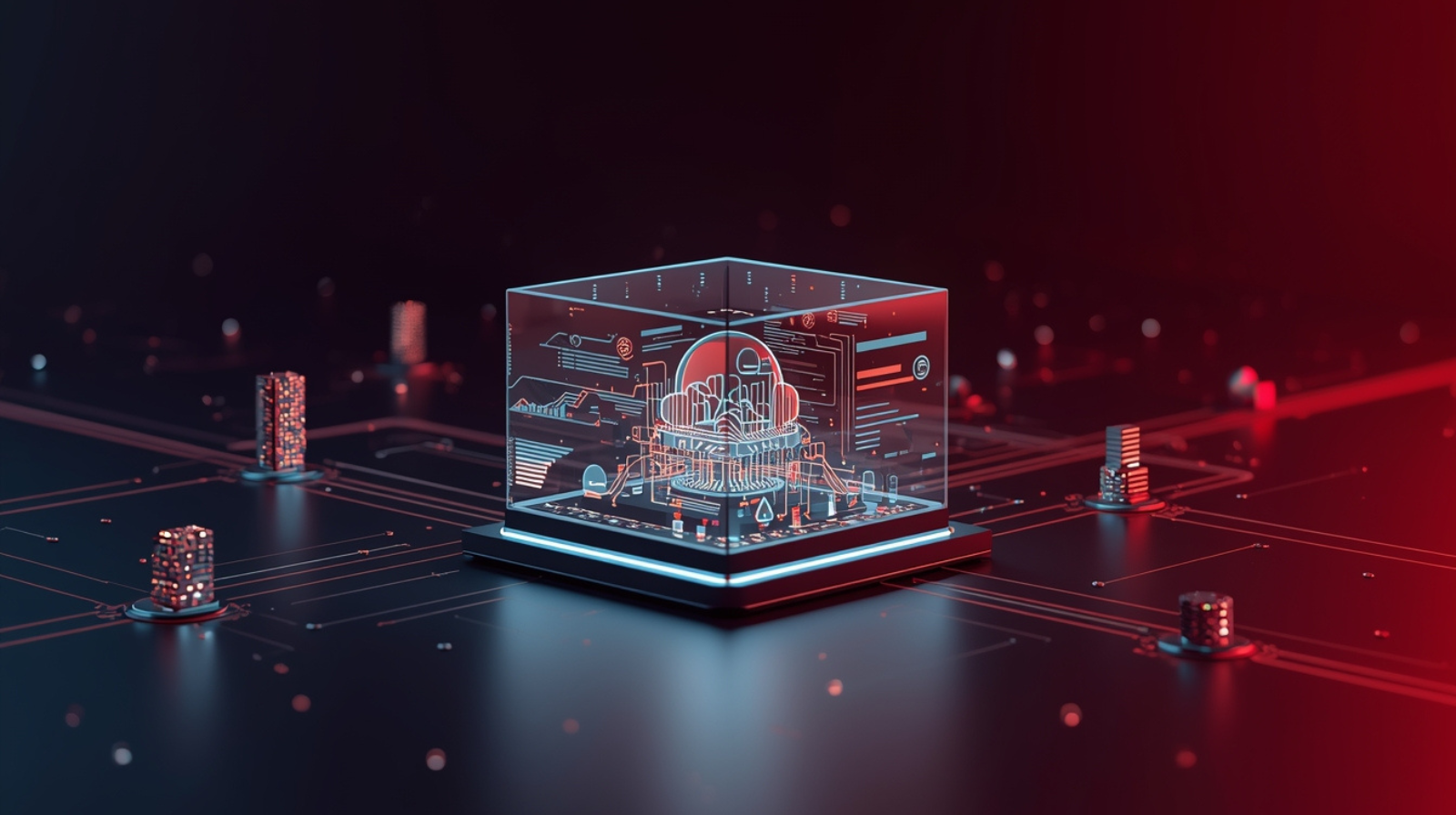
Small businesses today need to operate quickly and efficiently while keeping their overhead costs under control. To achieve this balance, technology plays a crucial role in everyday operations. This is where IT management becomes essential, helping businesses organize, monitor, and optimize their technology systems effectively.
Due to the use of artificial intelligence within information technology, companies can now undertake automatic operations that previously needed manual labor. Moreover, the company can predict any failures that might occur, and make necessary decision-making. In particular, such approach becomes useful for small firms because they normally operate under limited budget constraints. As such, thanks to information technology, companies can compete effectively without having high expenditures.
Using technology to automate information technology work for businesses has made it easier for them to get things done in a simpler way. They can reduce mistakes. Work better overall. Of fixing problems after they happen companies can now see them coming and stop them from happening in the first place. This saves them time and money.
Also tools like AIOps tools are changing the way information technology environments are watched and managed. These tools look at a lot of data in time and help businesses work better and keep their systems running smoothly. Artificial intelligence is used in information technology to make things easier, for businesses. Information technology is very important for small businesses to be competitive.
What is AI-Driven IT Management?
AI-driven IT management is about using intelligence to manage IT operations. It uses machine learning, data analysis and automation to make IT systems smarter. These systems can work on their own with human help.
This approach is changing IT systems. Now businesses do not just fix problems as they happen. Instead they get insights ahead of time and automated fixes.
The key parts of AI-driven IT management are:
- Machine learning to find patterns
- Predictive analysis to prevent problems
- Automated workflows to do tasks
- monitoring systems
Small businesses can use managed IT services to get these advanced features. They do not need to have experts, on staff. This makes AI-driven IT management easy to use and grow with.

Why Do Small Companies Need AI-Based Information Technology Management?
Some of the problems that small companies face include the lack of budget, absence of IT expertise, and cybersecurity concerns. They can be effectively addressed using artificial intelligence-based technology.
- First of all, with the help of AI, one can optimize the costs of information technology because automation can take care of routine tasks.
- Second, efficiency will increase due to smoother operation, lesser downtime, and better performance.
- Thirdly, information security can also benefit from the use of artificial intelligence, as the latter allows for quicker detection of any abnormalities.
- Finally, scaling up the business will become less difficult.
Advantages of AI-Driven IT Management
1. Increased Operational Effectiveness
AI makes processes much simpler because it does the tasking for us. As a result, we don’t have to undertake those tasks, and everything will operate as expected.
- Problems can be resolved quickly
- Mistakes are made
- Both the machines and manpower are utilized in an optimized manner.
2. Reduces Costs and Optimizes Processes
Another important thing about AI-Driven IT management is that it reduces costs greatly. Companies can save huge amounts of money related to IT when they are ensured that all of their processes will run smoothly and there will be no need to perform tasks manually. The use of AI-Driven IT Management allows for this.
| Cost Area | Traditional IT | AI-Driven IT |
|---|---|---|
| Maintenance | High | Low |
| Downtime | Frequent | Minimal |
| Staffing Costs | High | Reduced |
| Efficiency | Moderate | High |
3. Improved Security and Risk Management
AI applications constantly scan networks and detect any potential risks or threats.
- Spot irregularities
- Protect against cyber attacks
- Ensure regulatory compliance
4. Effective Decision-Making
By leveraging data analysis, companies can develop informed strategies.
- Forecast developments
- Evaluate company performance
- Fine-tune approaches
5. Scalability and Versatility
AI solutions scale with your organization, making them perfect for new businesses and SMEs.
Important Technologies for AI-Powered IT Management
AIOps Software
AIOps software makes use of AI algorithms for analysis of IT-related data and subsequent actions to ensure effective response to any problem before it causes harm to the business.
| Feature | Benefit |
|---|---|
| Real-time monitoring | Immediate issue detection |
| Data analytics | Better insights |
| Automation | Reduced manual work |
IT Cloud Management
Cloud solutions allow organizations to perform remote IT management, adding flexibility and scalability to their capabilities.
Automated Solutions
Automated solutions form an important part of the automated IT management process for small businesses.
How AI Saves Businesses from IT Costs
There are several means by which AI helps companies save on IT costs:
- Elimination of repetitive tasks
- Downtime prevention
- Resource optimization
- Human errors prevention
The Role of Automation in IT Management
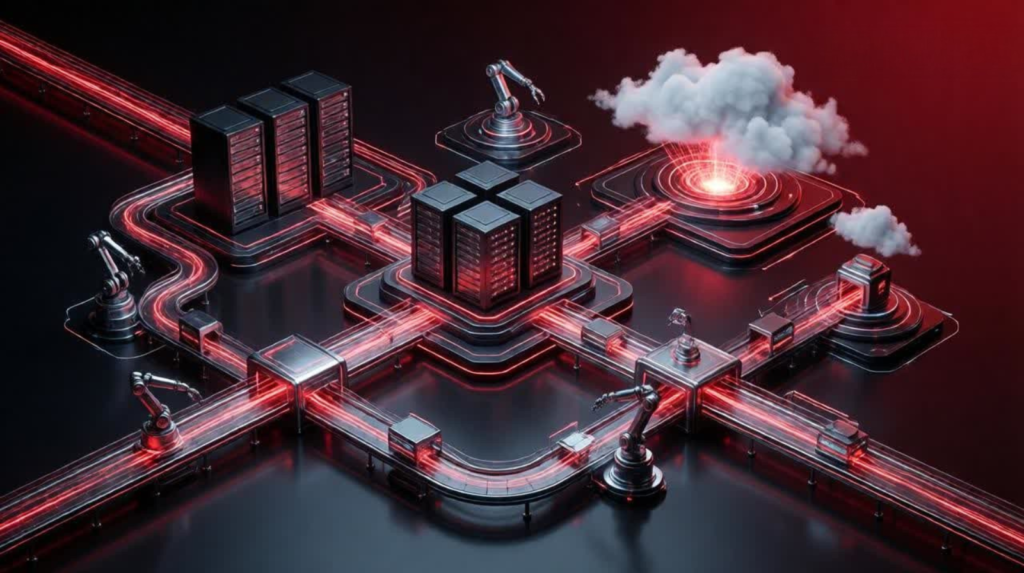
Automation revolutionizes IT management processes within companies, particularly those that strive to become efficient without burdening themselves with additional responsibilities. With the increasing popularity of IT automation for small businesses, companies can now easily avoid repetitive actions and optimize their workflow process. Automation saves people from having to do monotonous jobs. Furthermore, there will be less chance of committing errors as a consequence of being human. Thus, the implementation of IT automation and AI in management will result in improved workflow and enhanced operations.
Benefits of Automation for Small Businesses
- Decrease in Manual Labor: Helps automate repetitive tasks such as updates, backups, monitoring, etc.
- Increased Precision: Human mistakes are avoided, resulting in accurate results.
- Accelerated Process: Makes processes faster and more effective.
- Resource Optimization: Enables teams to perform other tasks.
- Increased Efficiency: Increases productivity.
Importance of Managed IT Services
For small enterprises that may not have sufficient resources at their disposal, managing IT infrastructure is both expensive and complicated. In such scenarios, managed IT services offer a valuable and effective solution. With managed services, organizations can hire specialists that will help them maintain, monitor, and even protect their IT infrastructure, all without the need for regular supervision. Furthermore, managed IT services are beneficial for the integration of AI in IT management. Consequently, businesses are able to optimize their performance and control costs at the same time.
Key Advantages of Managed IT Services
- Round-the-Clock Monitoring & Support: Systems operate perfectly around the clock.
- Cost Efficiencies: No need to employ an IT staff in-house.
- Advanced Protection: Effective safeguarding from all types of threats.
- Access to Specialists & Technology: Highly skilled specialists and cutting-edge technology.
- Scalability: Ability to scale according to business demands.
Cybersecurity in IT Systems Driven by AI
The growing cyber risks have been a major challenge for firms, especially when there is continuous development of threats in this area. AI technology can be used to enhance security systems by enabling proactive measures for detection of cyber threats that may pose dangers. The use of AI in analyzing patterns will assist in identifying suspicious activities before they pose serious risks. The proactive measure will enable firms to maintain continuity of operations since they will not experience data breaches. Small firms will be able to have increased security measures without investing heavily on cybersecurity solutions.
Advantages of Using AI in Cybersecurity
- Detection of Cyber Threats in Real-Time: Detecting and taking action against risks in real-time.
- Security Prediction: Predicting any possible security risk.
- Automation of Security Responses: Faster response time to threats.
- Data Security: Securing sensitive data.
- Regulatory Compliance: Meet regulatory and security standards.
Cloud Integration in IT Management
Key Benefits of Cloud Integration
- Scalability: Cloud integration makes it easy to adjust the resources a business needs.
- Remote Accessibility: People can access systems and data from anywhere at any time with cloud integration.
- Cost Reduction: Cloud integration gets rid of the need, for equipment and the money it takes to maintain it.
- Improved Collaboration: Cloud integration helps teams work together better by giving them platforms.
- High Reliability: Cloud integration makes sure that systems are always working and that downtime is minimal.
Cloud vs Traditional IT Management
| Feature | Traditional IT Management | Cloud-Based IT Management |
|---|---|---|
| Infrastructure | Physical servers required | Virtual and cloud-based systems |
| Cost Structure | High upfront investment | Pay-as-you-go model |
| Scalability | Limited and slow | Highly flexible and instant |
| Maintenance | Manual and time-consuming | Automated and managed |
| Accessibility | On-site access only | Remote access from anywhere |
| Integration with AI | Limited capabilities | Supports AI in IT management |
| Efficiency | Moderate | High with automation and optimization |
Future Trends in IT Management
The future of IT management will be driven by constant innovations that will continue to occur at an accelerated rate and increased dependency on digital systems. Innovations in AI for IT management are making it possible for companies to benefit from smarter decision-making processes. In addition, businesses are increasingly becoming more automated and relying on advanced analytics. The future of IT management will also see many small businesses using such innovations as automation and better security systems to compete in their respective markets. IT management is poised to become more proactive and cost-effective.
Trends in IT Management to Be Expected
- Increasing Automation: IT management processes will involve less human intervention.
- Improved Analytics: Insights that help make better decisions.
- AI-Powered Operations: Operations managed by smart technologies.
- Remote IT Management: Demand for cloud-based IT management is likely to grow.
- Higher Security Standards: Increased need for more robust security protocols.
Challenges in AI-Driven IT Management
- High Costs During Initial Deployment: The implementation of AI technology can demand high costs.
- Absence of Expert Personnel: Finding qualified AI and IT professionals can be an issue for small companies.
- Potential Data Protection Issues: Dealing with private data through AI can pose some security threats.
- Difficulties Associated with Integration: Incorporating AI technology into the IT management framework can be a challenge.
- Technology Dependency: Too much dependence on technology can lead to potential hazards.
- Maintenance Issues: Constant maintenance and updates are necessary for AI systems.
Best Practices for Implementing AI-Driven IT Management
To get the most out of AI-driven IT management you should start with objectives. What do you want to achieve with AI in your IT management?
Here are some key steps to follow:
- Choose the tools for your needs. There are AI tools out there so pick the ones that fit your goals.
- Invest in training for your team. AI requires a set of skills so make sure your team is ready.
- Monitor performance regularly. Keep an eye on how your AI systemsre doing and make adjustments as needed.
- Continuously optimize systems. AI is not a one-time thing it needs to be tuned all the time to get better results, with AI-driven IT management.
You should always optimize your systems with AI.
Conclusion
IT management using AI technology is no longer a novelty. Rather, it is gradually becoming a reality, especially for small businesses interested in staying ahead of their competitors. Traditional IT management solutions are associated with multiple disadvantages including time-consuming processes, high costs, and increased likelihood of mistakes. On the other hand, implementing innovative approaches allows for building proactive frameworks.
First of all, such frameworks allow for decreasing overheads while enhancing productivity levels. Using AI technology for managing information technologies leads to identifying inefficiencies and allocating resources correctly, which results in avoiding unexpected downtime. The use of artificial intelligence in IT management ensures cost-effective and stable operations.
In addition, AIOps tools and managed IT services provide an opportunity to level up the playing field by offering access to innovative solutions regardless of a company’s size.
FAQS
1. What is AI-based IT management?
AI-based IT management applies artificial intelligence to streamline and optimize IT functions. The technology enables enterprises to conduct IT management with less manual intervention.
2. How does AI enable lower costs in IT operations?
AI lowers costs in IT by automating recurring activities, reducing downtime, and enhancing the efficient use of IT resources. Cost optimization in IT is enhanced through the process.
3. Does AI-based IT management benefit small businesses?
It is extremely advantageous for small businesses. There exist specialized tools such as IT automation for small business and managed IT services for small companies.
4. What are AIOps tools?
AIOps tools leverage artificial intelligence and data analysis to monitor IT systems and automate problem-solving procedures. The tools optimize the performance of IT operations and prevent system failures.
5. Do I require a technical staff for AI in IT management?
One may not necessarily require an IT team for the deployment and management of artificial intelligence in IT operations.
6. What are the primary advantages of AI in IT management?
The primary advantages include efficiency, cost savings, enhanced security, quicker decisions, and scalability.
7. What are the potential threats when implementing AI in IT management?
Although there are many advantages associated with AI, potential threats such as data privacy issues, difficulty integrating AI systems, and setup costs need to be taken into consideration.