

Cloud computing has transformed the way organization build, manage and scale digital operations. From startups to international corporations, organizations now depend upon cloud computing to enhance agility, reduce costs and accelerate innovation
In 2025, it is not simply an IT choice it is a commercial enterprise necessity. Businesses that fail to adopt cloud-based infrastructure risk falling behind their competition, who can go with the flow faster, analyze information better and serve customers with brought efficiency.
What Is Cloud Computing?
Cloud computing is the transport of computing resources along with servers, storage, databases, networking, software, and analytics over the internet as opposed to nearby hardware. Businesses access those resources on demand and pay most effective for what they use.
Rather than investing in physical data centers and maintenance, companies depend on cloud service companies to control infrastructure, protection, and availability. This version allows quicker innovation and extra efficient useful resource management.
At its center, cloud computing lets in businesses to focus on growth rather than infrastructure.
How does cloud technology work?
Cloud services work through a network of distributed data centers operated with the aid of cloud providers. These information facilities host applications and information on virtualized systems that customers can access through a steady Internet connection.
- Major components of cloud computing encompass:
- Virtual machines and containers
- cloud storage system
- Application Programming Interface(API)
- Centralized management dashboard
This structure guarantees excessive availability, scalability and performance at the same time as minimizing downtime and operational complexity.
Types of cloud technology
public cloud
Public cloud environments are shared between several groups. They are value-effective, scalable and ideal for organizations that want flexibility with out heavy infrastructure funding.
Non-public cloud
Private cloud environments are devoted to a single company. They offer excessive management, customization and protection, making them suitable for regulated industries.
Hybrid cloud
Hybrid cloud combines public and private cloud environments. Enterprises use hybrid cloud computing to stabilize overall performance, protection and compliance requirements.
Multi-cloud
Multi-cloud strategies involve the usage of numerous cloud groups. This era reduces dealer lock-in and improves flexibility and workload distribution.
Cloud computing carrier model
Infrastructure as a Service (IaaS)
IaaS gives virtualized computing assets, which includes servers, storage, and networking. Businesses keep manage over programs while warding off bodily hardware charges.
Platform as a Service (PaaS)
PaaS gives development environments that permit businesses to construct, check, and installation programs without managing the infrastructure.
Software as a Service (SaaS)
SaaS affords you with software program applications over the Internet, disposing of set up and protection requirements for users.
Each service model supports specific business requirements and manipulation degrees.
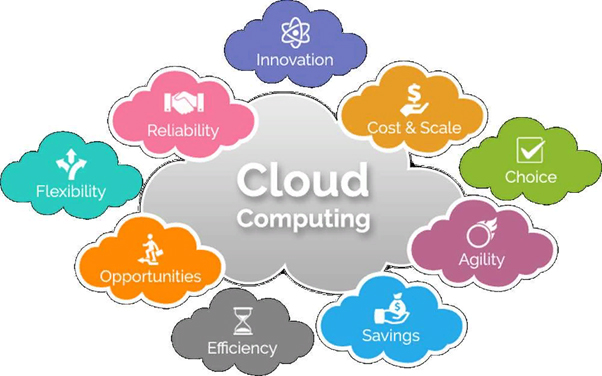
7 principal advantages of cloud computing
Cost effectiveness
Cloud computing removes upfront hardware investments and reduces ongoing maintenance fees. Businesses best pay for the resources they use, enhancing price range manipulate.
Scalability and versatility
Organizations can scale assets up or down based on call for. This flexibility is crucial throughout busy intervals of traffic or fast business growth.
Better enterprise agility
cloud technology enables fast deployment of applications and services, and facilitates corporations reply quickly to changes within the marketplace.
Remote get entry to
Employees can get right of entry to cloud-based systems from anywhere, supporting remote and hybrid work environments.
Advanced data security
Leading cloud vendors make investments closely in safety technologies, which includes encryption, get entry to controls and non-stop monitoring.
Business Continuity and Disaster Recovery
cloud technology guarantees facts backup, redundancy and speedy restoration in case of device failure or cyber incidents.
Faster innovation
By casting off infrastructure constraints, cloud computing allows groups to awareness on innovation, experimentation and digital transformation.
Cloud Computing Use Cases
cloud technology for Businesses
Companies use cloud computing to control employer applications, client dating management (CRM) systems, and economic structures.
cloud services in Healthcare
Healthcare organizations rely on cloud computing for secure patient information storage, telemedicine structures, and analytics.
Cloud Computing in Finance
Banks and financial establishments use cloud computing to procedure transactions, detect fraud, and follow regulatory necessities.
Cloud Computing in E-commerce
eCommerce structures use cloud infrastructure to address traffic spikes, manipulate inventories, and deliver customized buying reports.
cloud services for Artificial Intelligence
AI and device learning packages depend on cloud services for excessive-overall performance processing and scalable information storage.
cloud-based infrastructure vs Traditional IT Infrastructure
Traditional IT infrastructure requires physical servers, long setup instances, and high renovation costs. Scaling frequently includes purchasing new hardware, which may be slow and steeply-priced.
cloud-based infrastructure, in comparison, offers:
- On-demand resource availability
- Lower upfront costs
- Faster deployment
- Better scalability
This shift explains why cloud-based infrastructure adoption maintains to accelerate globally.
Security in Cloud Computing
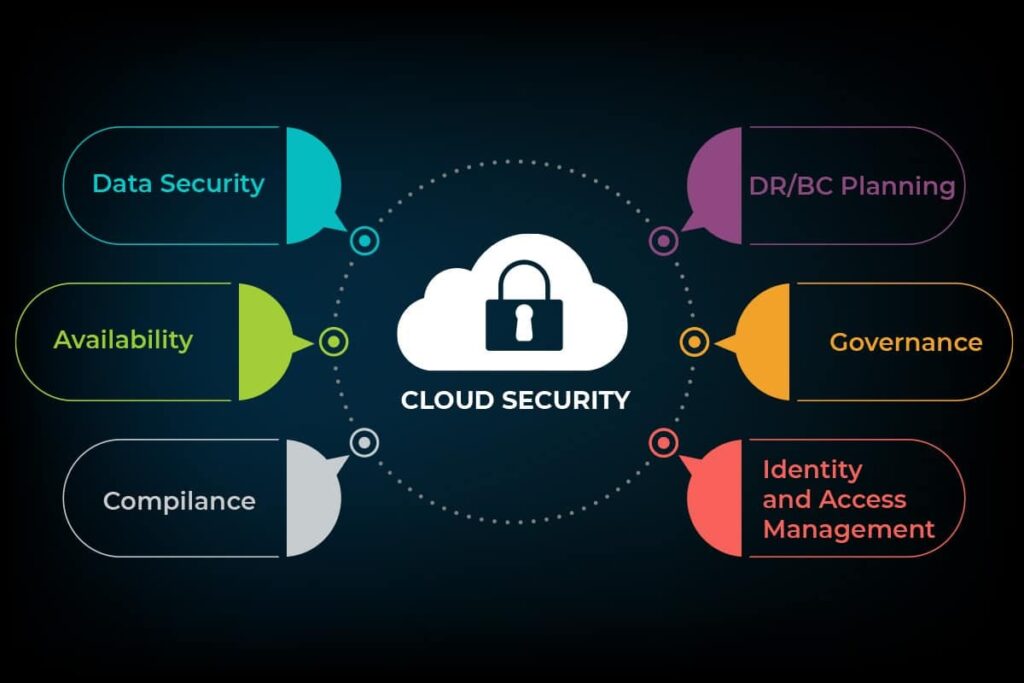
Security remains a top precedence in cloud computing. Modern cloud environments use advanced security features including:
- Data encryption
- Identity and get admission to management
- Continuous risk monitoring
- Compliance certifications
While cloud services is robust, companies should additionally observe great practices, which includes strong get entry to guidelines and normal audits.
Future developments in cloud technology
The destiny of cloud computing will be pushed by way of:
- Gain expertise about artificial intelligence and gadget integration
- Adoption of edge computing
- Industry-unique cloud answers
- Increased recognition of sustainability
As era evolves, cloud technology will continue to be the inspiration of digital innovation.
Final Thoughts
cloud technology has reshaped the digital landscape by using allowing companies to function quicker, smarter, and more successfully. With benefits starting from value savings to improved safety and scalability, cloud technology is vital for organizations trying to reach 2025 and past.
Whether you’re a startup or an company, adopting cloud computing is no longer non-compulsory it is a strategic investment in long-time period increase.